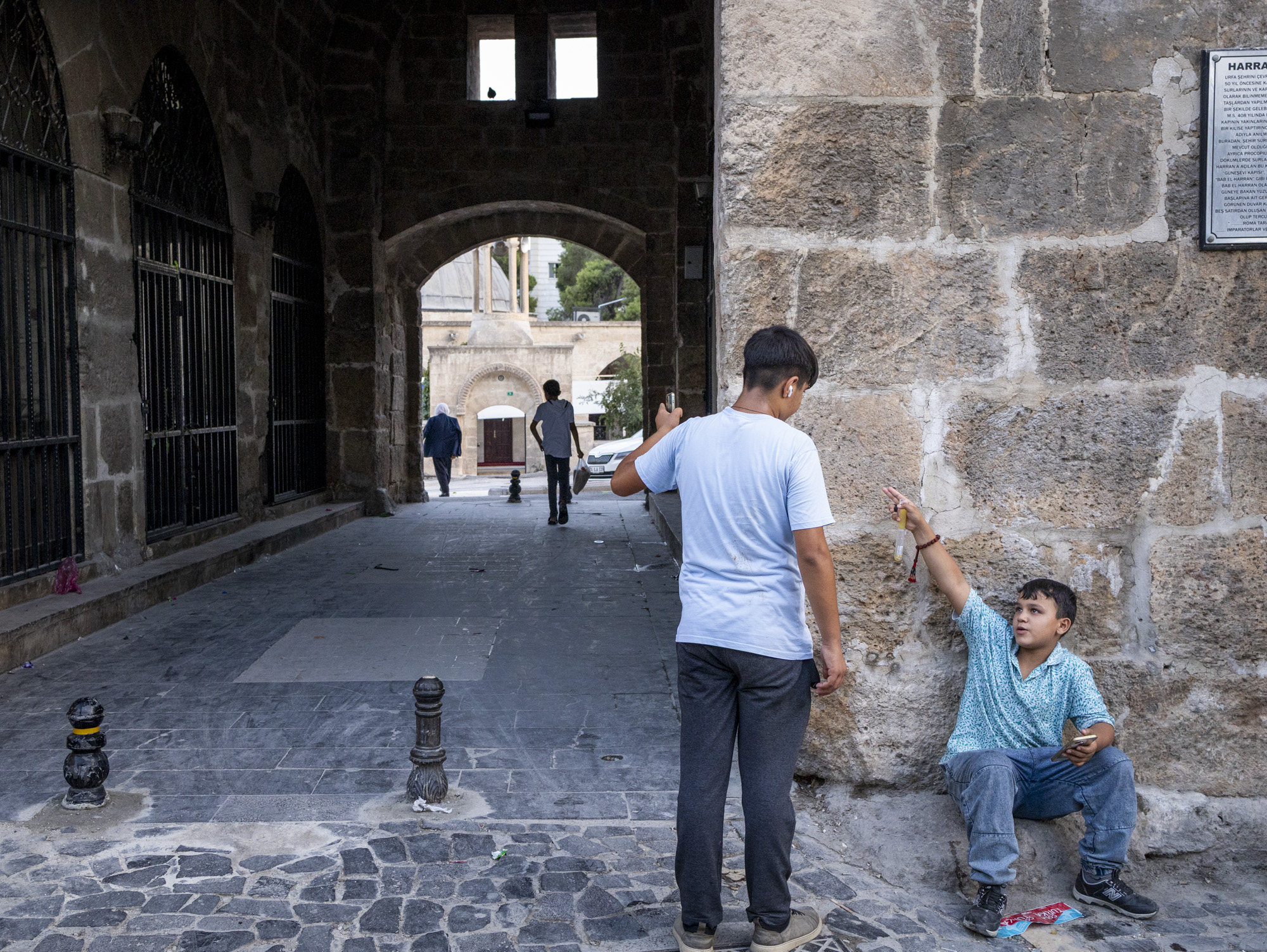
Invisible Stories are short narratives that, starting from real photographs, invent the private lives of the characters, setting them in authentic historical and social contexts.
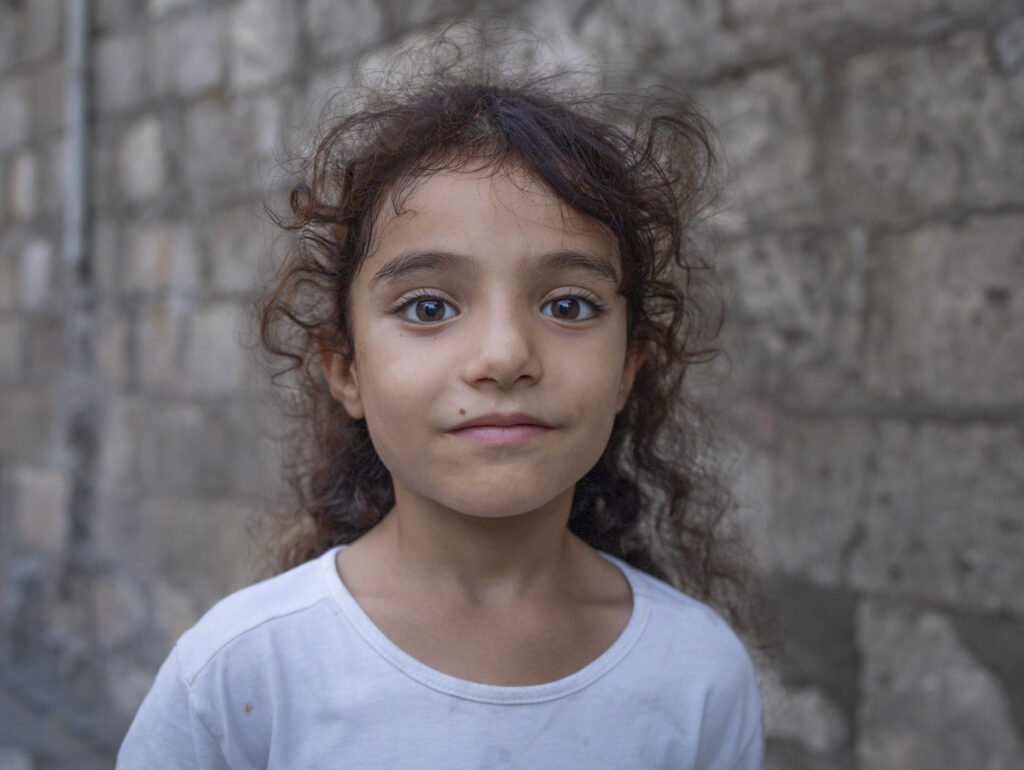
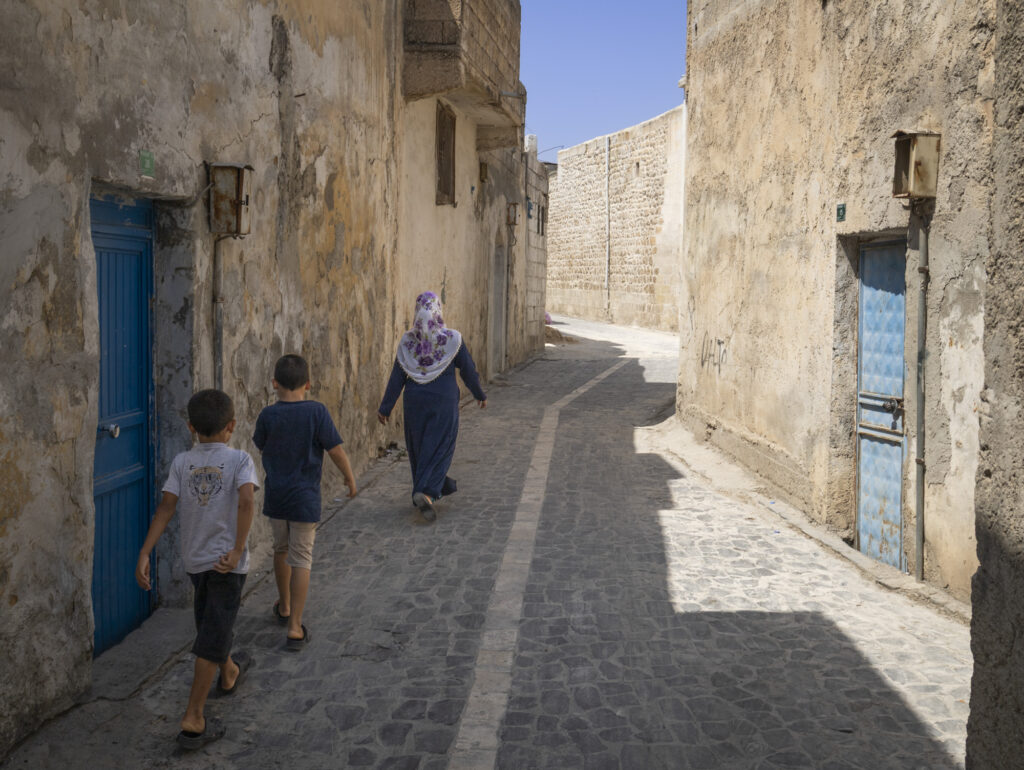
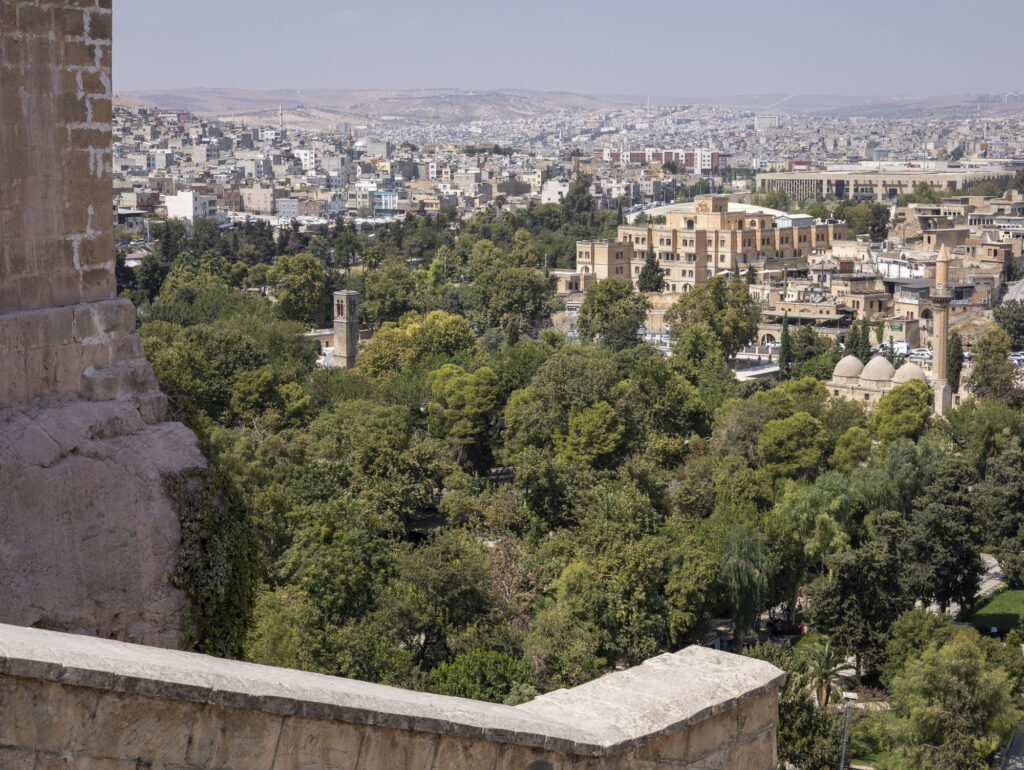
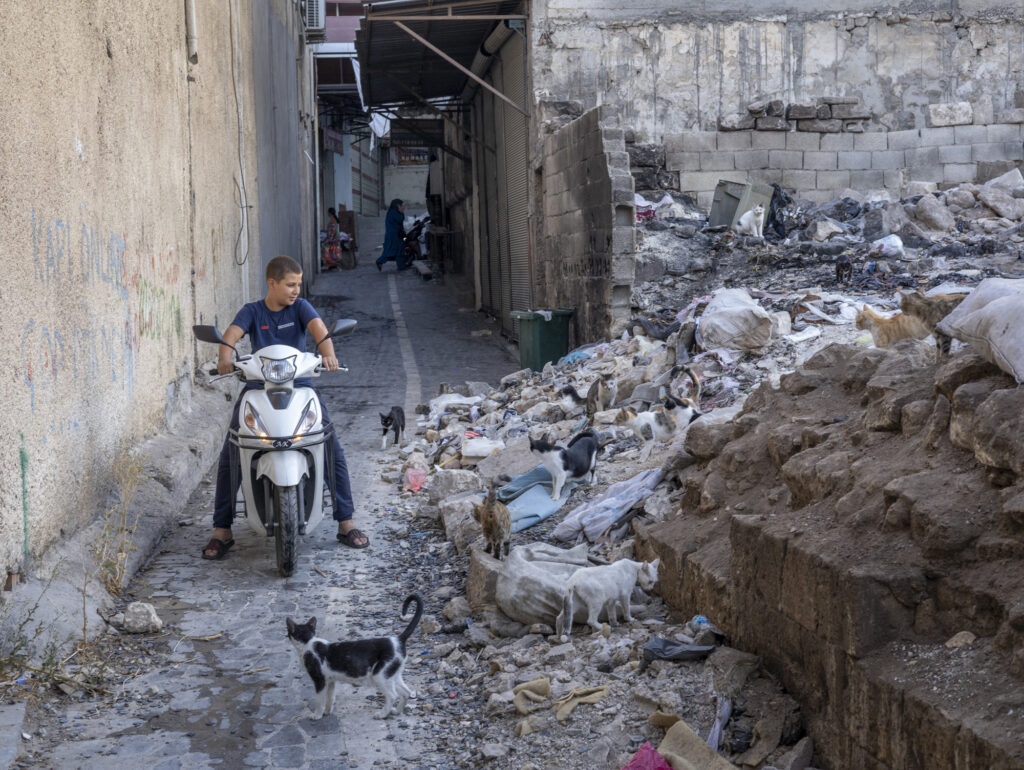
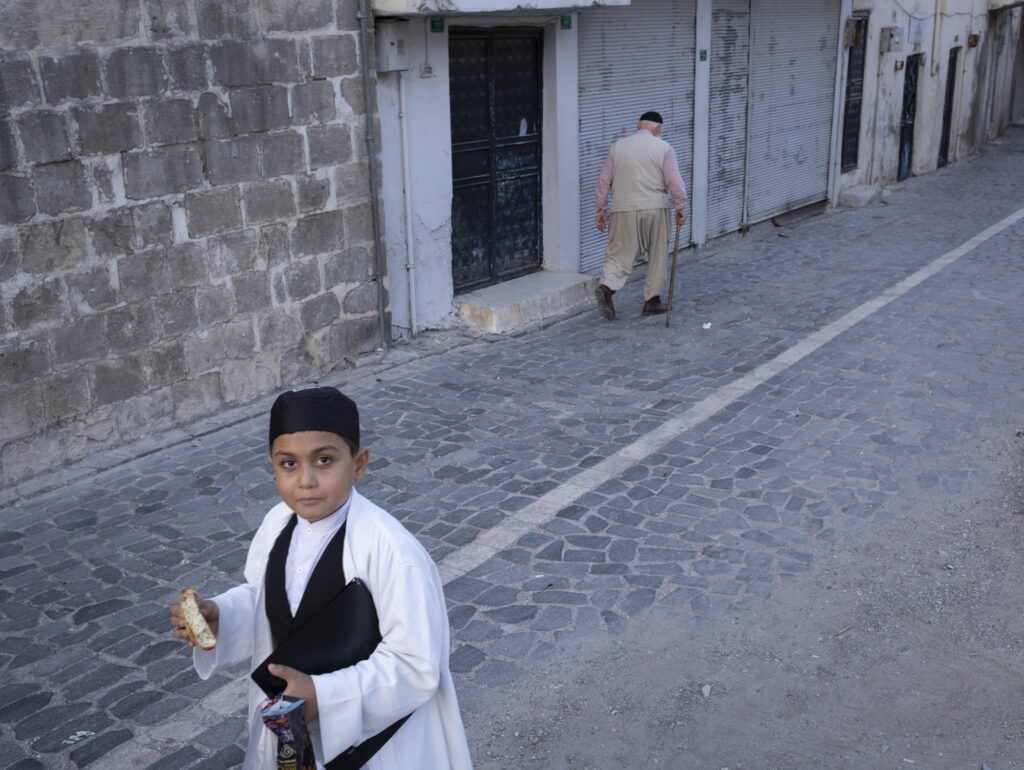
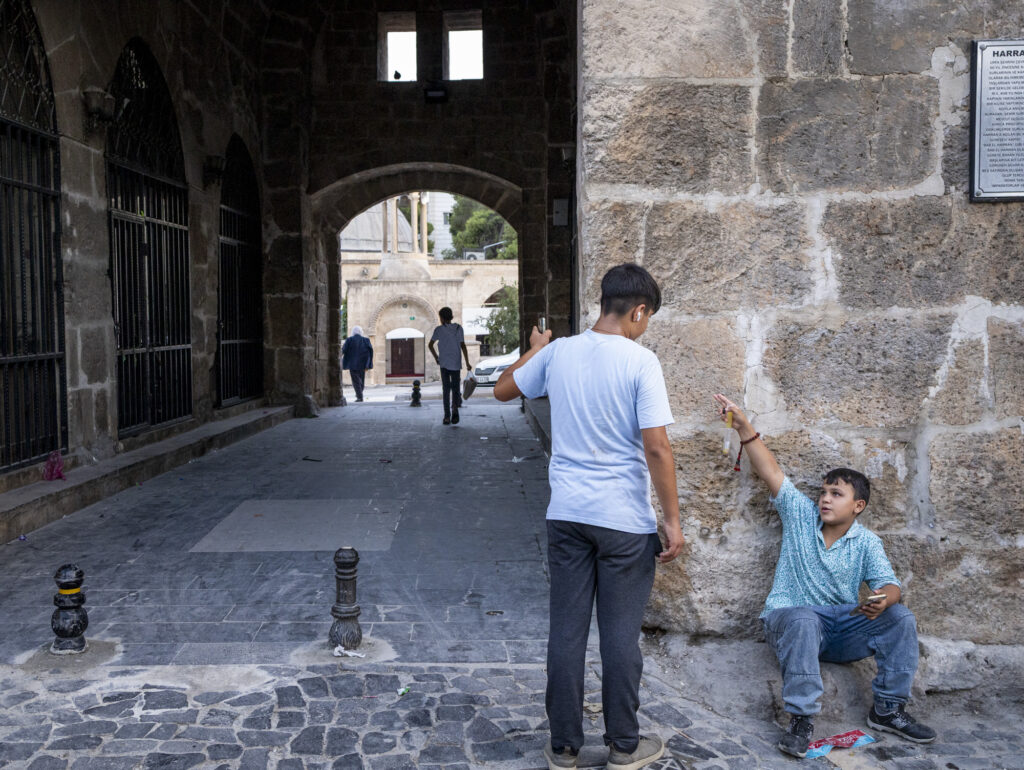
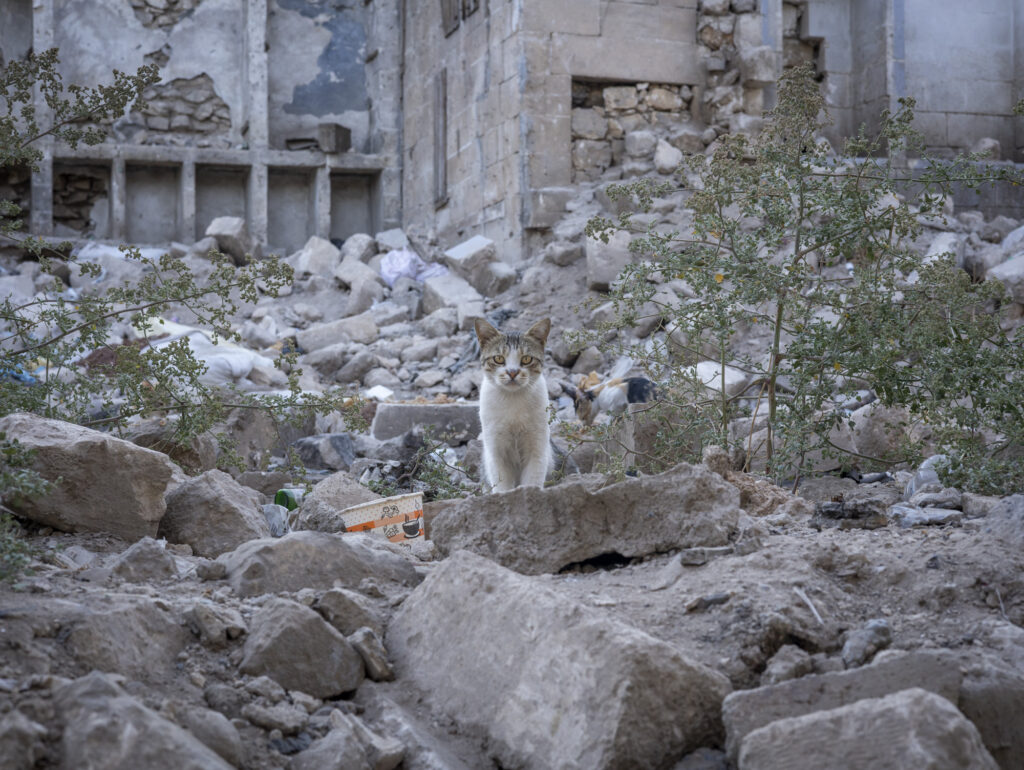
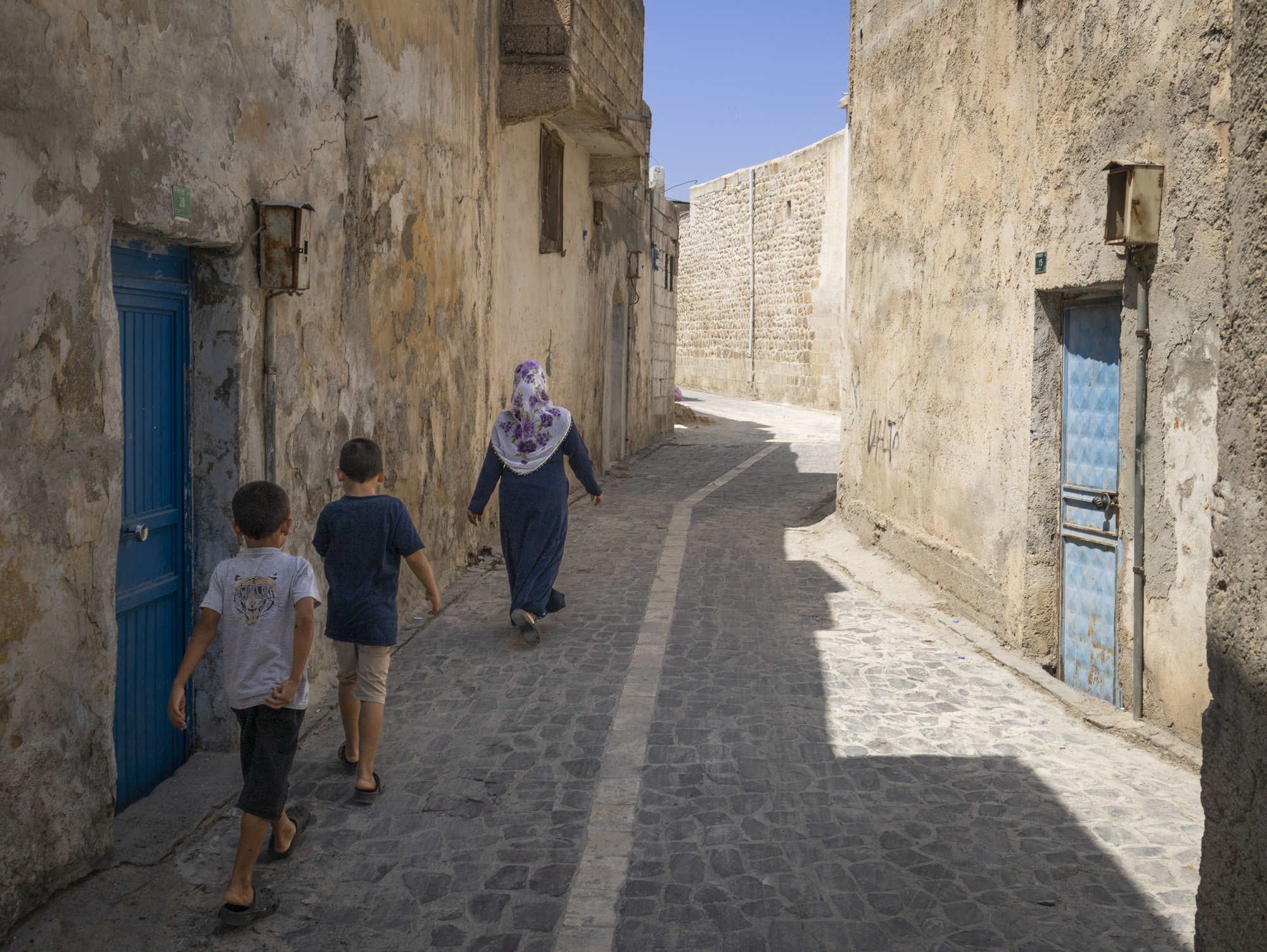
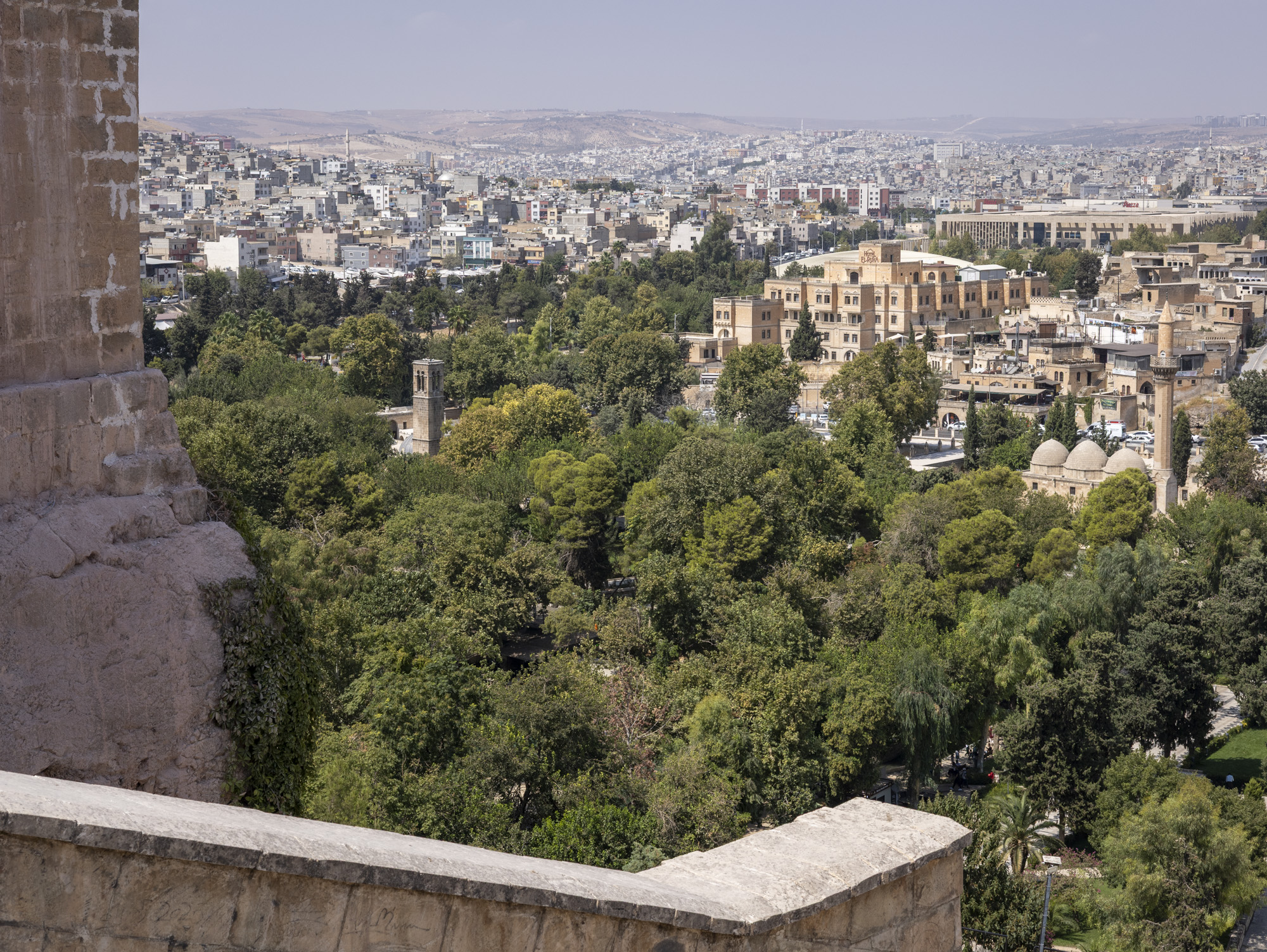
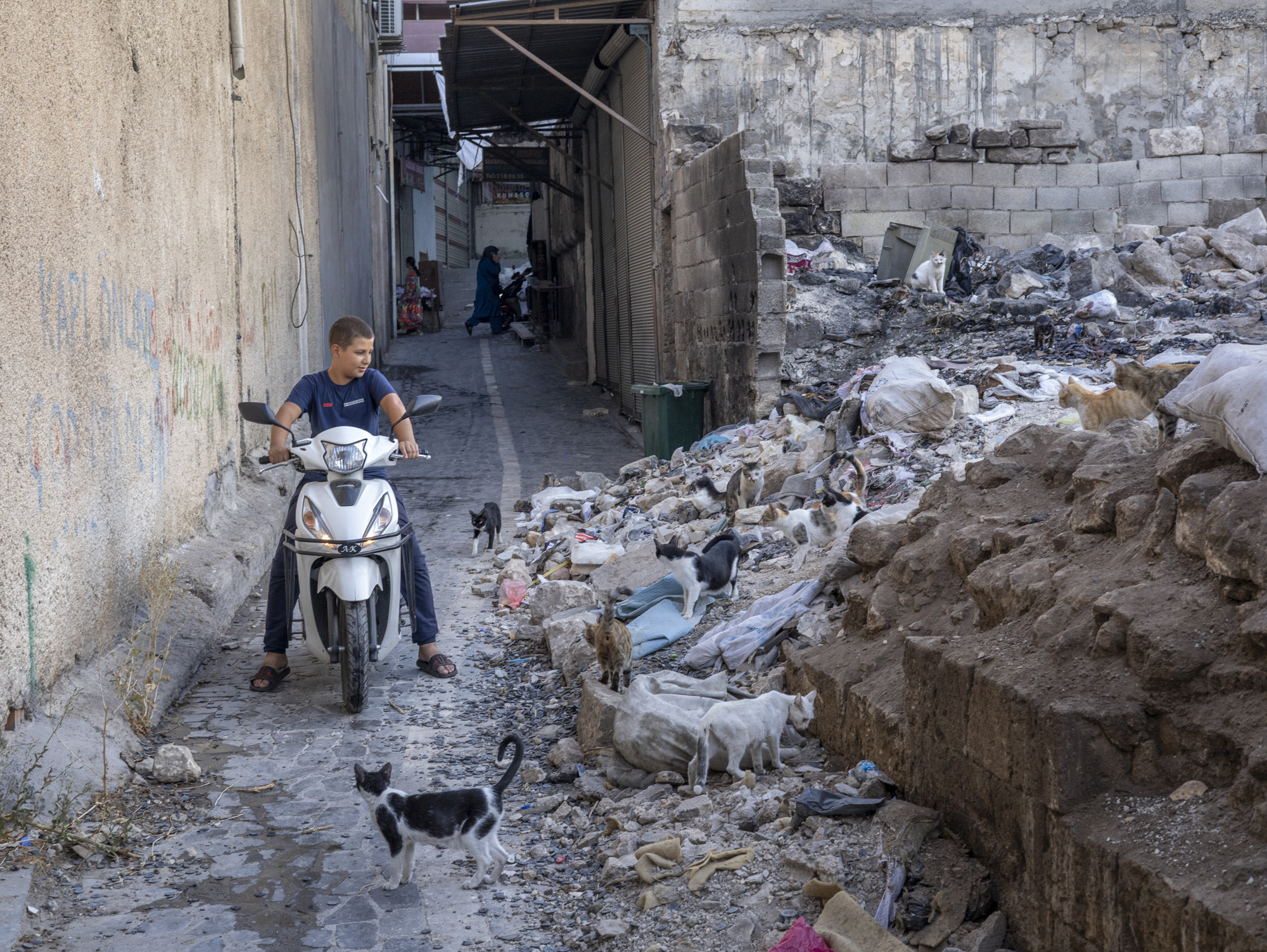
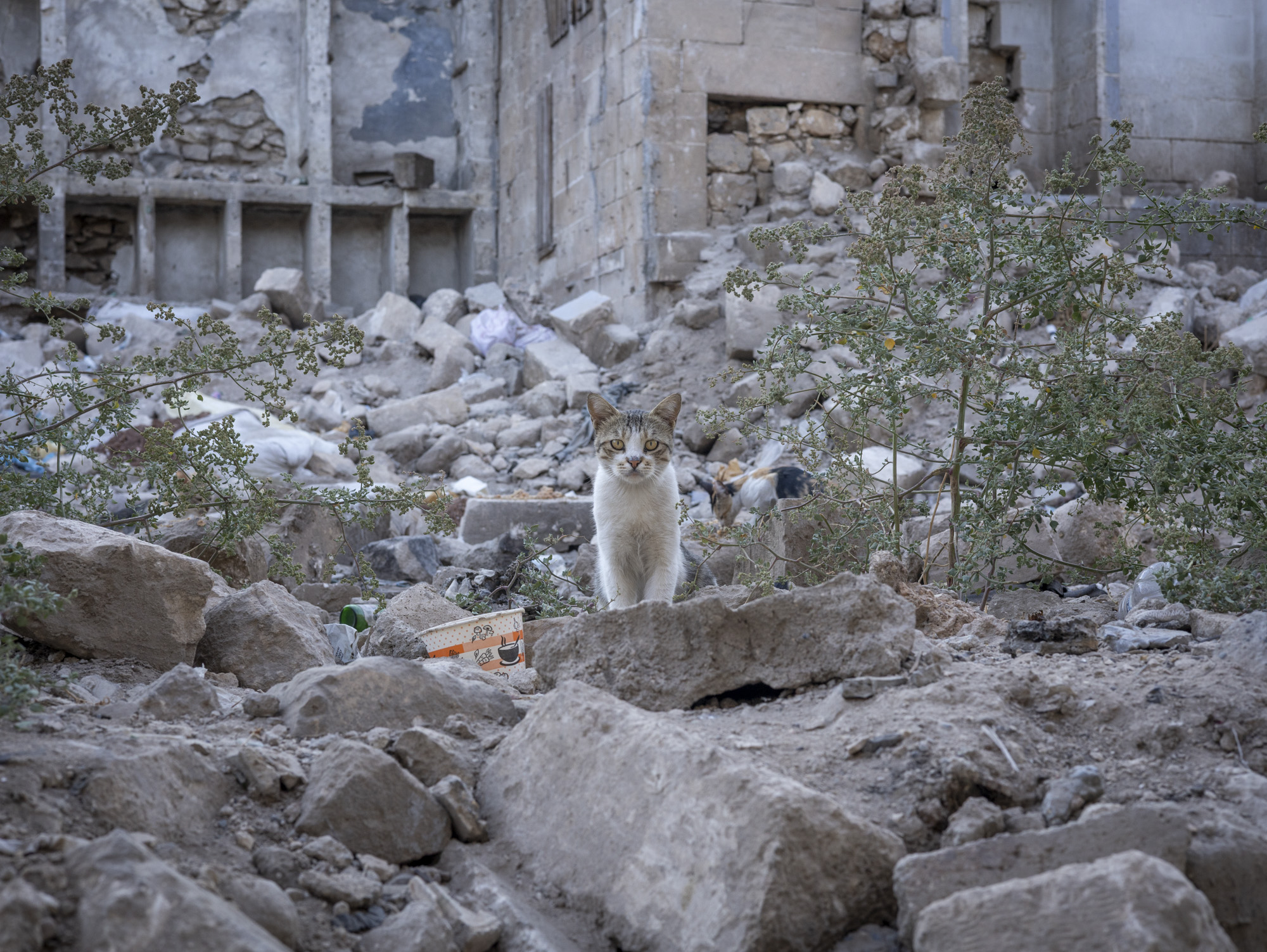
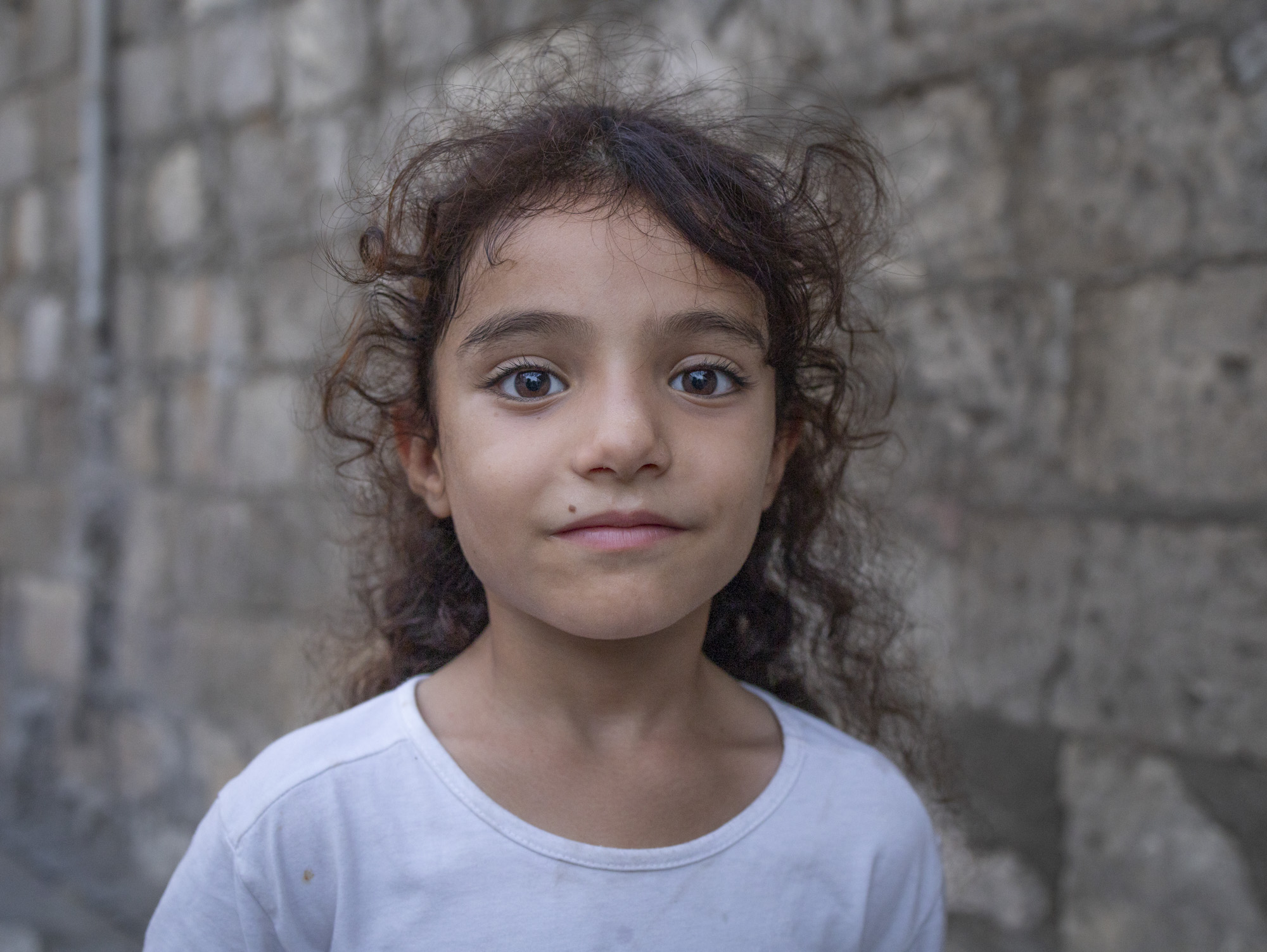
Elif is ten years old and has black curls that never quite obey. Her dark eyes absorb Şanlıurfa like sponges in Abraham’s Well. They breathe in her city, a mosaic of peoples and pains that moves through alleys where the stone walls are scratched with scratches that whisper stories of prophets, interrupted by piles of gray rubble. They meet the new rulers, stealthy cats, indifferent guardians of the kingdom bequeathed by the earthquake.
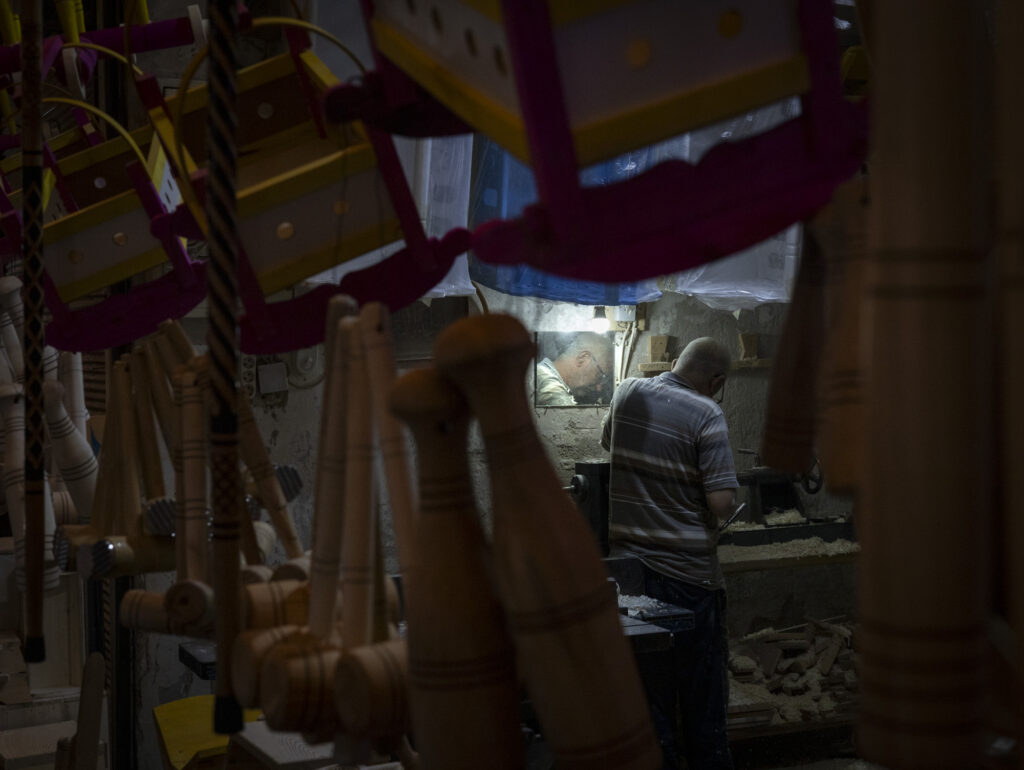
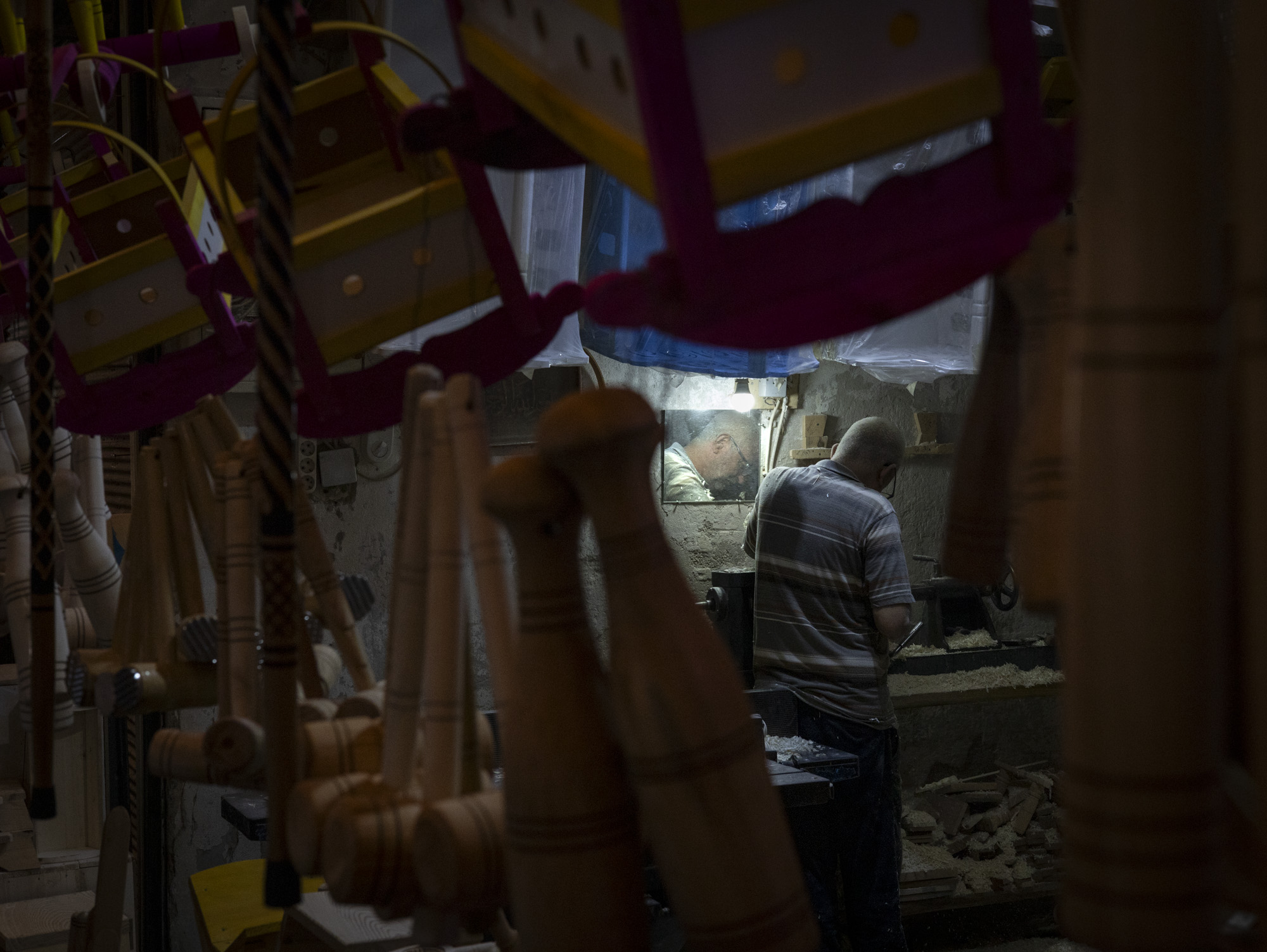
Her refuge is the workshop of Mustafa, a Turkish carpenter with calloused hands and spirit. The smell of cedar and dust fills the air.
“Baba Mustafa, show me how you make it smooth?”
Mustafa smiles. “Sanding, little Elif, requires patience. You can’t force it.” His fingers caress a piece of walnut, revealing a grain. “We Turks and you Kurds… we are different parts of the same tree.” Then the smile fades. “But there are those who only see wood to burn.”
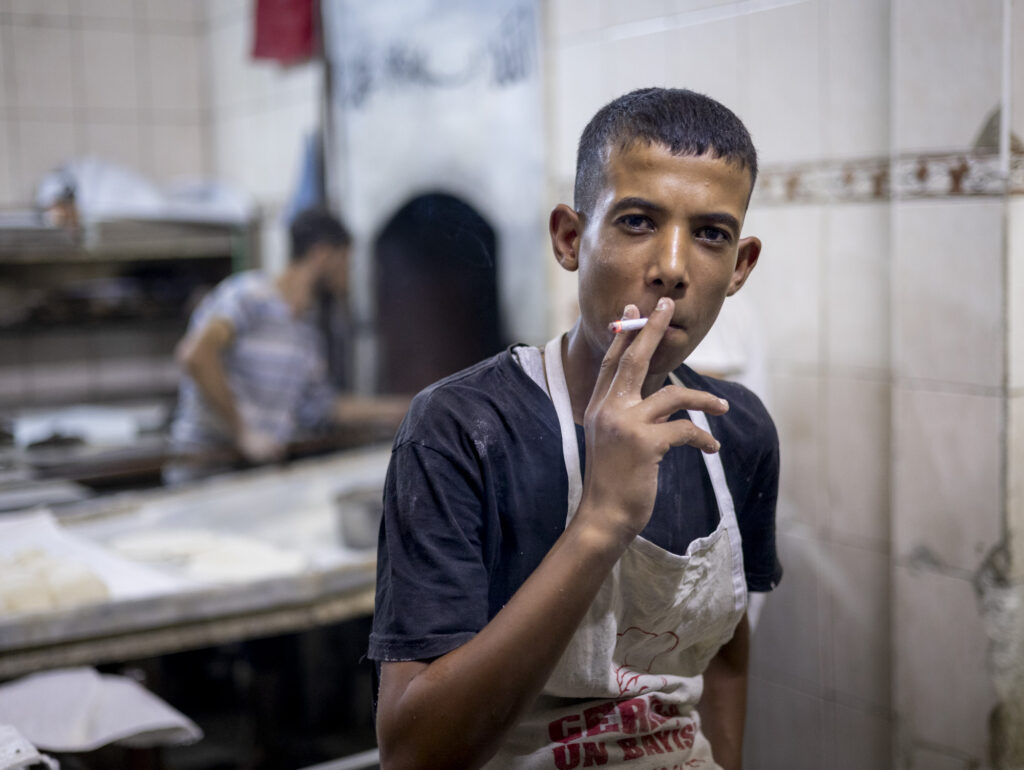
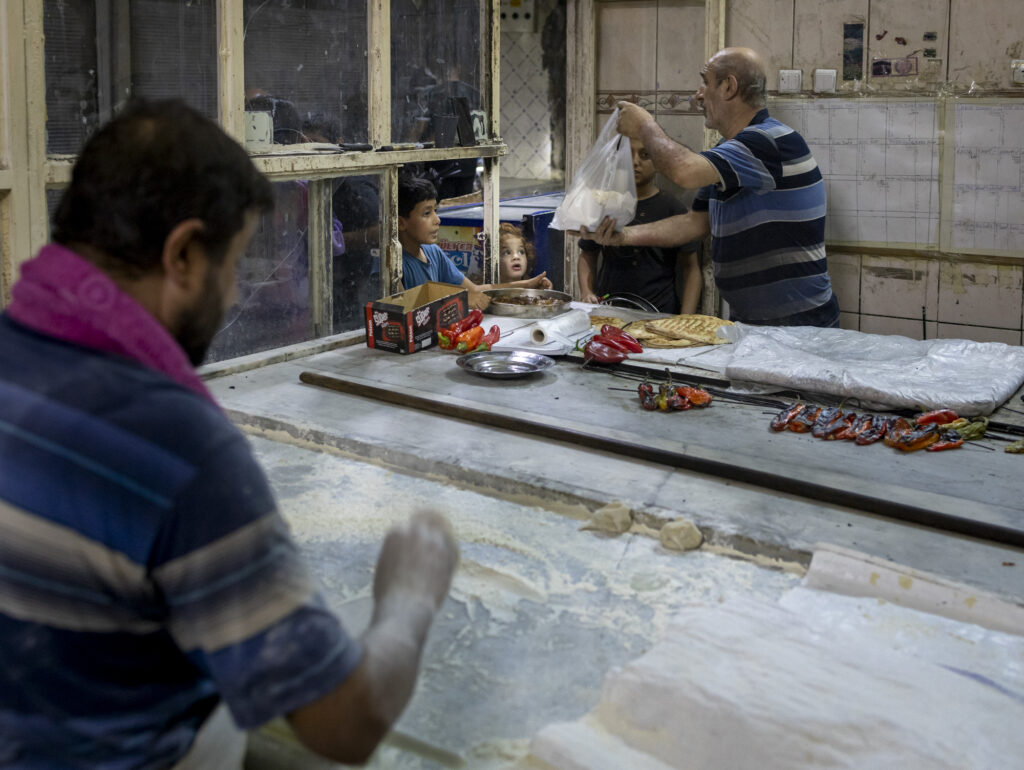
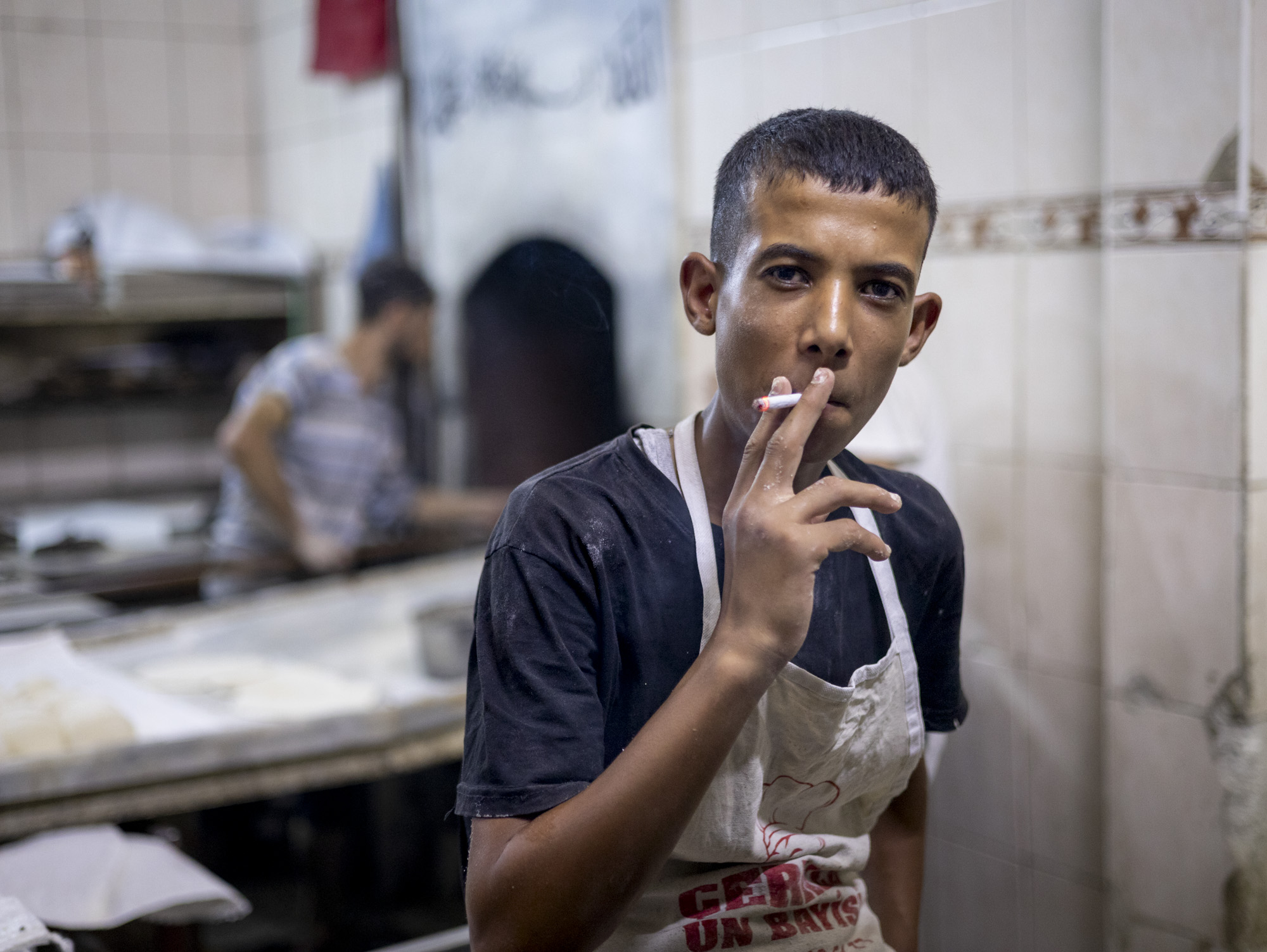
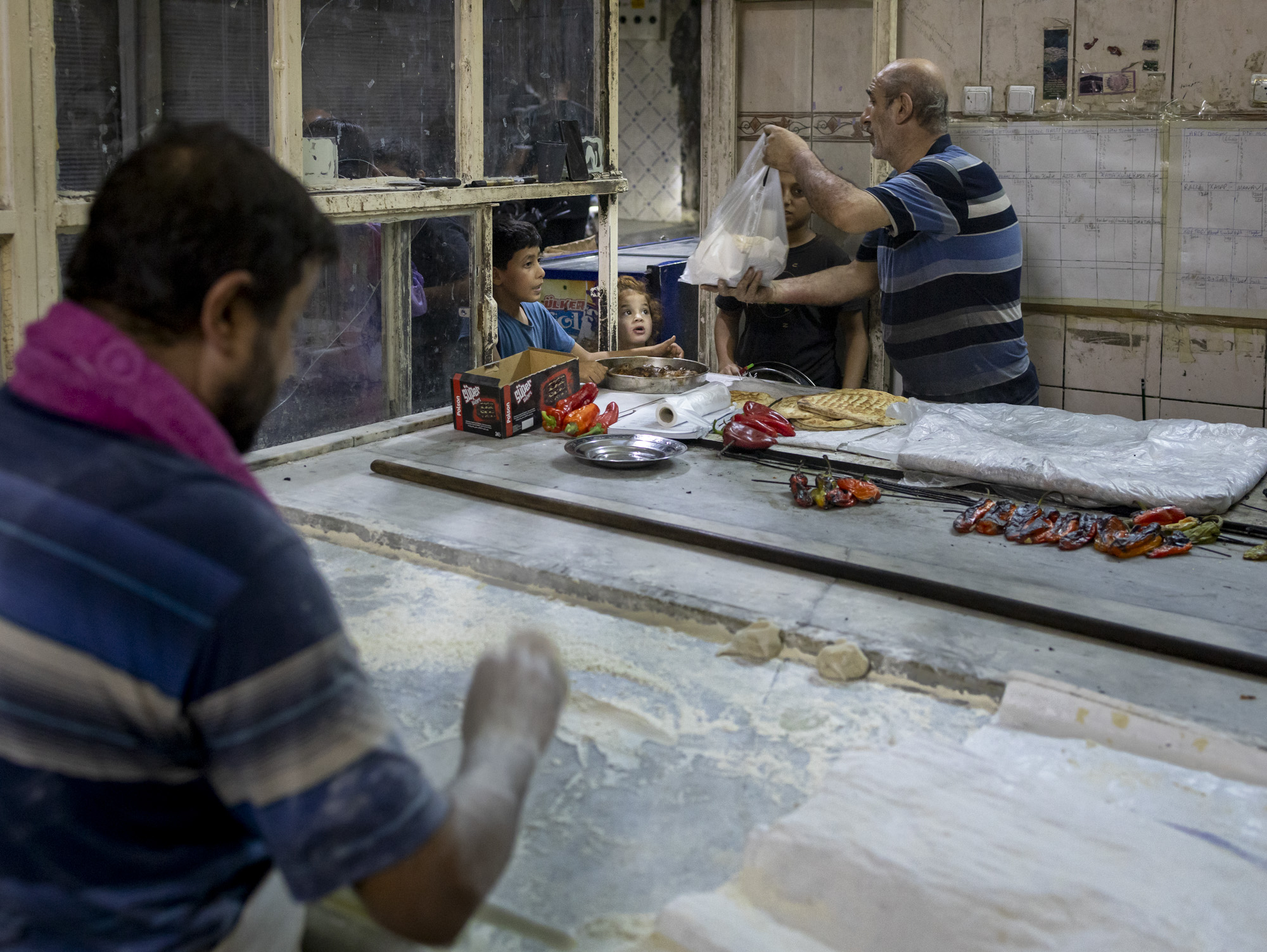
His other anchor is the bakery on the corner, where Amet, who fled Kobane as a child, works. The owners took him in, giving him a name and a job, even though his heart remains across the border, in Syria.
“Elif! Be careful, it’s hot!” he warns her, in a broken Turkish that smacks of Arabic and Kurdish.
“Amet, what was Kobane like?”
His fingers freeze. A roar of a plane makes them both jump.
“It was full of courtyards,” he says finally. “Every house had its own, with the smell of wet earth in the morning. Then… came the noise. Things that explode don’t go ‘boom’ like in the movies, Elif. They tear the world away. They tear away the courtyards, the houses, the people.” His silence tells the rest.
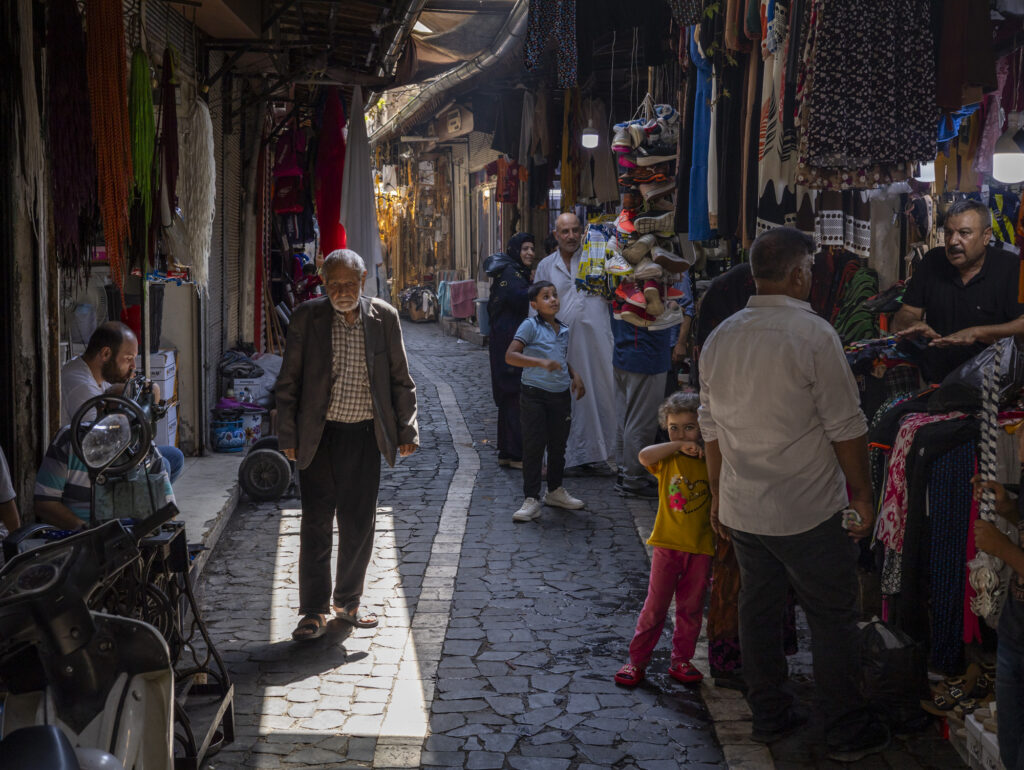
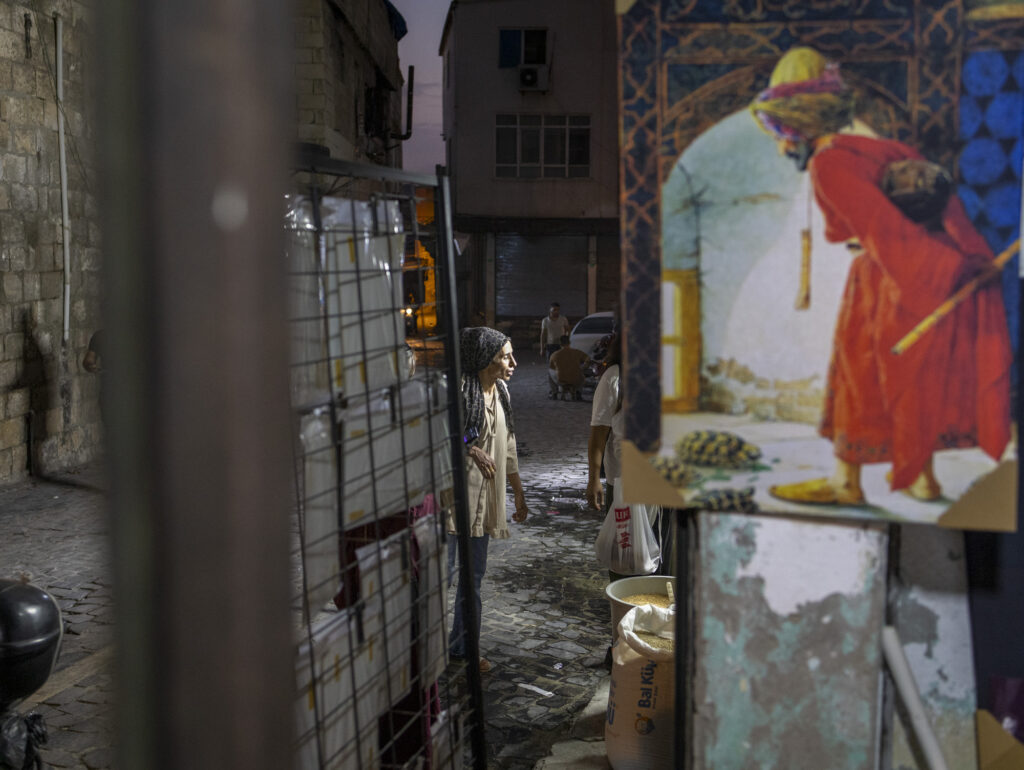
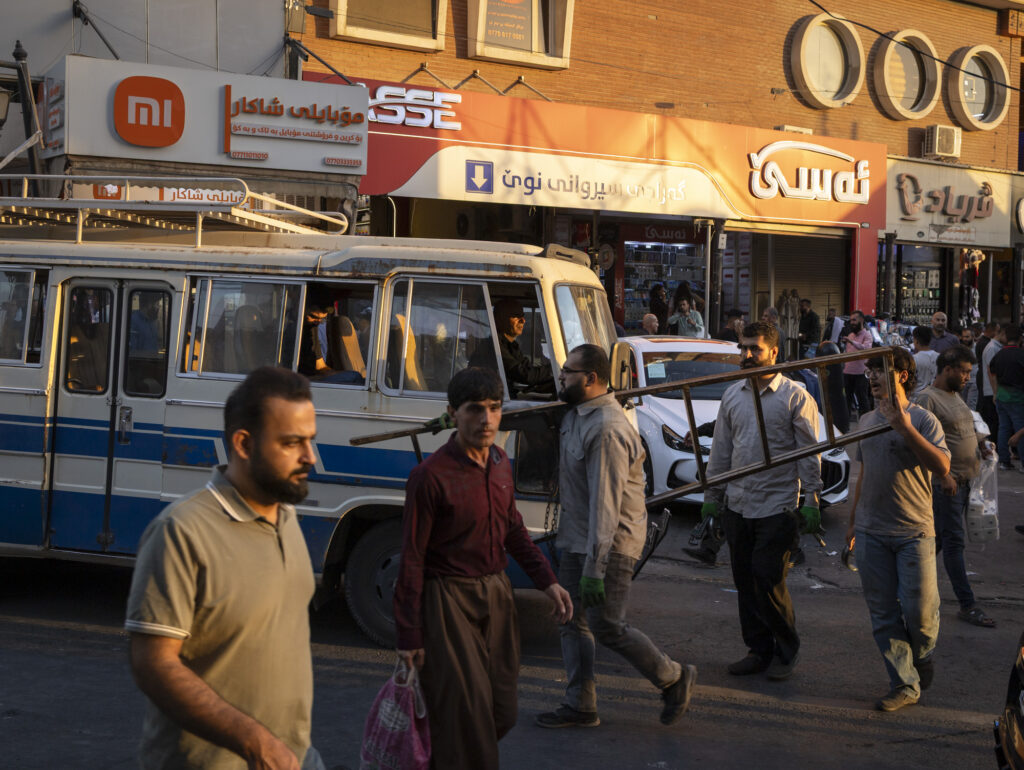
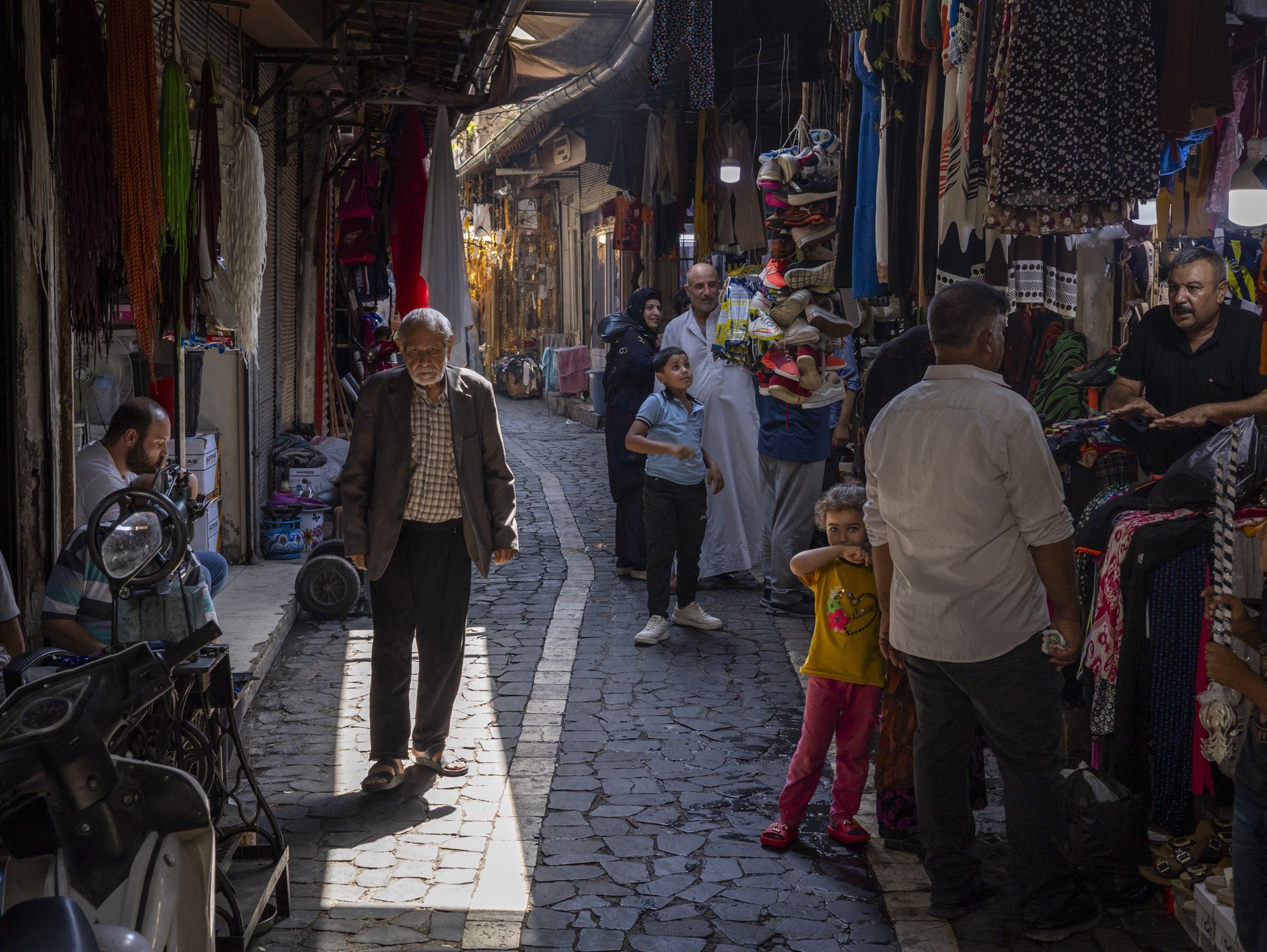
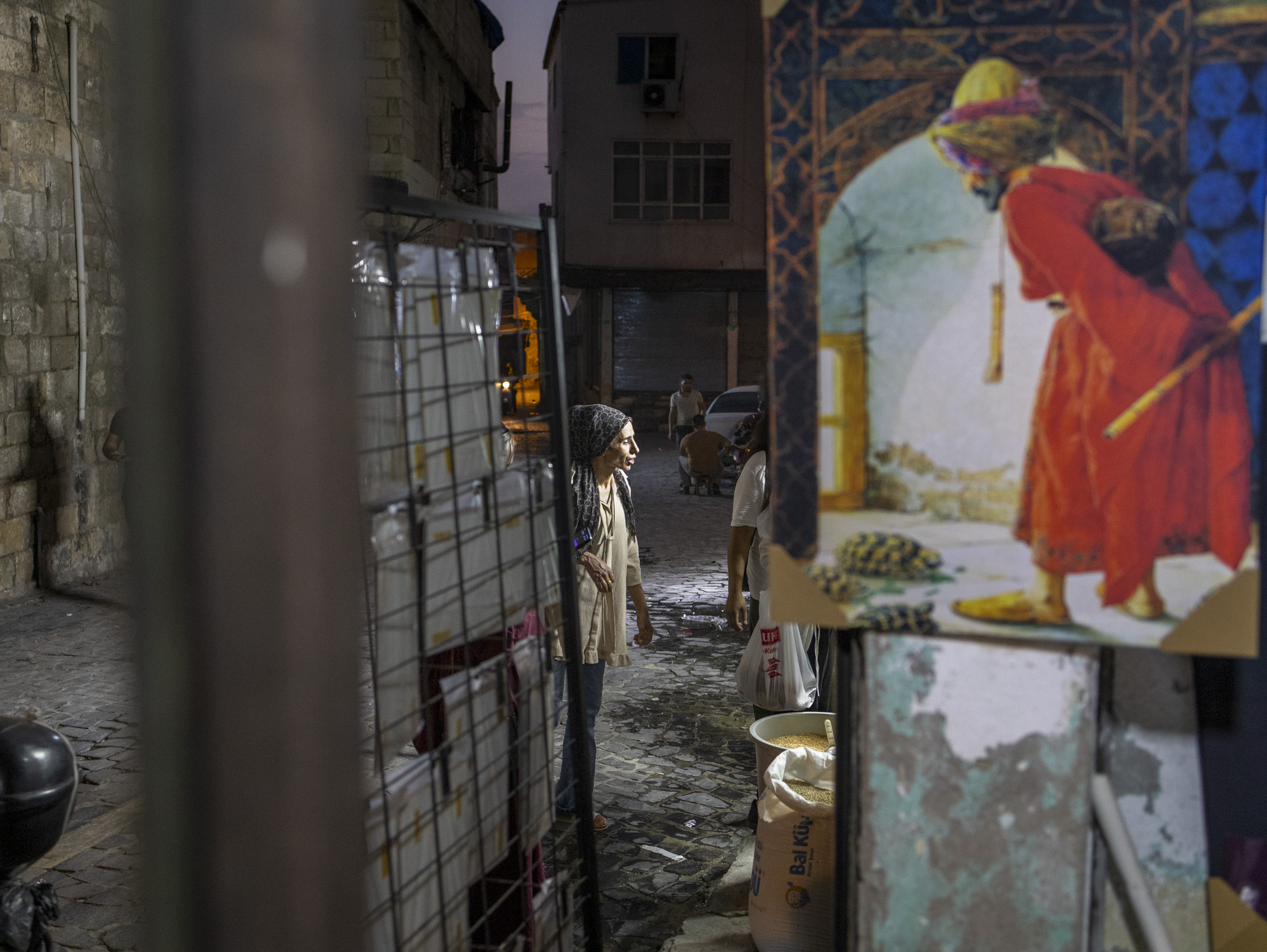
At the market, languages mingle in an ever-changing dialect: Turkish, Kurdish, Arabic. Kurdish women sell fabrics with ancient designs while their eyes avoid the police. Arab men drink tea and talk about homes that are only memories.
Mustafa, while planing a chipped door, says:
“Here it was called Urfa. Then the French arrived. For our resistance, they gave us ‘Şanlı,’ glorious. But glory is a heavy blanket, Elif. Sometimes it suffocates.”
Elif understands that her city is a crossroads of wounded pride. Kurds fighting for recognition, unwanted Syrians, Turks often clinging to nationalism for fear of losing control.
One evening she finds Amet on a crumbling wall, looking toward the Syrian border. Cats move around him, indifferent.
She sits next to him.
“In Kobane, the courtyards are full of rubble,” he says suddenly. “They told me. Someone is trying to clean them up, but it takes time.” Elif looks through the ruins. She sees a stray cat bringing stale bread to three kittens amidst the rubble. When she’s out on the streets, the eyes of others have always seemed the same to her, but she’s now understood that within them, currents from different worlds roar: darker waters, others calmer. She thinks of her mother and her brothers, who have blonder locks and darker skin.
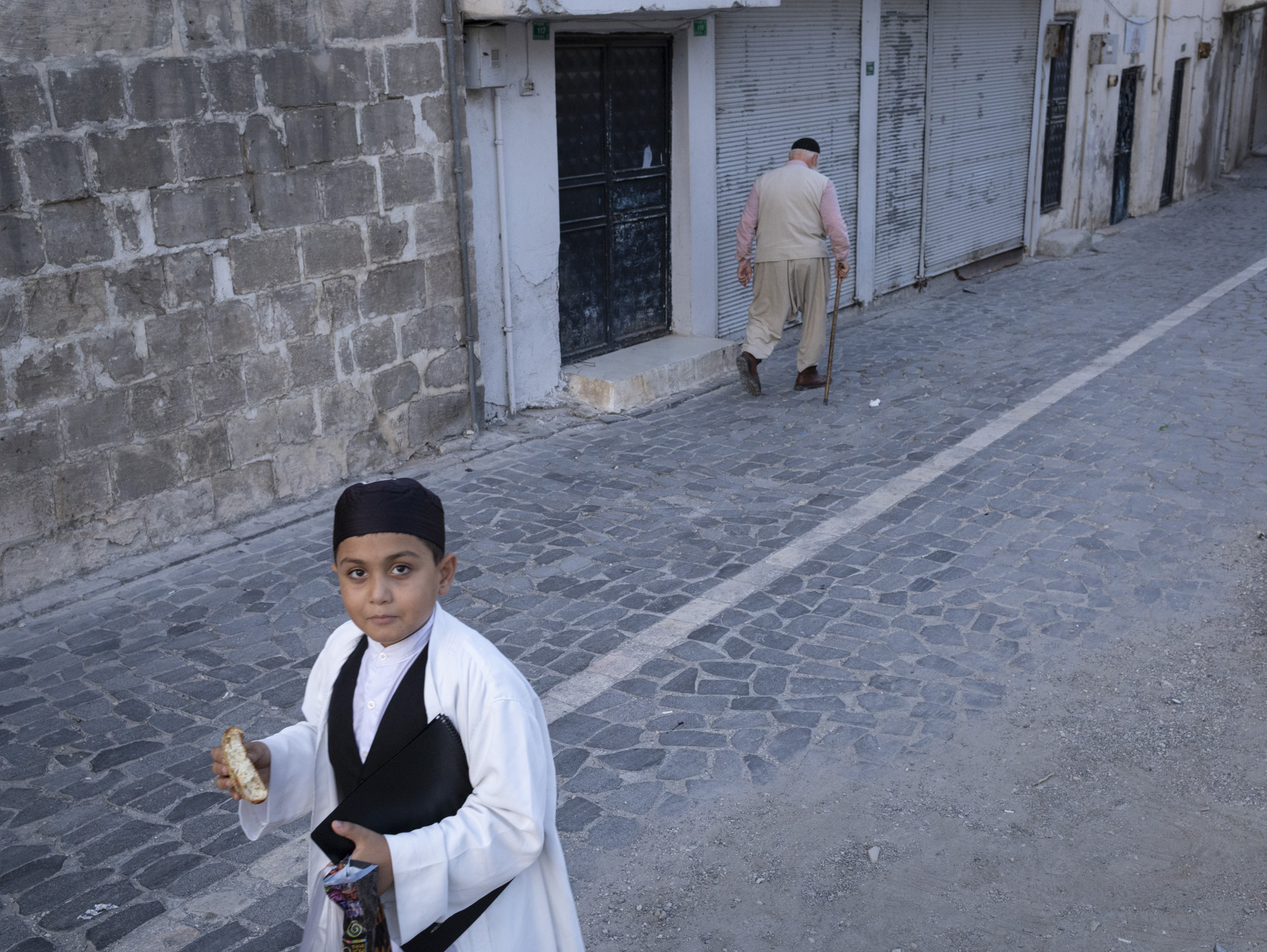
This is Şanlıurfa: water from different springs and freshly baked bread, old men polishing memories and young men planting seeds in the cement. Between the scent of Mustafa’s wood and Amet’s silence, Elif learns to read the most complex map: that of pain and resistance, which here takes on the multiethnic face of those simply trying to survive the next day.