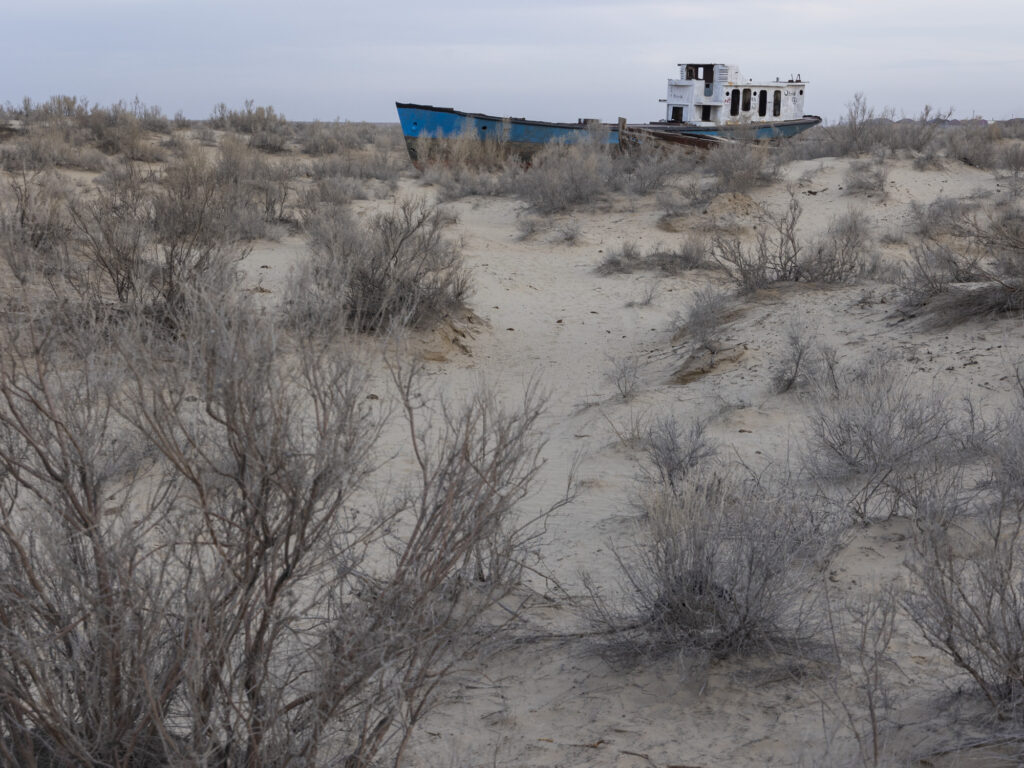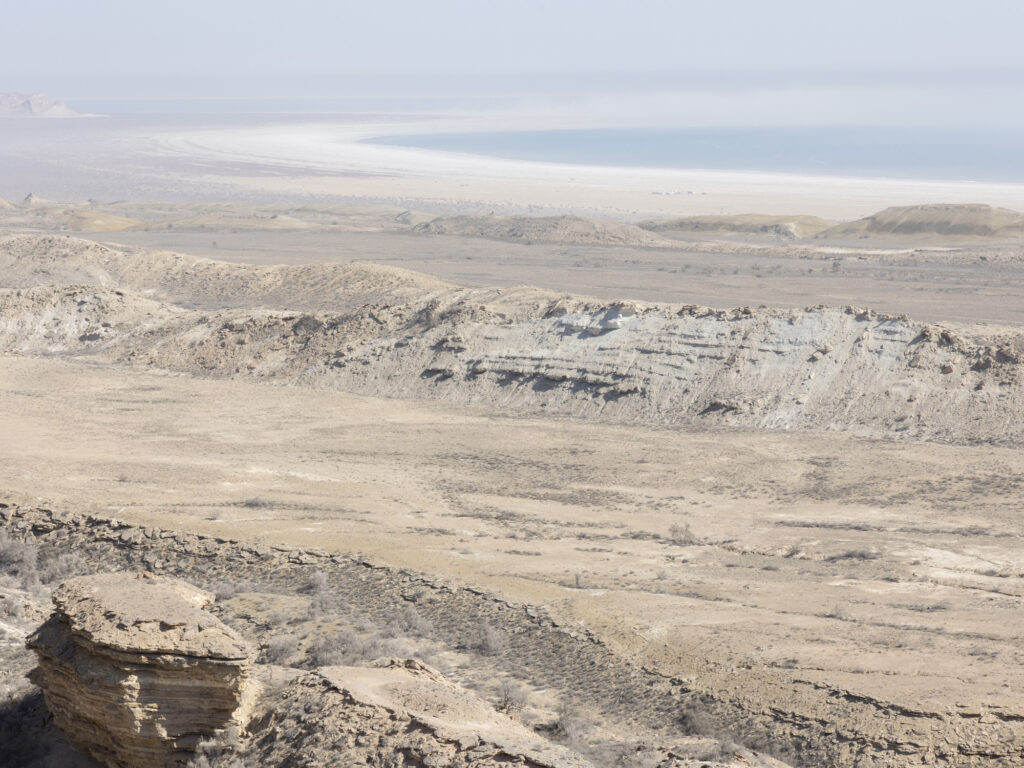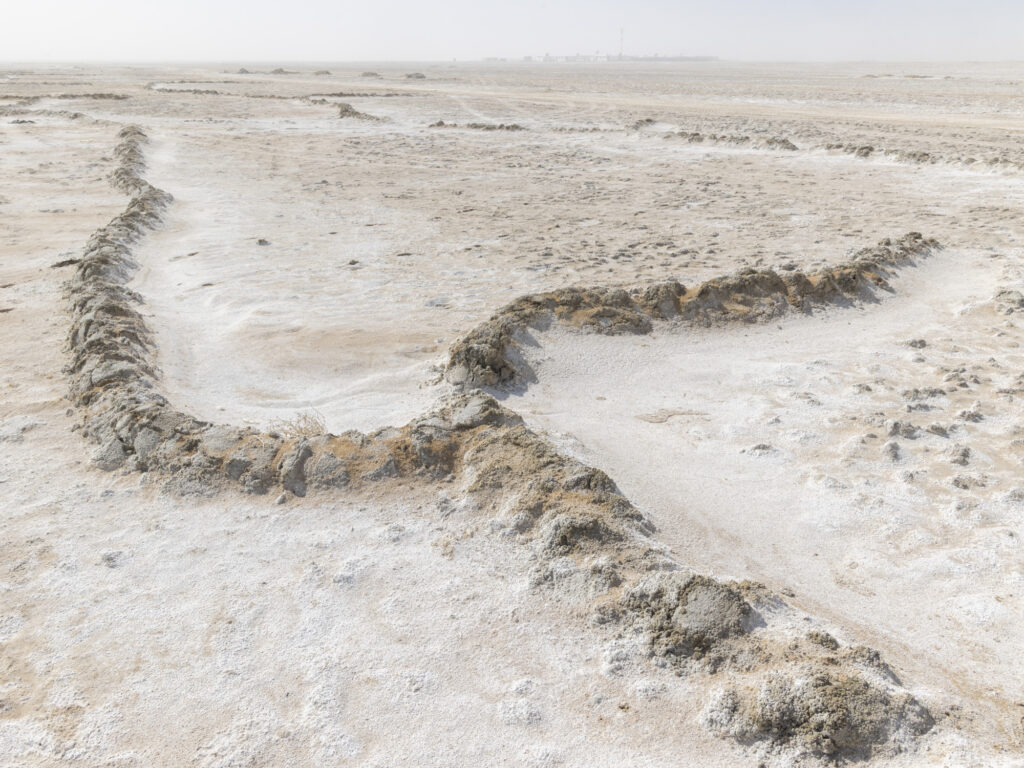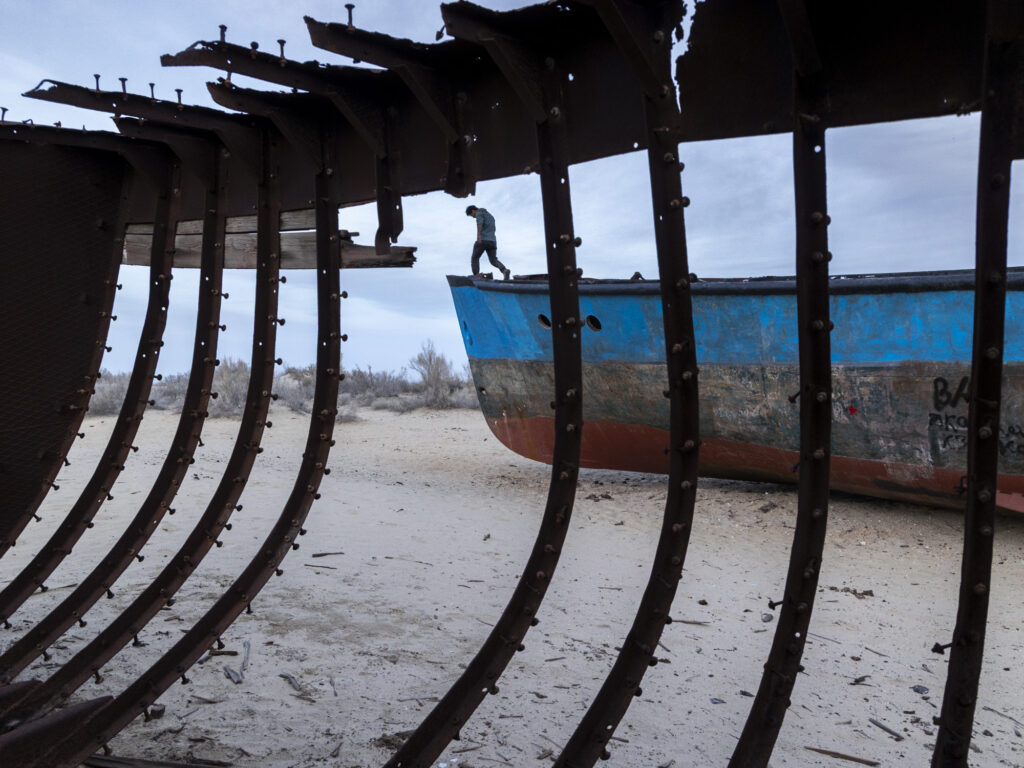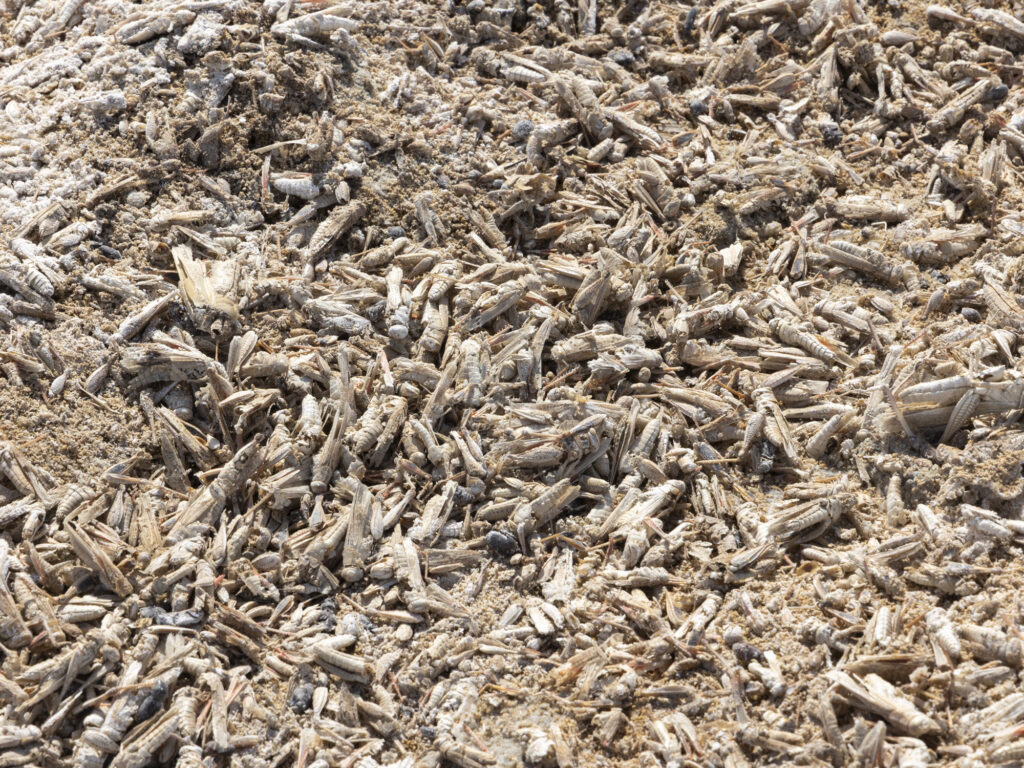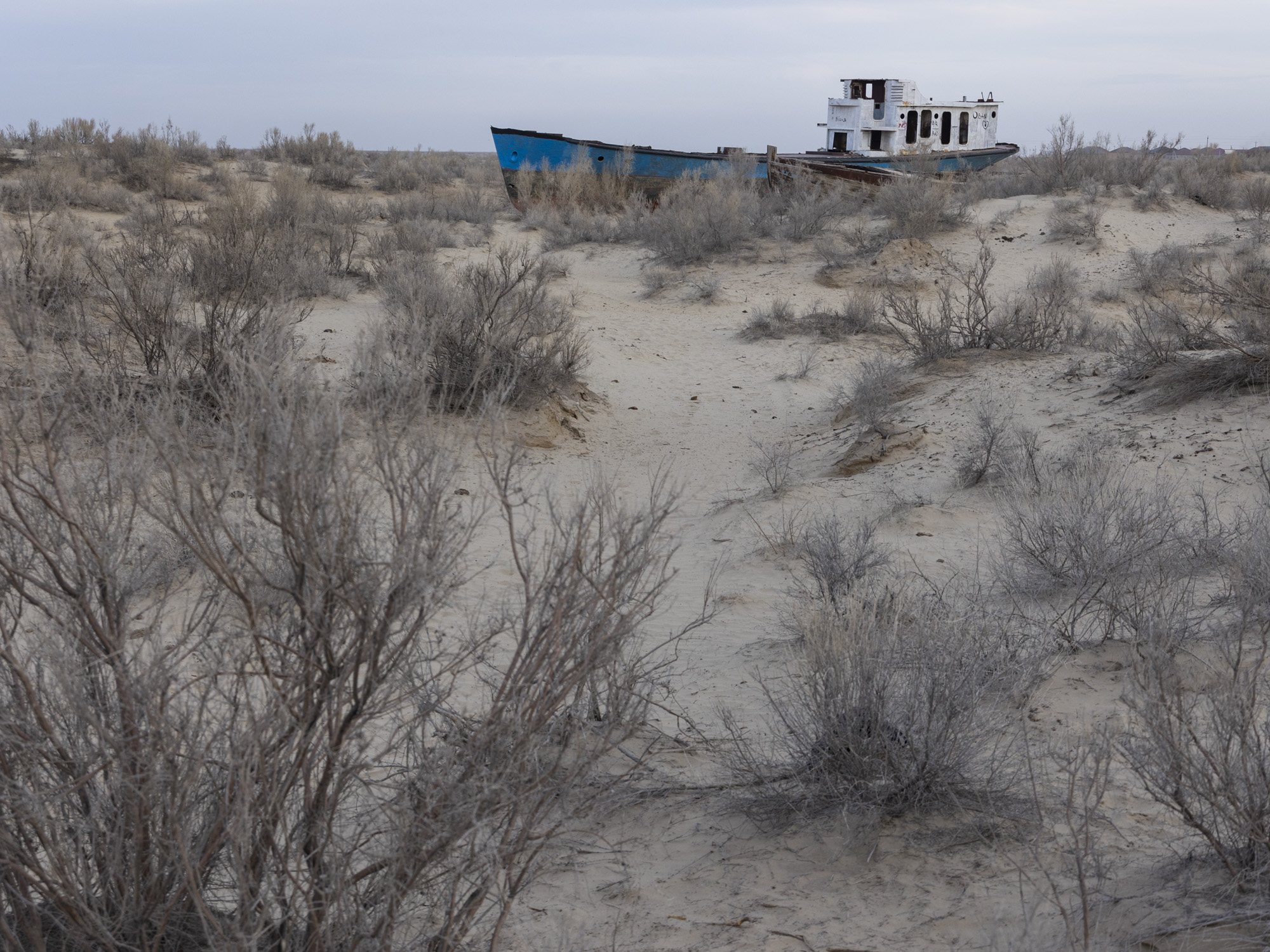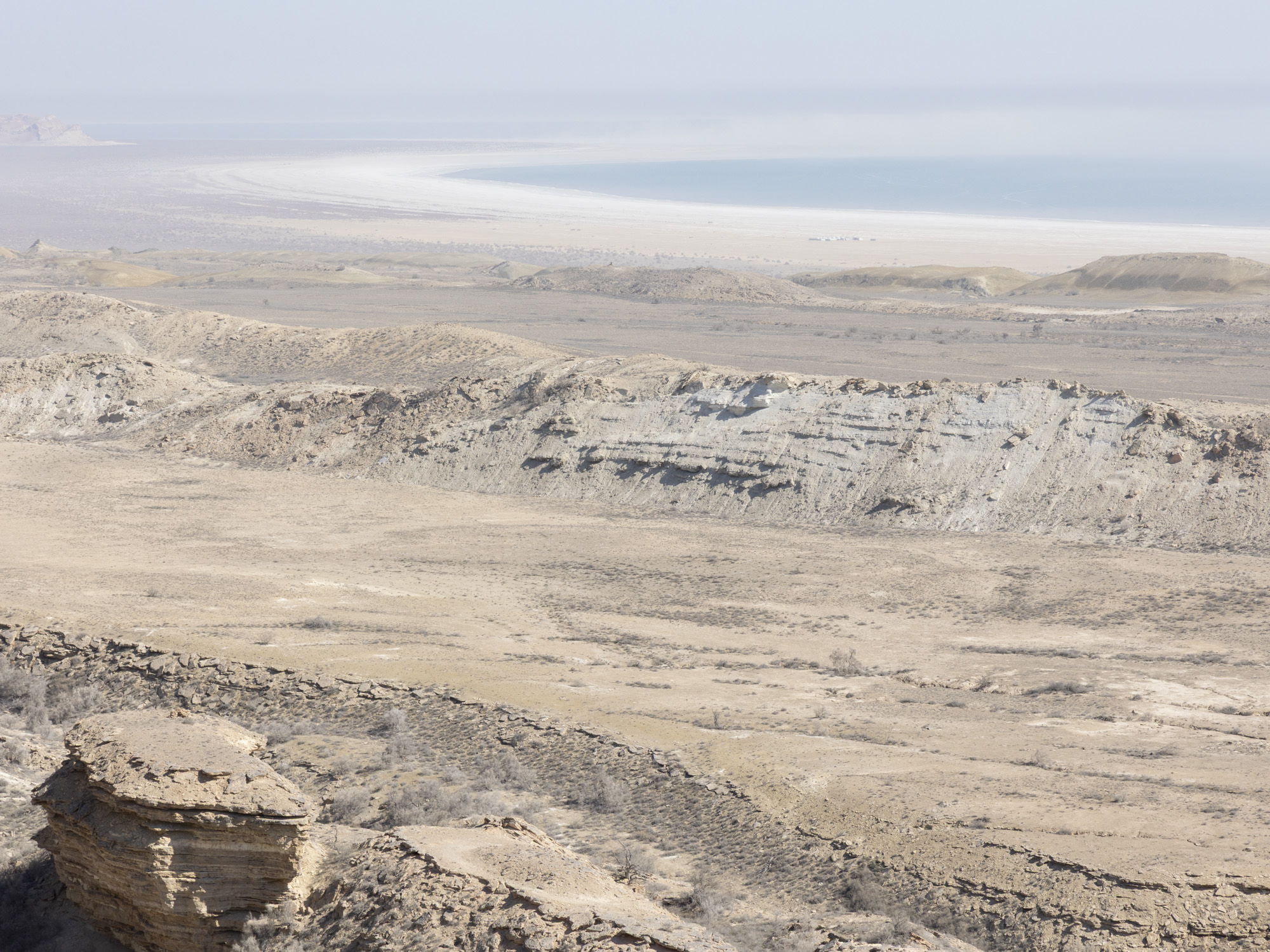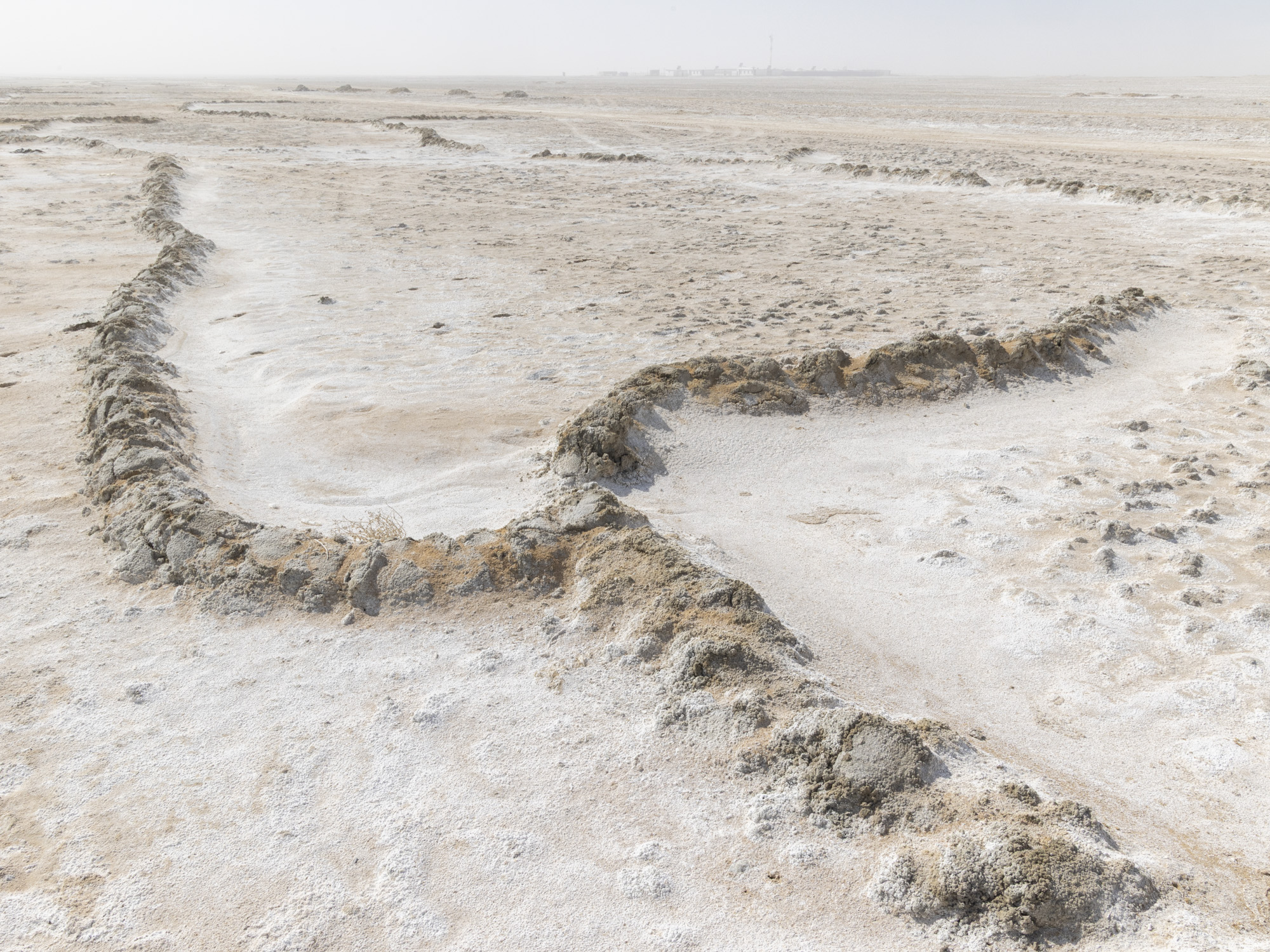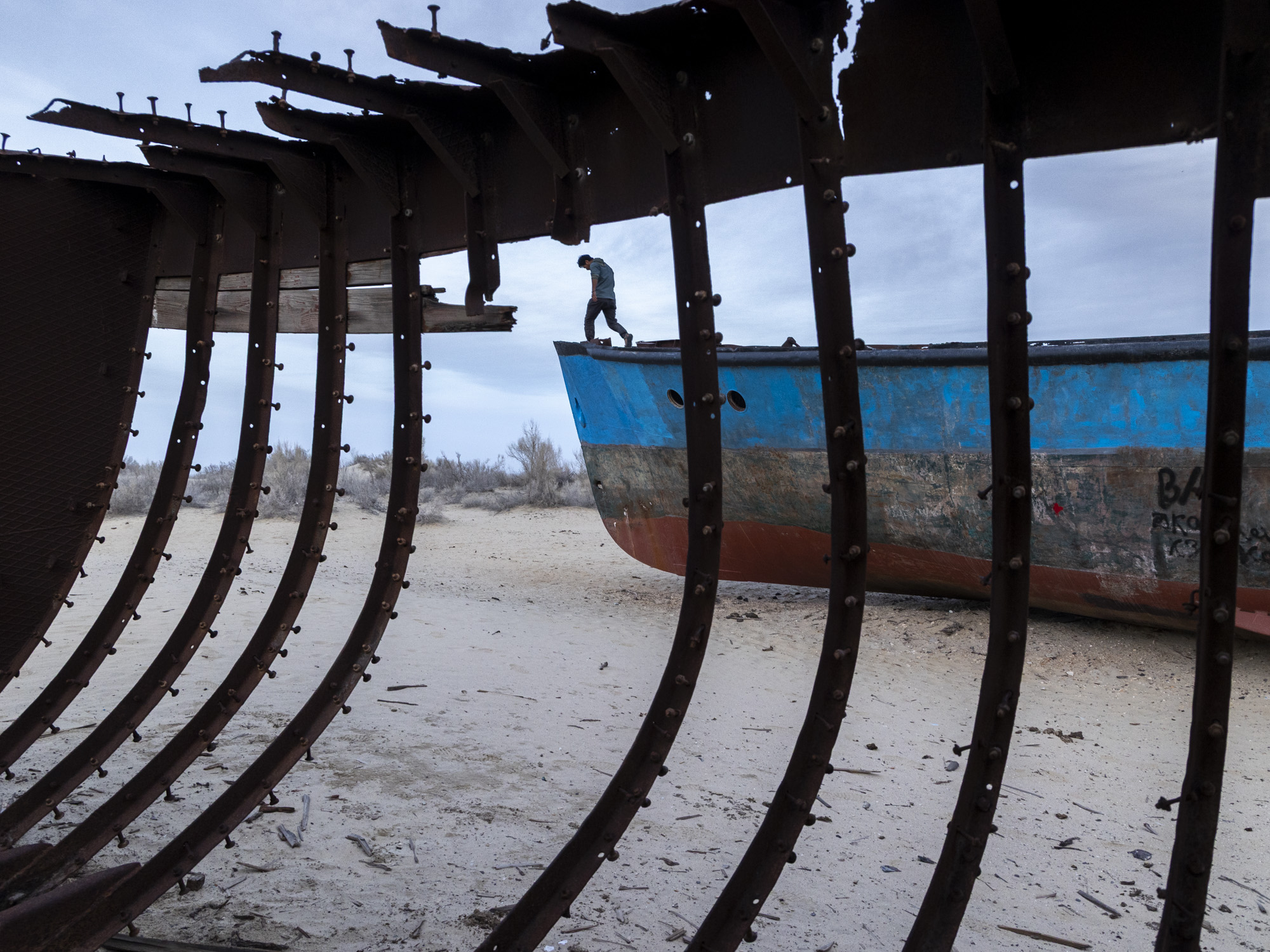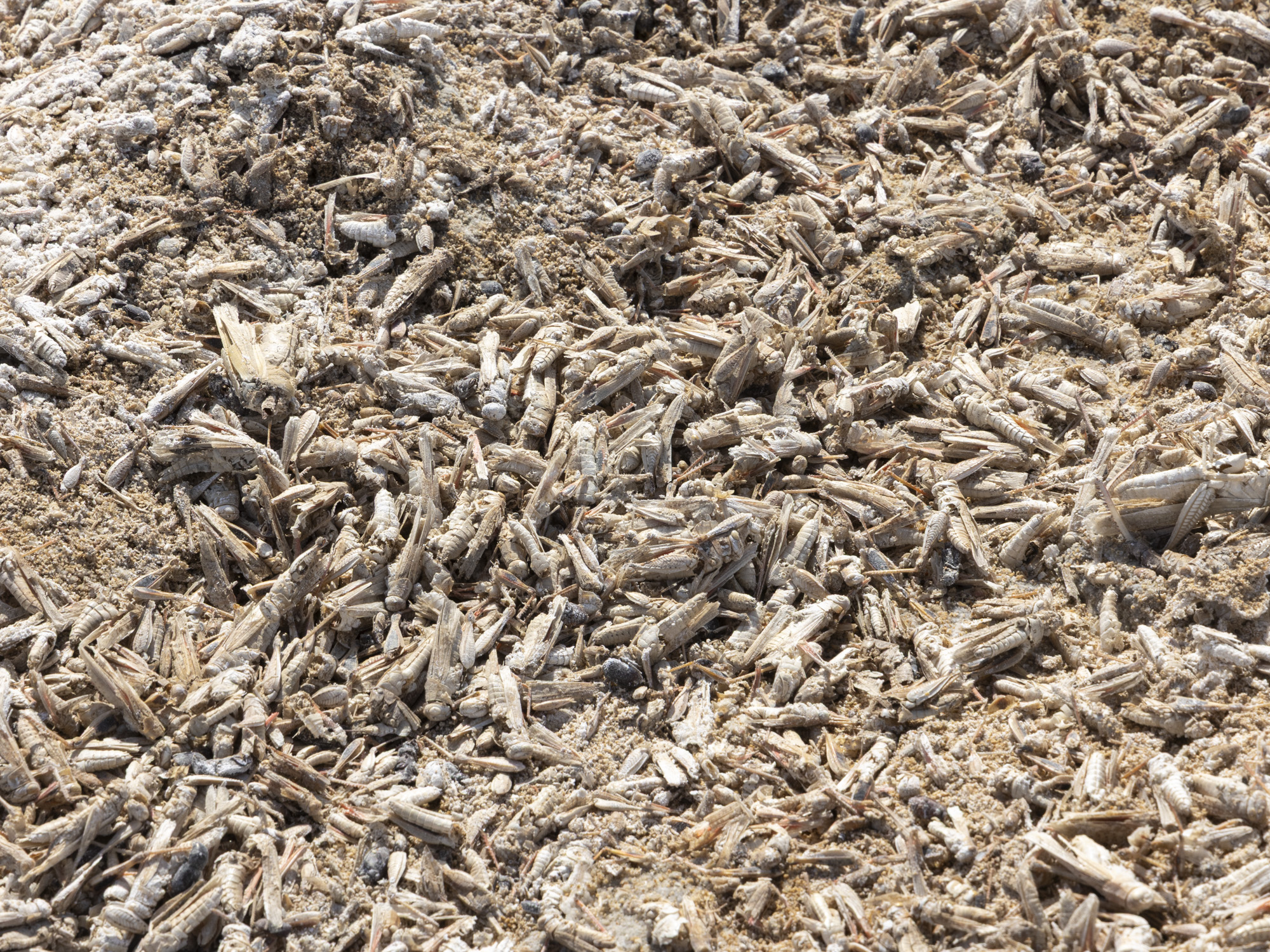
Balls of chemical foam roll along the shore, driven by the wind across the vast rings of salt that mark the retreat of the Aral Sea’s waters. A long strip of dead grasshoppers, piled on top of one another, traces the boundary between the muddy ground and the firmer earth, outlining the tightening circle of death around the lake. Muynaq, the old port, now lies almost one hundred kilometers away: since the late 1970s, the sea has retreated so quickly that within just a few years it left behind a dusty abyss. Ships were stranded in the sand, with no routes left to sail and no fish left to catch.
The air is heavy with salt and pesticides. When the wind rises, it lifts a fine dust from the bed of the ancient lake, covering everything. It wraps itself around houses, seeps into fields and bodies, devours the sky.
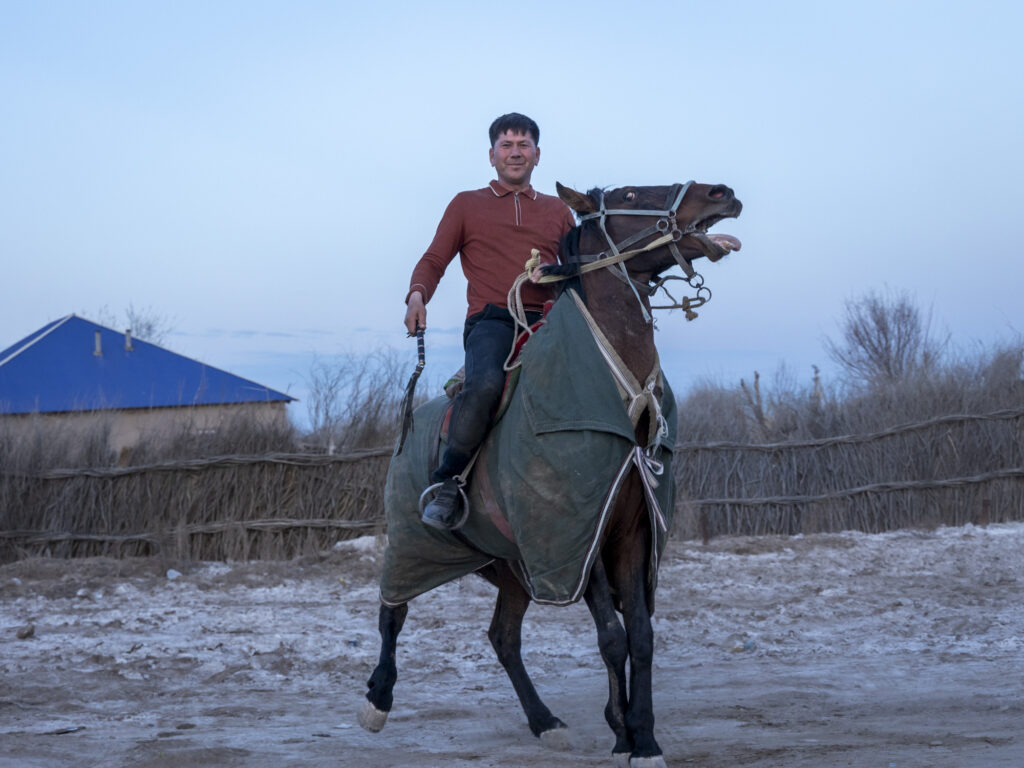
In northwestern Uzbekistan lies a land soaked in salt, where a people speak their own language and have cultivated, for decades, a fragile idea of independence: Karakalpakstan. Culturally closer to Kazakhstan than to Tashkent, it is one of the few autonomous republics still remaining in the post-Soviet world. On paper, it could secede through a referendum; in reality, it lacks the resources to survive on its own. Nukus, the capital, administers a territory covering 40 percent of Uzbekistan, while also inheriting many of its deepest fragilities.
This is one of the most isolated and impoverished regions of Central Asia, and also one of the most scarred: it is here that one of the greatest ecological disasters of modern history is still unfolding today — the disaster of the Aral Sea.
In the 1960s, during the Soviet Union, Moscow transformed Central Asia into a vast cotton plantation. The waters of the Amu Darya and Syr Darya rivers were diverted to irrigate the fields. Reduced season after season, the two rivers eventually lost the strength to reach the lake, setting in motion a slow and irreversible retreat.
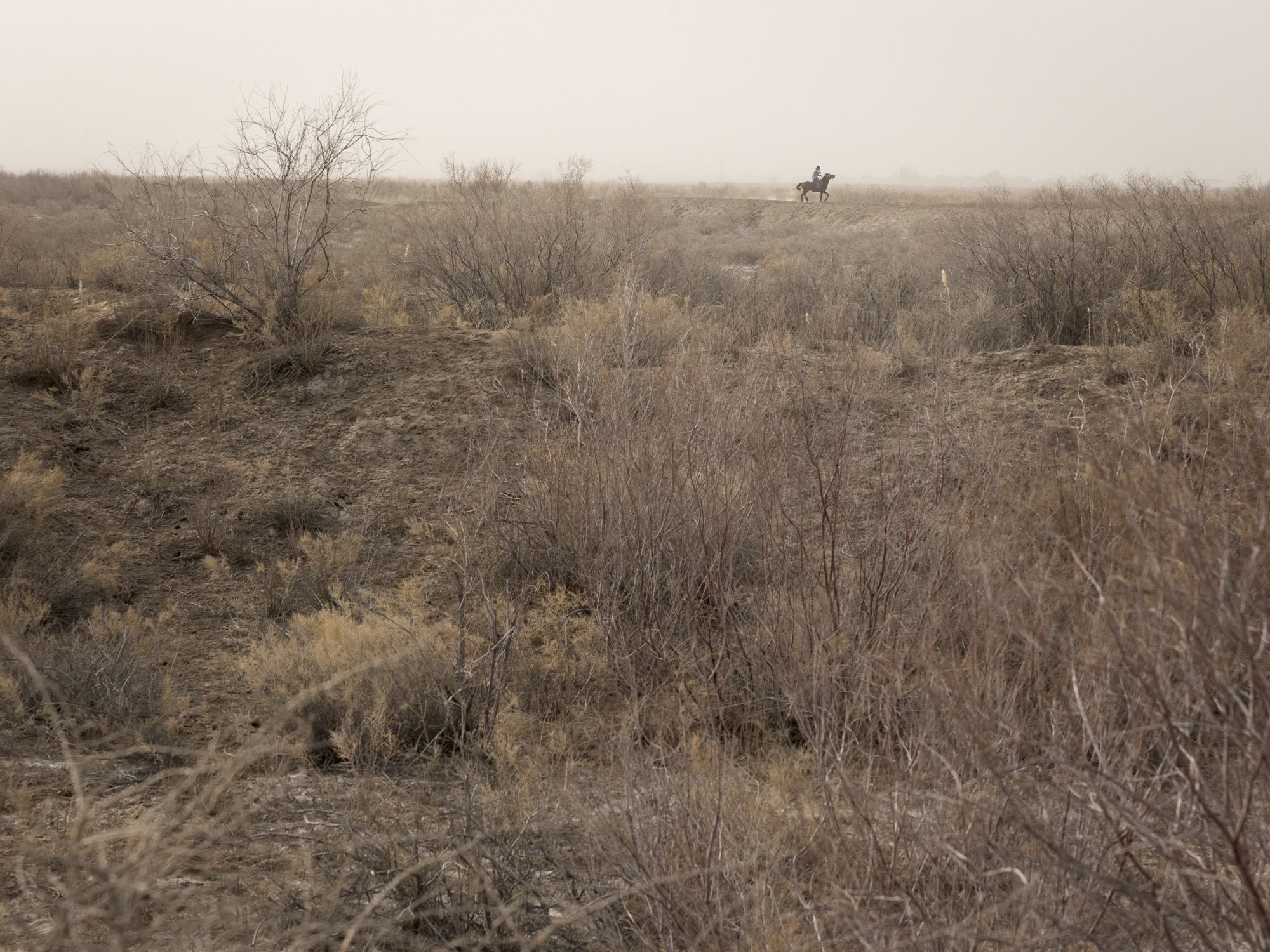
Walking along the road burns your throat. Within a few days, people begin to cough, to feel weak, to suffer from headaches. Where water once existed, there is now a salty plain: the Aralkum Desert.
As it receded, the lake left behind more than unemployment. The exposed seabed is saturated with pesticides, fertilizers, and heavy metals accumulated through decades of intensive agriculture. In some areas, they mix with the remnants of old Soviet biological testing programs. In Kantubek, a former military town built on an island in the lake, the USSR tested biological weapons during the Cold War. Anthrax spores still remain in the soil.
In a region where the wind blows almost constantly, everyday life is marked by a silent and continuous intoxication: respiratory diseases are widespread, kidney problems common, chronic anemia endemic. Cancer rates are higher than elsewhere. Infant mortality is high.
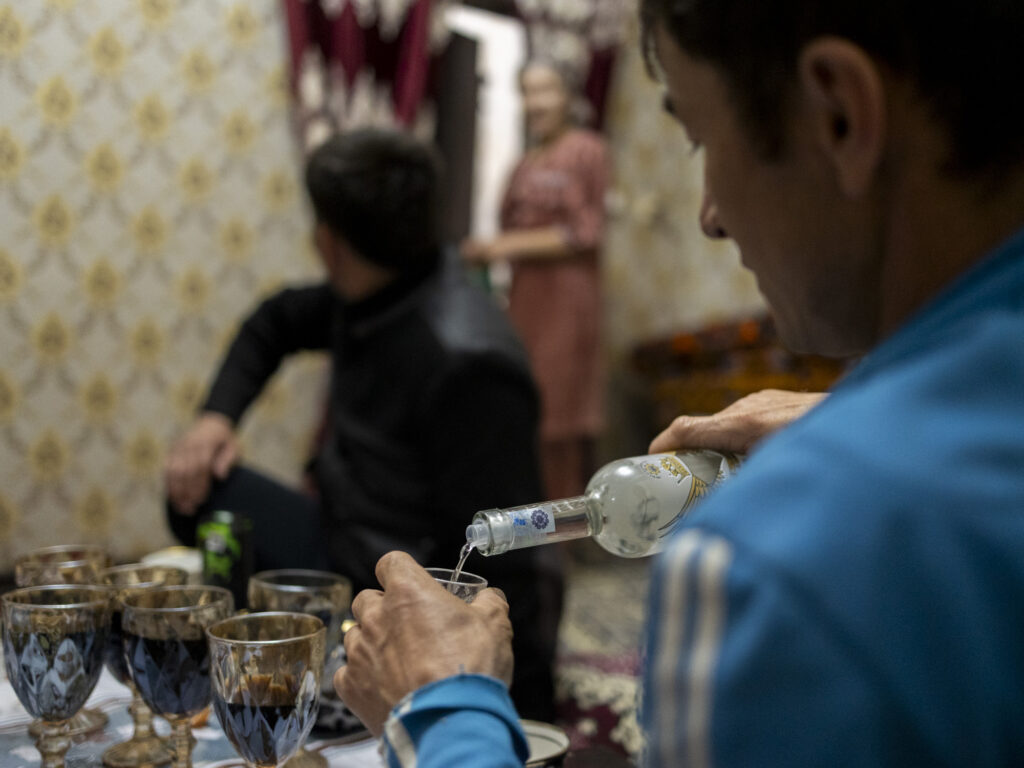
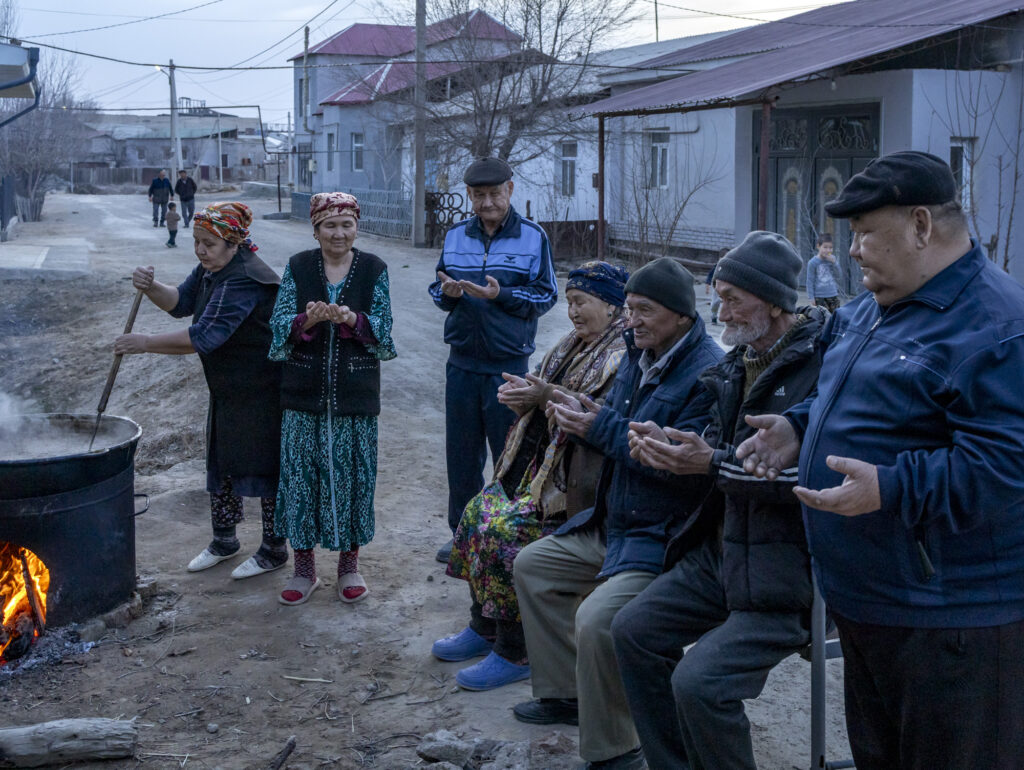
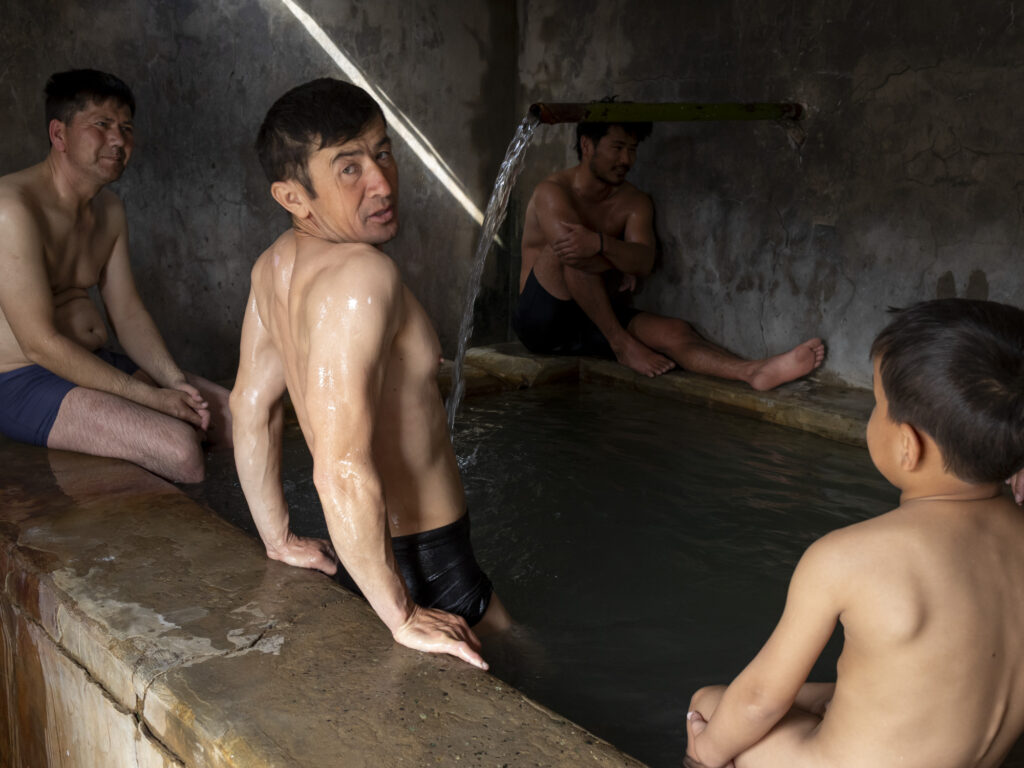
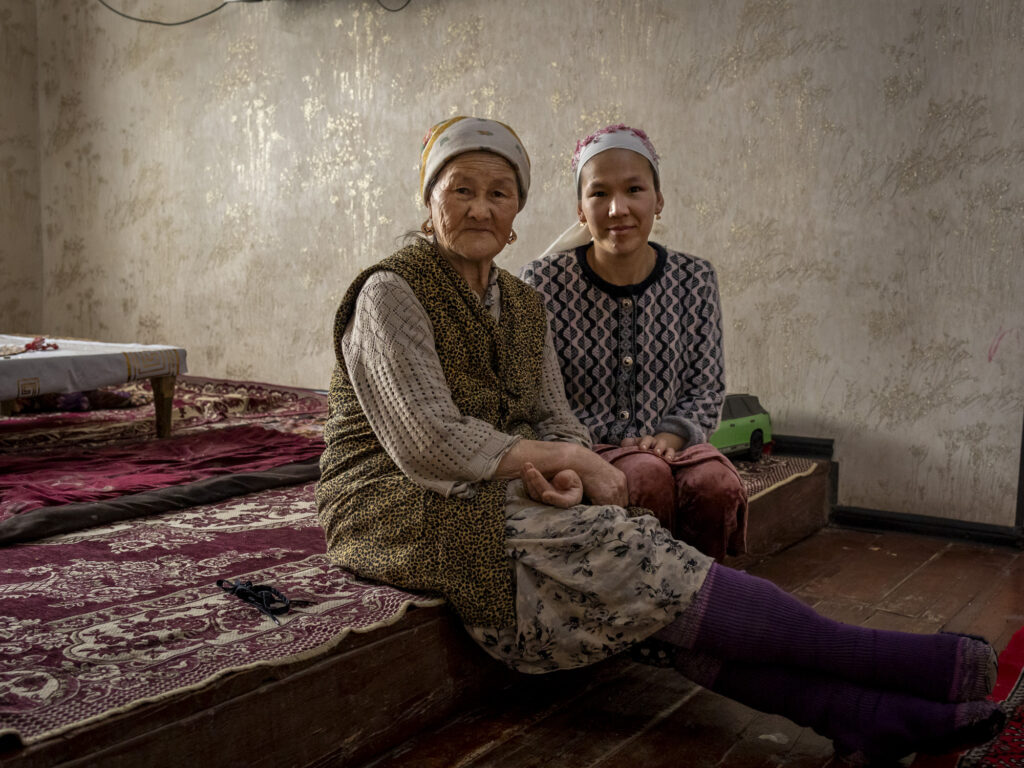
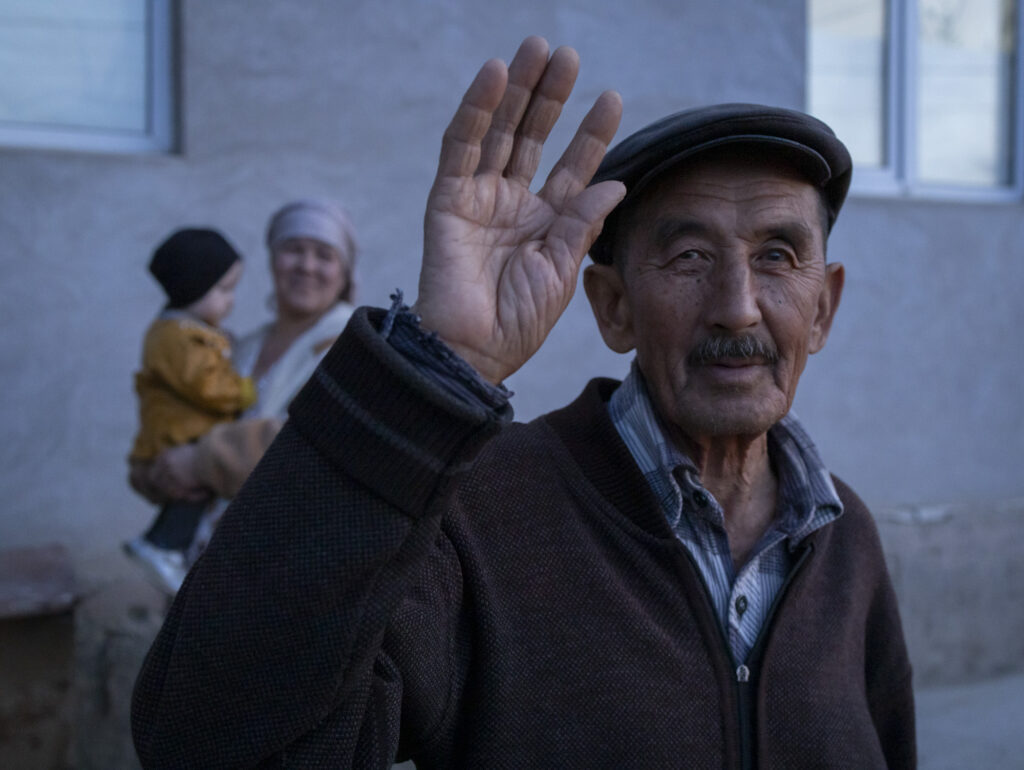
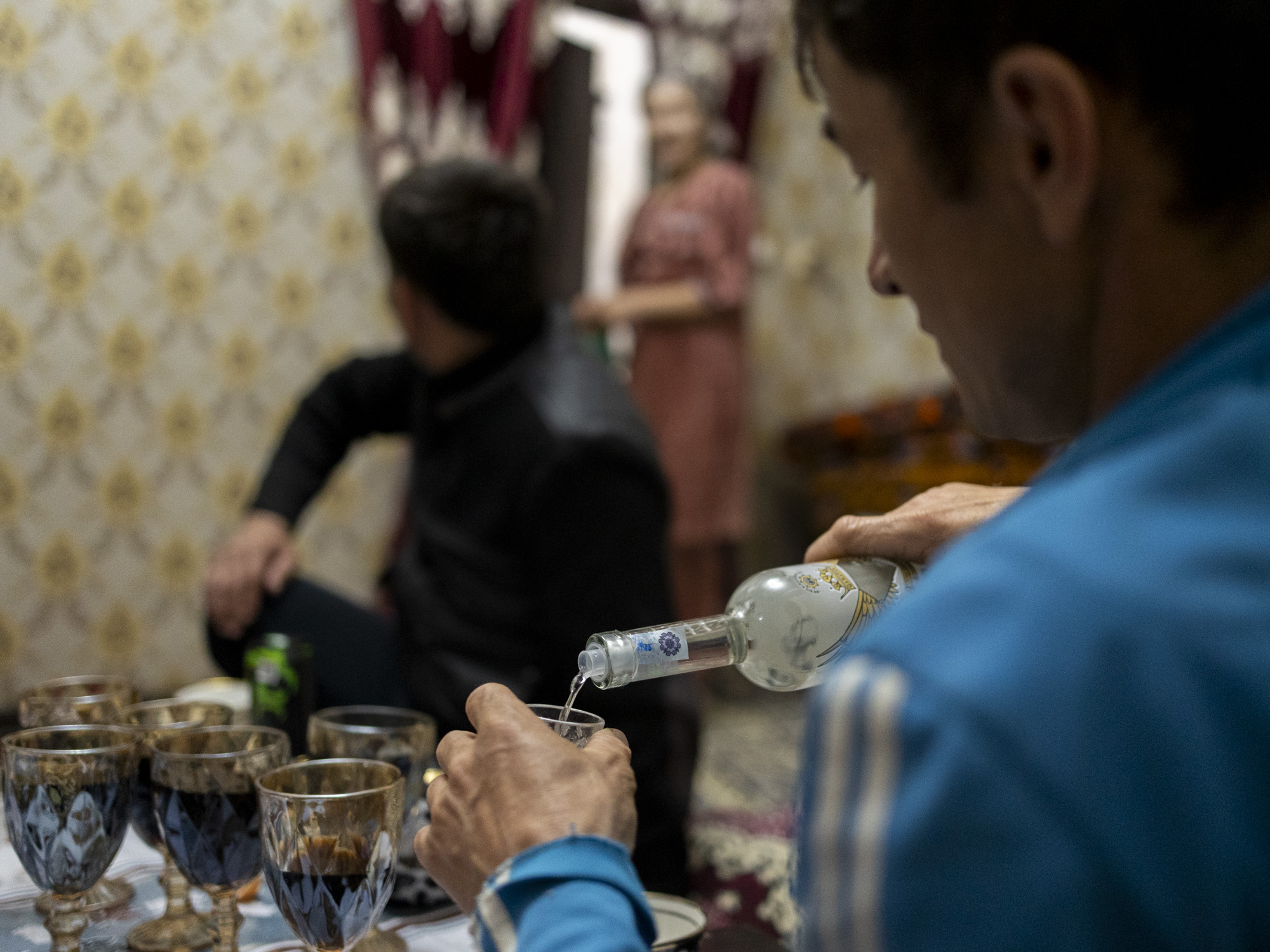
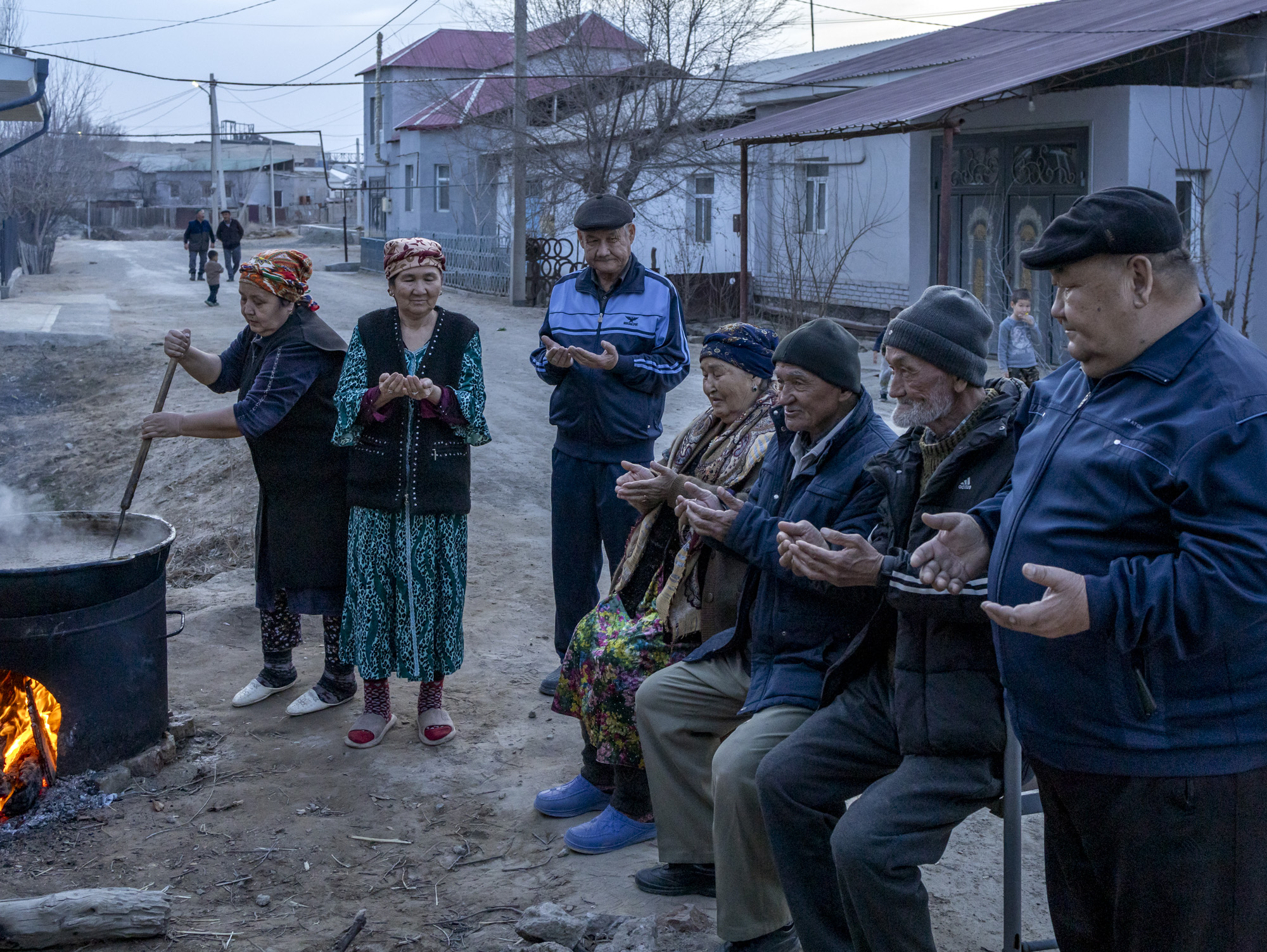
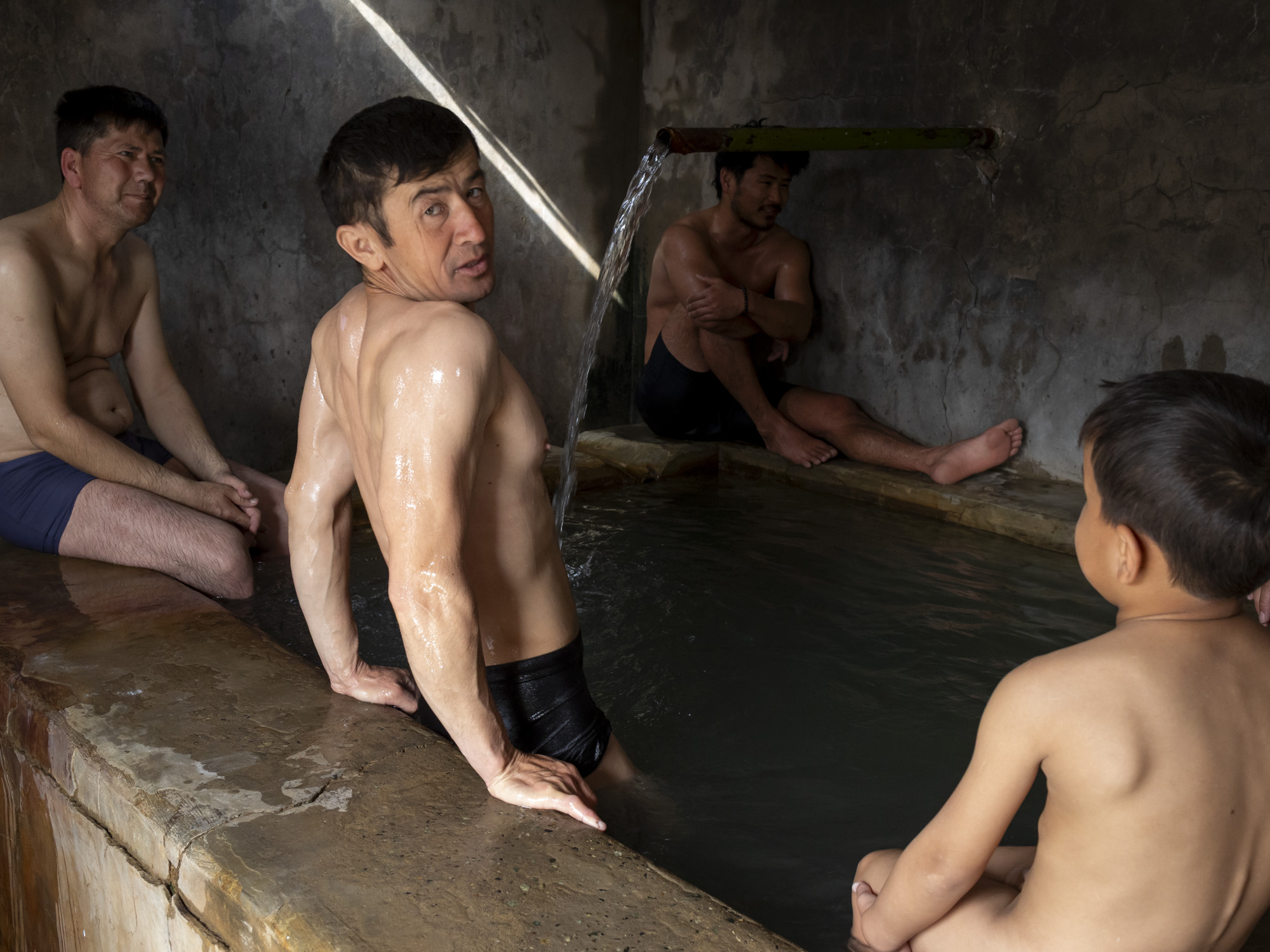
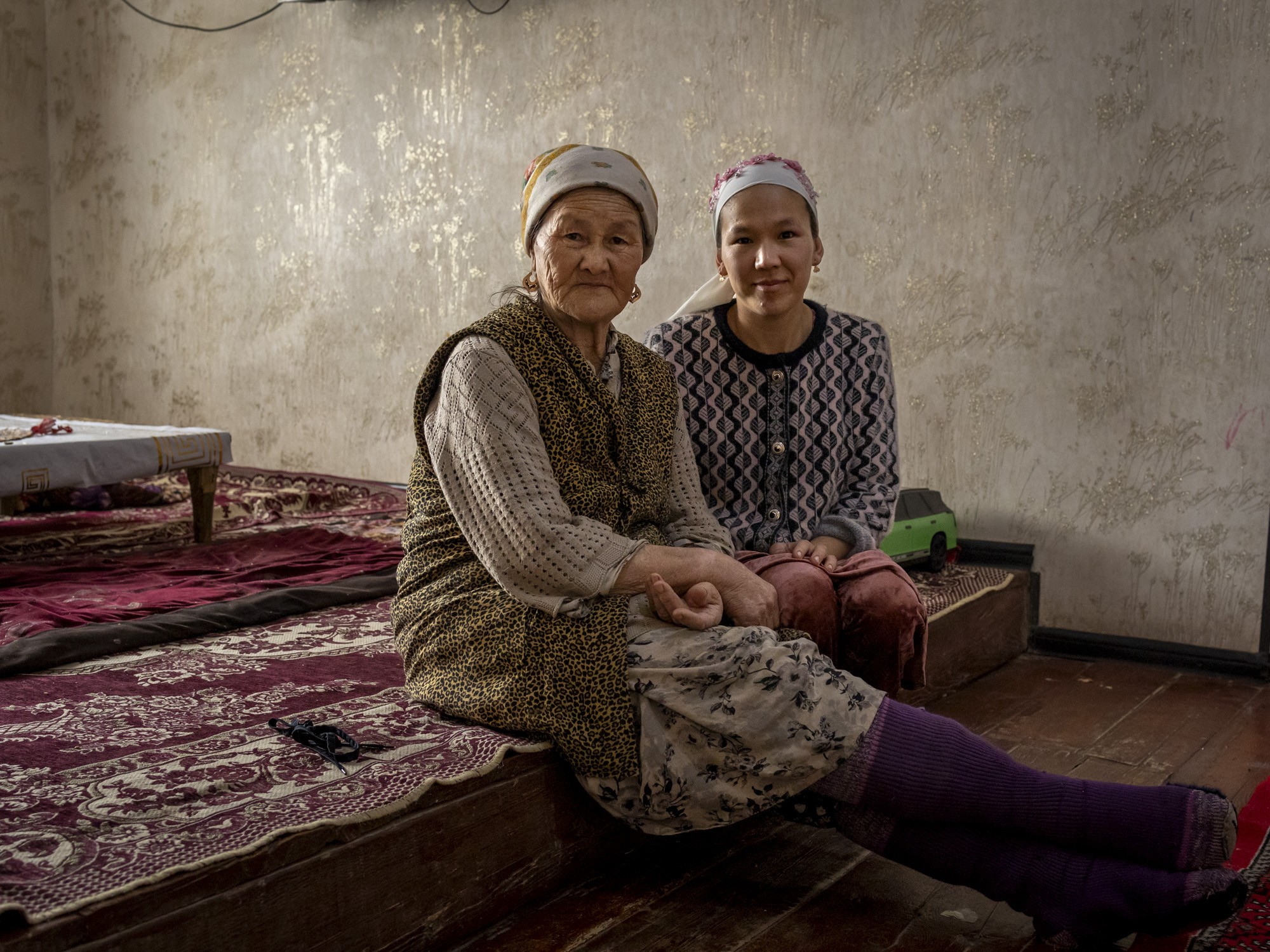
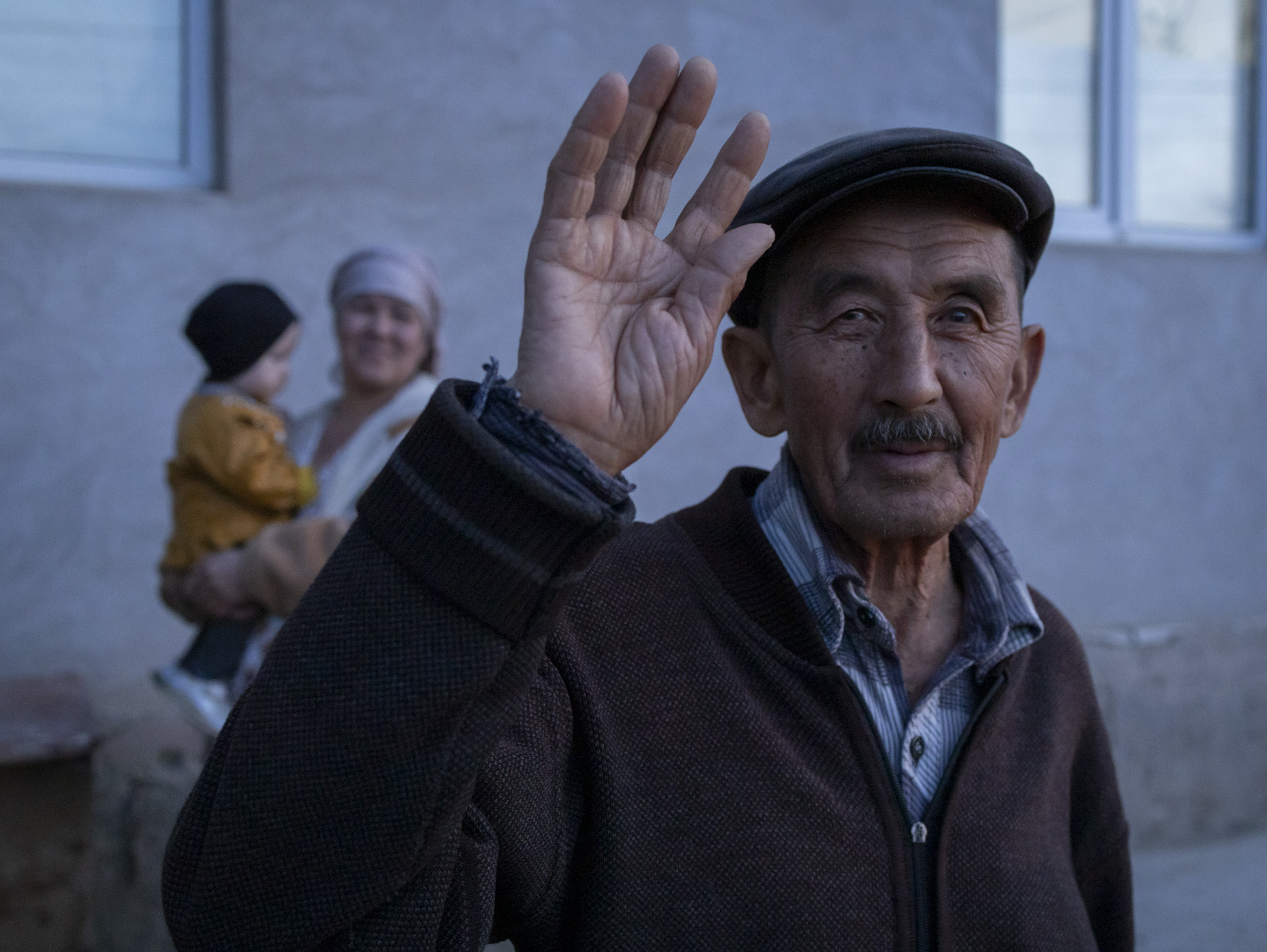
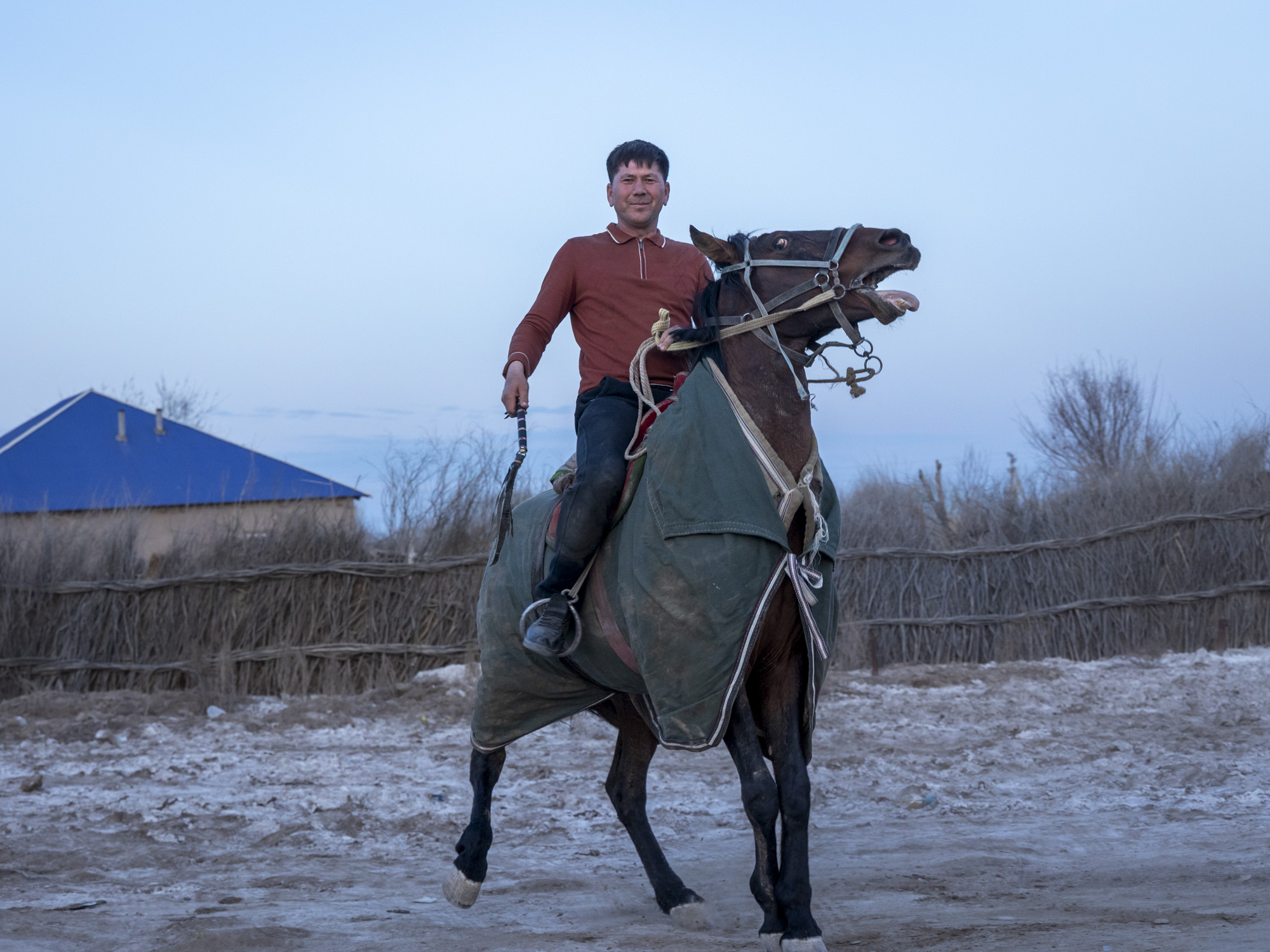
And yet smiles still gleam with gold teeth, and hospitality remains warm. In a village on the road to Muynaq, a family hosts us for the night in a house made of mud and bricks. Earlier on the road, Esen had already stopped us to offer us water and Coca-Cola. They had never met Western foreigners before. Until then, they had only known people from the former Soviet republics. We eat seated on the floor, between hot tea and vodka, surrounded by walls and floors covered in carpets. Neighbors gather around us with handshakes and embraces. For their honored guests, they slaughter a turkey — a rare gesture of great value. The following morning, we go to the thermal springs. No one speaks about the lake, and yet it seems present in everything: in the dust on the windows, in the salt that ruins the fields, in the silence imposed on us by the language barrier. When we leave, three generations of women stand at the gate to say goodbye, while the men keep waving their arms until we are swallowed by the white.
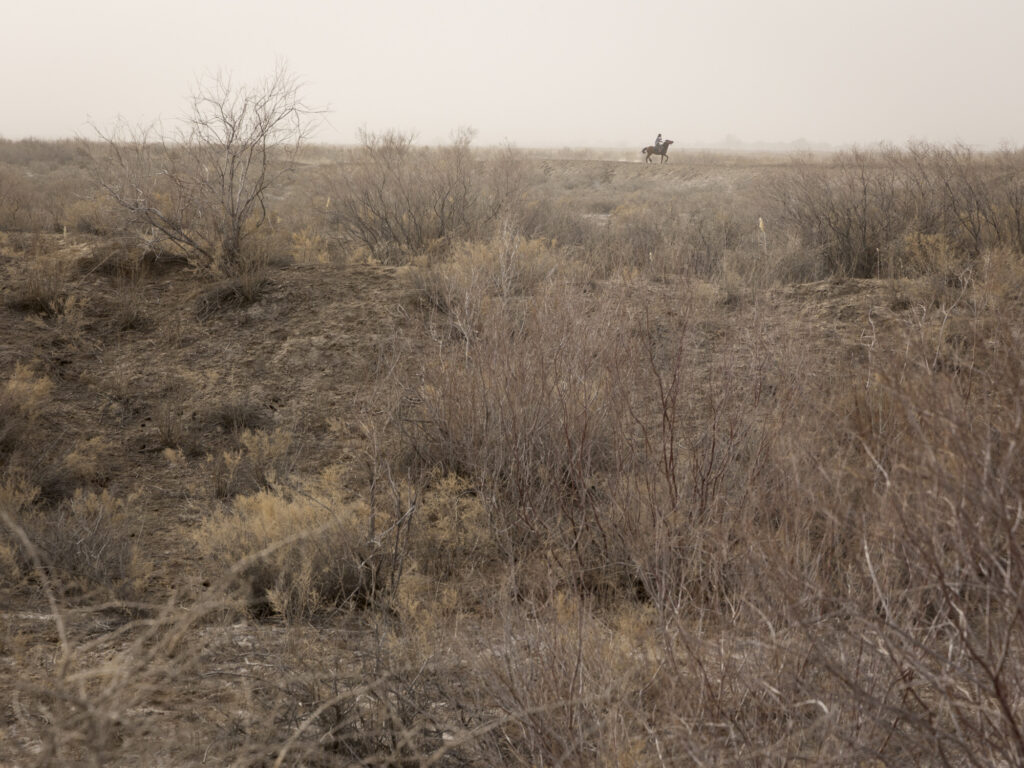
In Muynaq, those who walk through the streets often do so with their faces completely covered. The wide Soviet road that cuts through the village is constantly cleaned by men and women assigned to maintenance work, wrapped in scarves and shawls tightly covering their faces. All around, the village is blanketed in dust. Beyond it lies nothingness in every direction, interrupted only by gas extraction stations and what was once a cliff. The lighthouse is still there. Ticks scurry across the ground, golden jackals howl in the evening and rummage through bags whenever someone is distracted. The camels are gone.
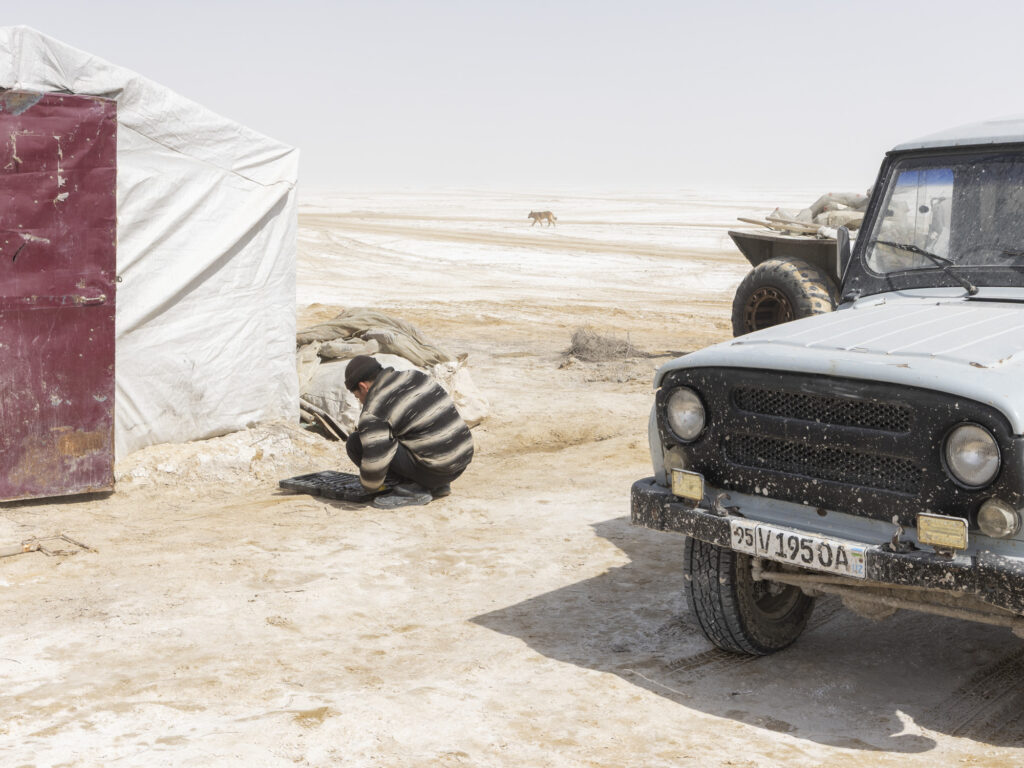
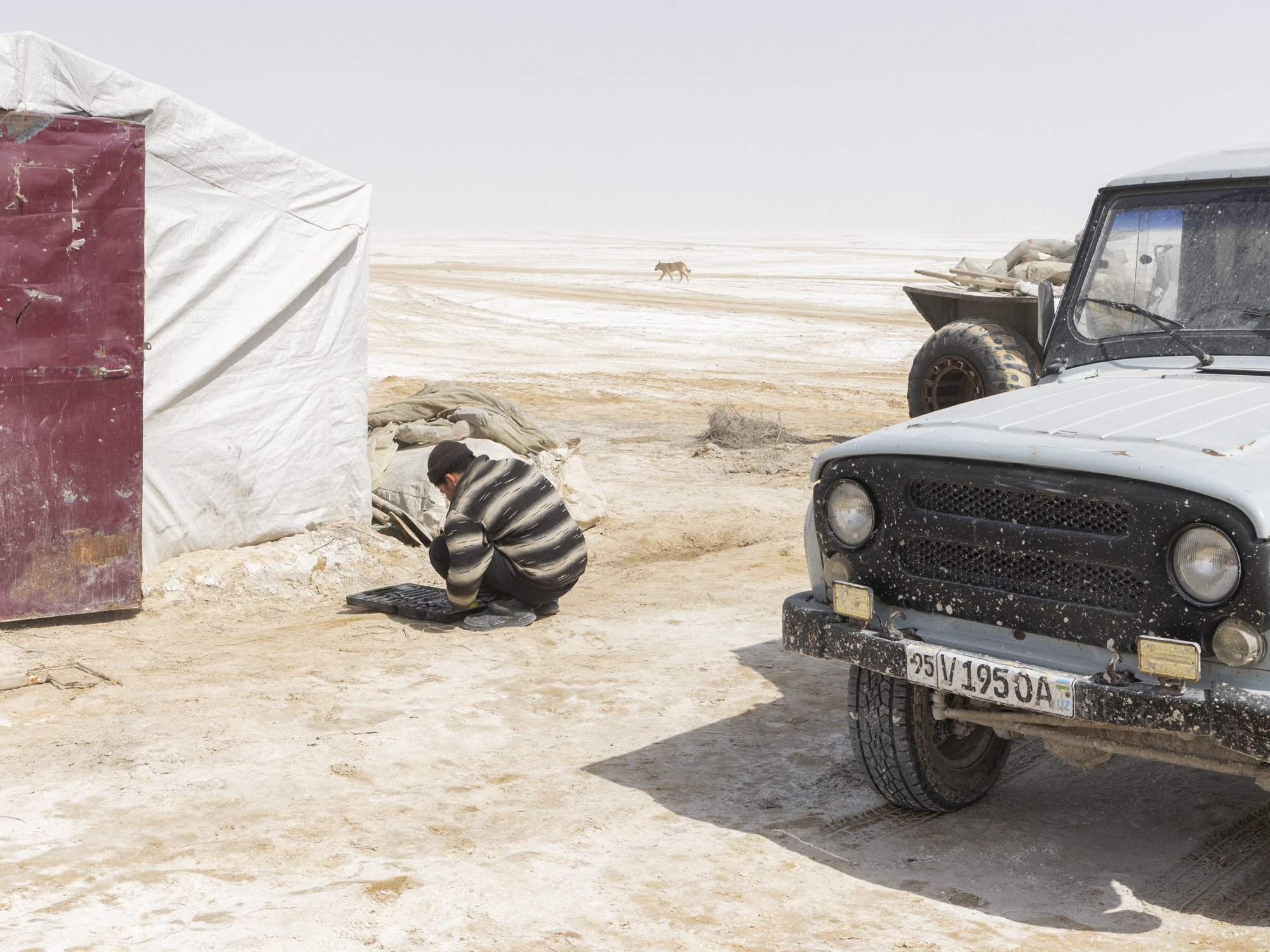
From the village center to the water takes four hours by car, along dirt tracks and dried mud. We travel in old vehicles without air conditioning. Opening the windows is almost forbidden: the dust gets everywhere. Even so, we are forced to wear turbans to cover our noses and mouths.
Along what remains of the lake’s shores, where the air is so dense with salt that it distorts space and distance, there are men who survive thanks to the Aral’s last remaining life forms. They step into the shallow water wearing rubber boots, bent forward, dragging light nets across the still surface. They are not searching for fish — there are none left — but for eggs. They harvest Artemia salina, a tiny crustacean that is virtually the only organism capable of surviving in the hypersaline water that remains.
On the Kazakh side of the lake, to the north, some water has returned and still supports a small amount of fishing. Not here. Here the water continues to retreat, year after year. People point toward the horizon and measure time like this: “the water used to reach here.” Soon, only this will remain: “there was water.”
Dauran, the driver who took us almost to the shores of the lake, speaks very little. He does not know English, and the translation app on his phone almost never works. At one point, he points toward the white expanse and explains through gestures how he once became stranded here for five days, his car stuck in the salt.
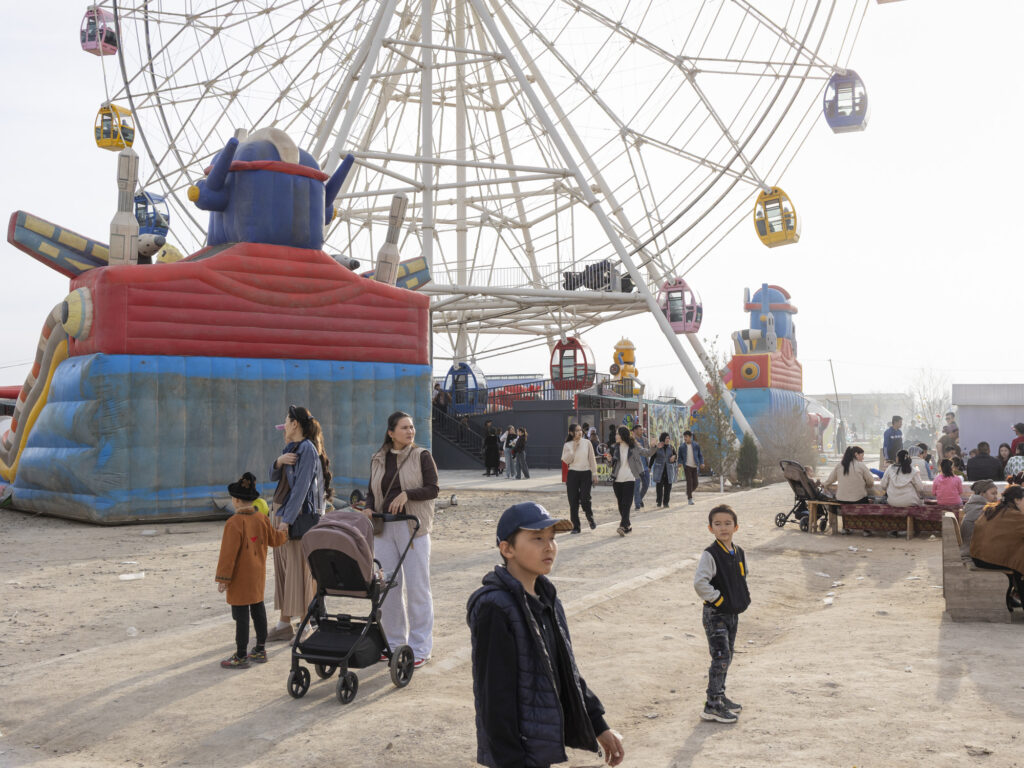
Within a few months, temperatures swing from minus thirty to plus fifty degrees Celsius, surrounded by landscapes that feel almost metaphysical. Agriculture is collapsing, work often has to be invented, and dreams of a prosperous past — built on fishing and cotton — have retreated together with the lake.
And yet Karakalpakstan continues to endure. It continues to exist with stubbornness, overflowing with kindness and generosity. As if white were not only the color of salt, but also the color of a stubborn lightness — one that allows people to live in these lands as though the world were simpler than it really is.
This project is reader-supported.
If you’d like to support independent slow reportage from the road and receive field notes, unpublished photographs and behind-the-scenes writing from the journey across Asia by bicycle, you can join the project on Substack.
You can also support the journey directly via PayPal or Ko-fi.