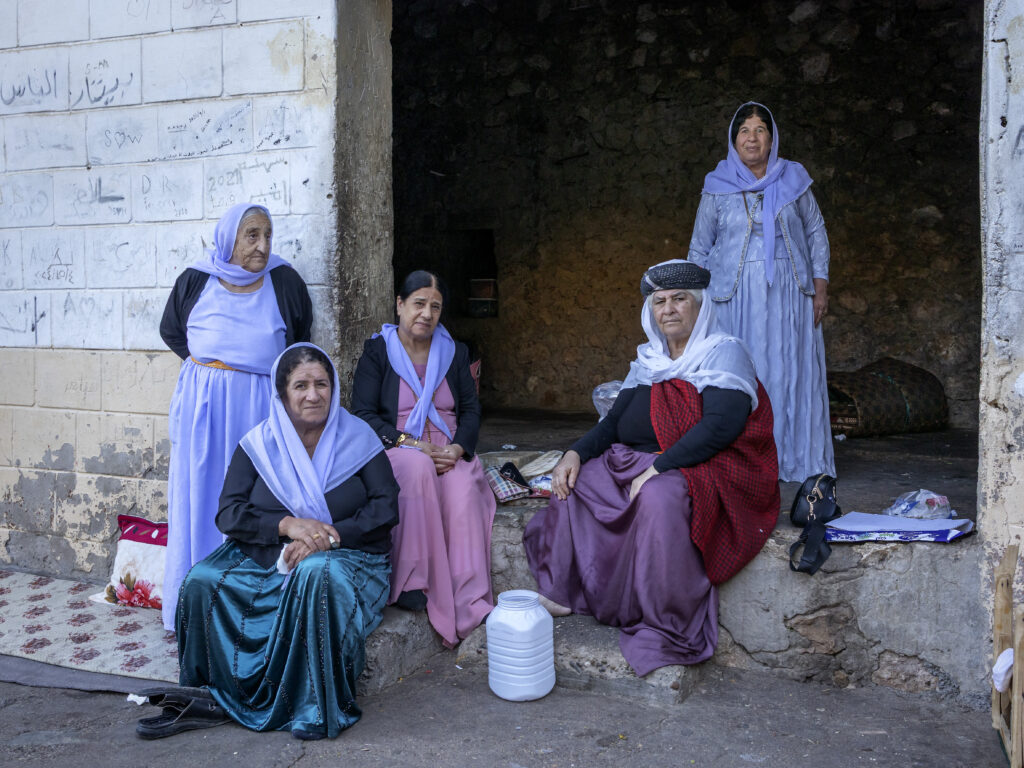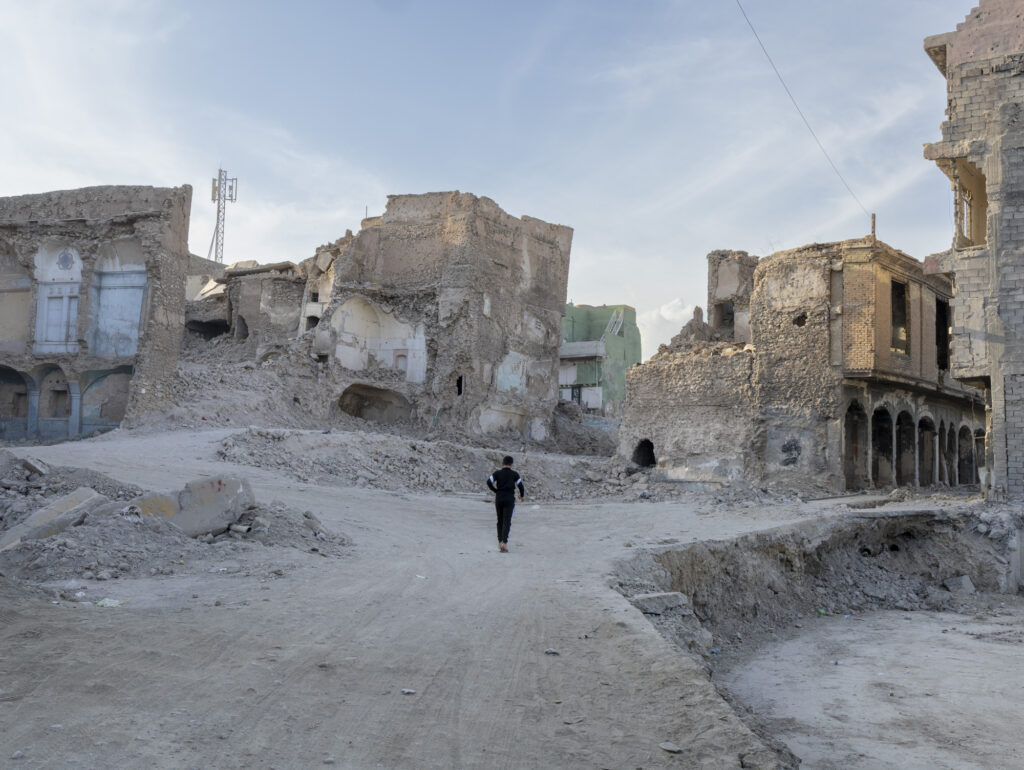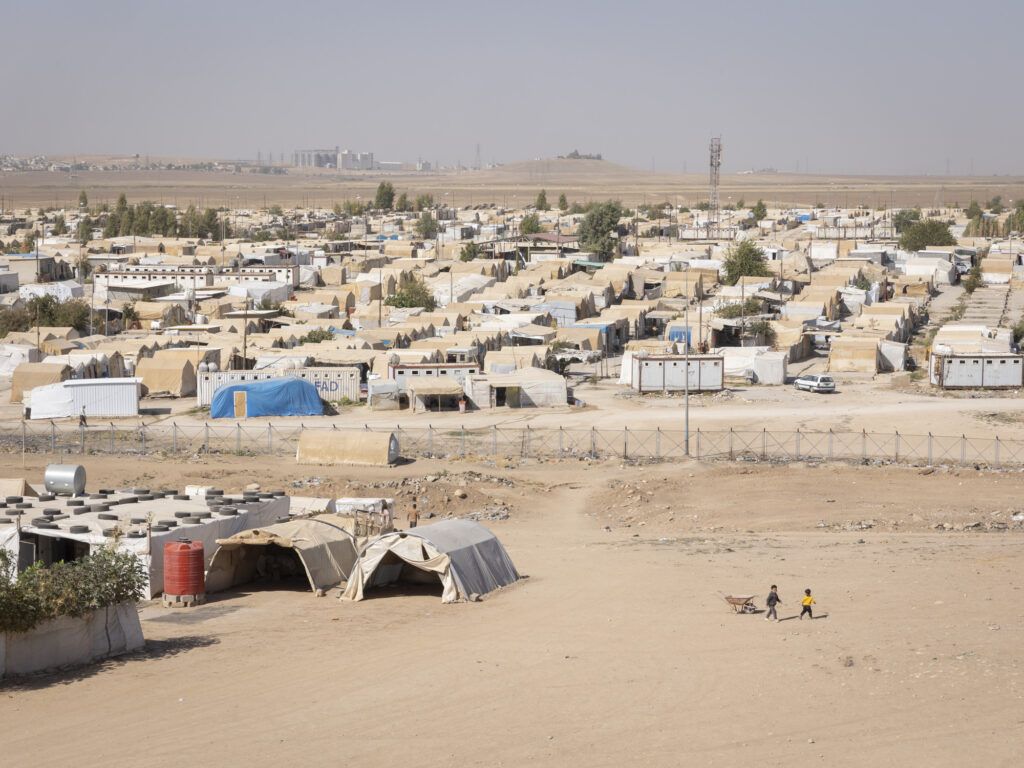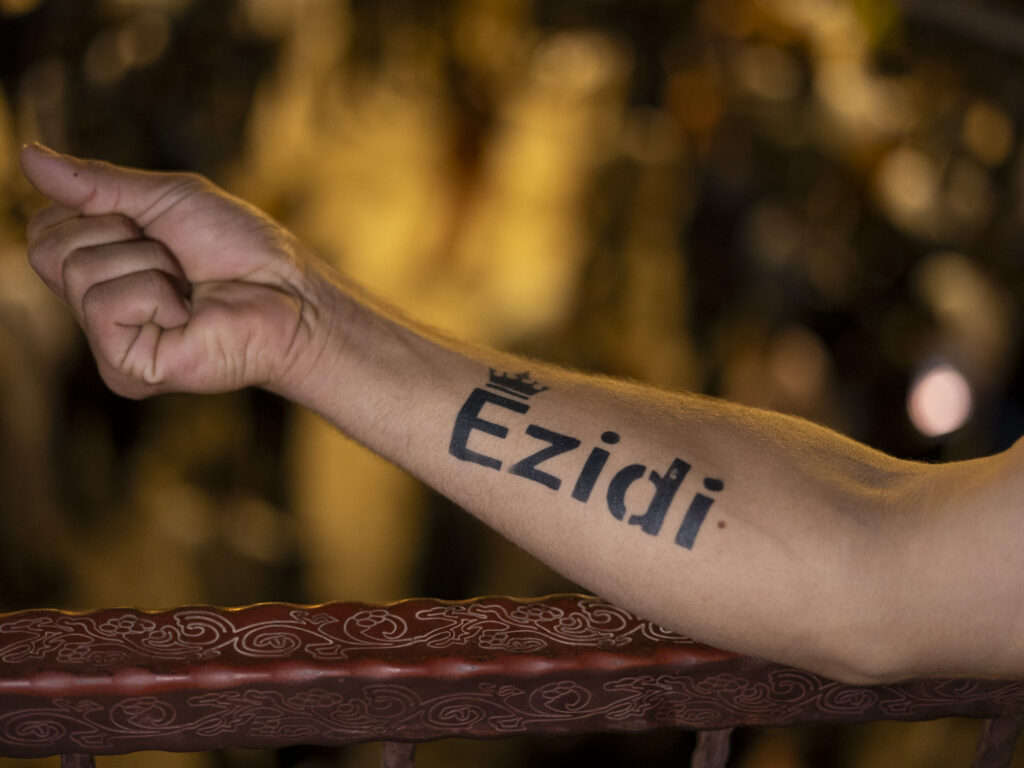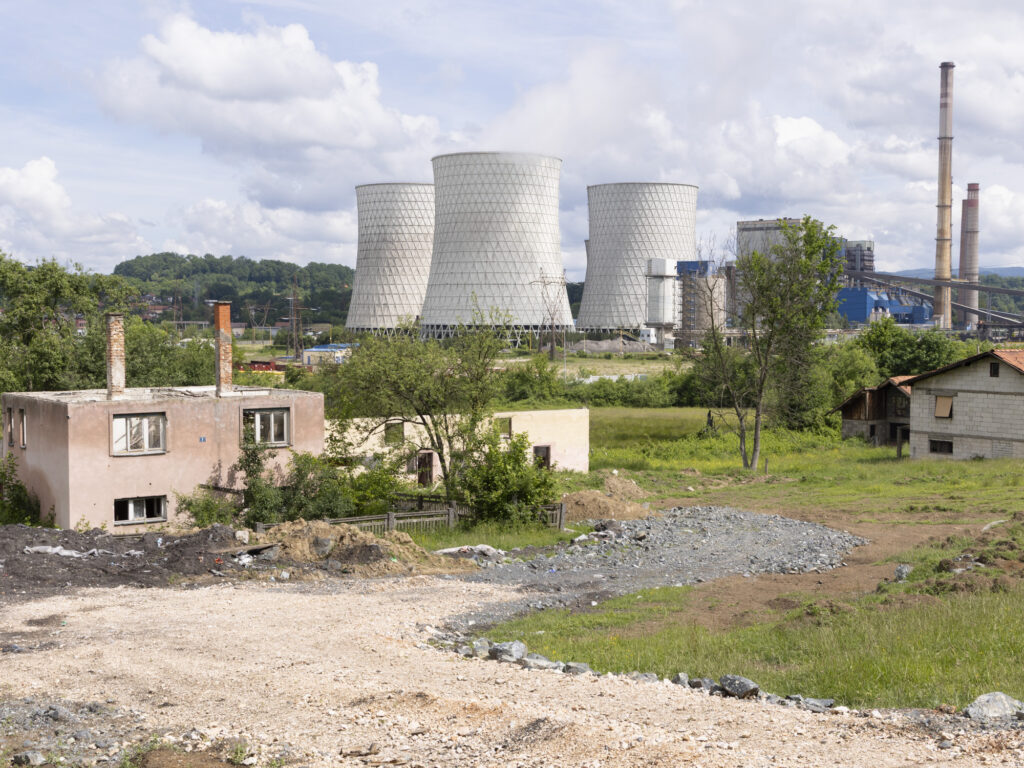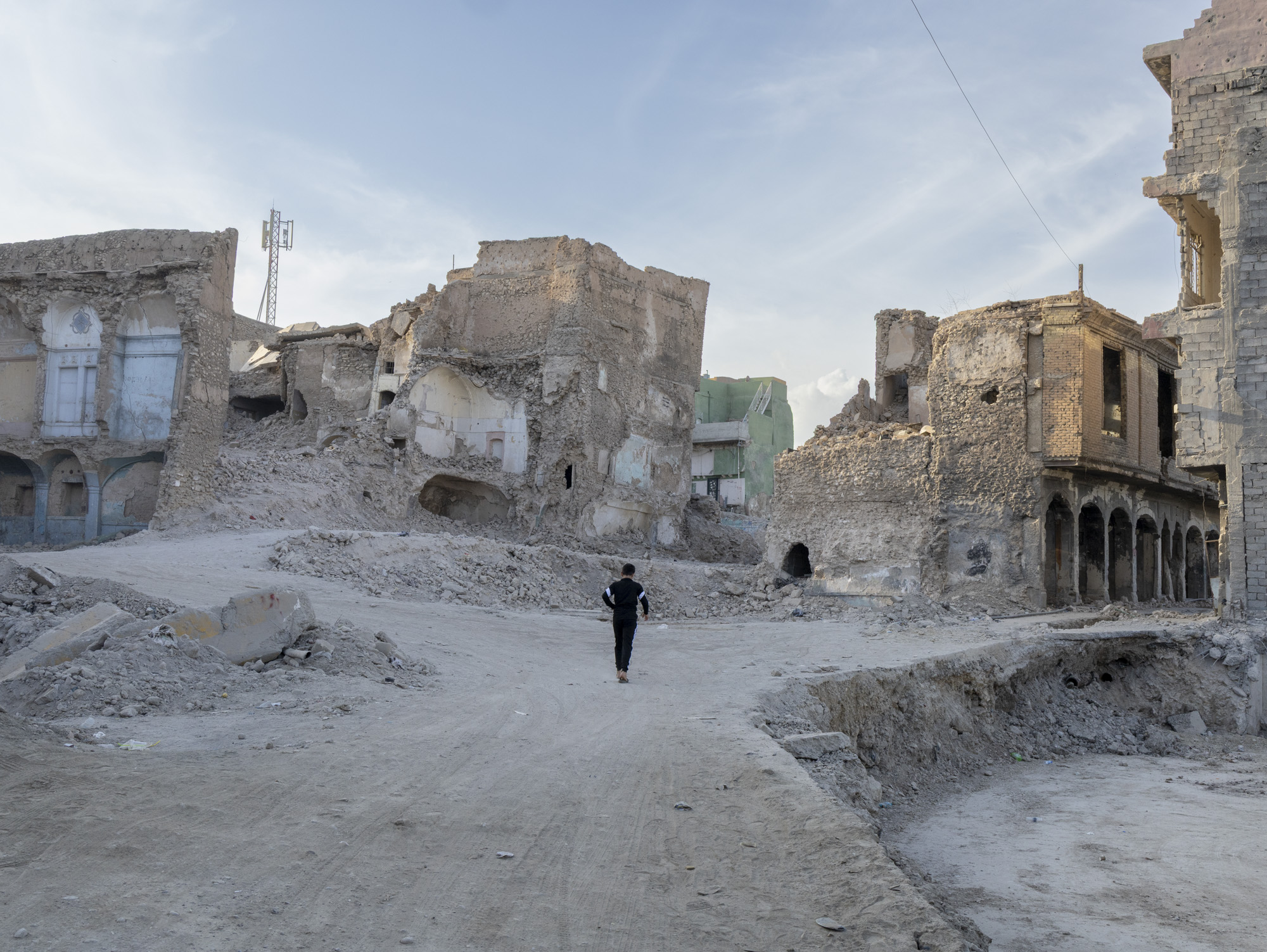
Between the sand and the rocky spines of northern Iraq, the Tigris and Euphrates rivers have flowed for millennia. Along their banks, entire civilizations have risen and vanished. Among the peoples who still inhabit this land, one has lived for centuries on the edge between survival and disappearance: the Yazidis. In 2014, they were victims of a systematic attempt at extermination by the Islamic State. Twelve years after the genocide carried out by ISIS, the Yazidi community remains trapped in a limbo of slowly emptying refugee camps, contested territories, and wounds that international diplomacy has failed to heal. Around 2,700 people are still missing, and returning to their lands in the Sinjar district remains uncertain. International aid is dwindling, and 2026 marks one of the most fragile moments in the recent history of one of the region’s oldest minorities. I first encountered this people in the spiritual heart of their faith, in the valley of Lalish.
The Lalish Sanctuary
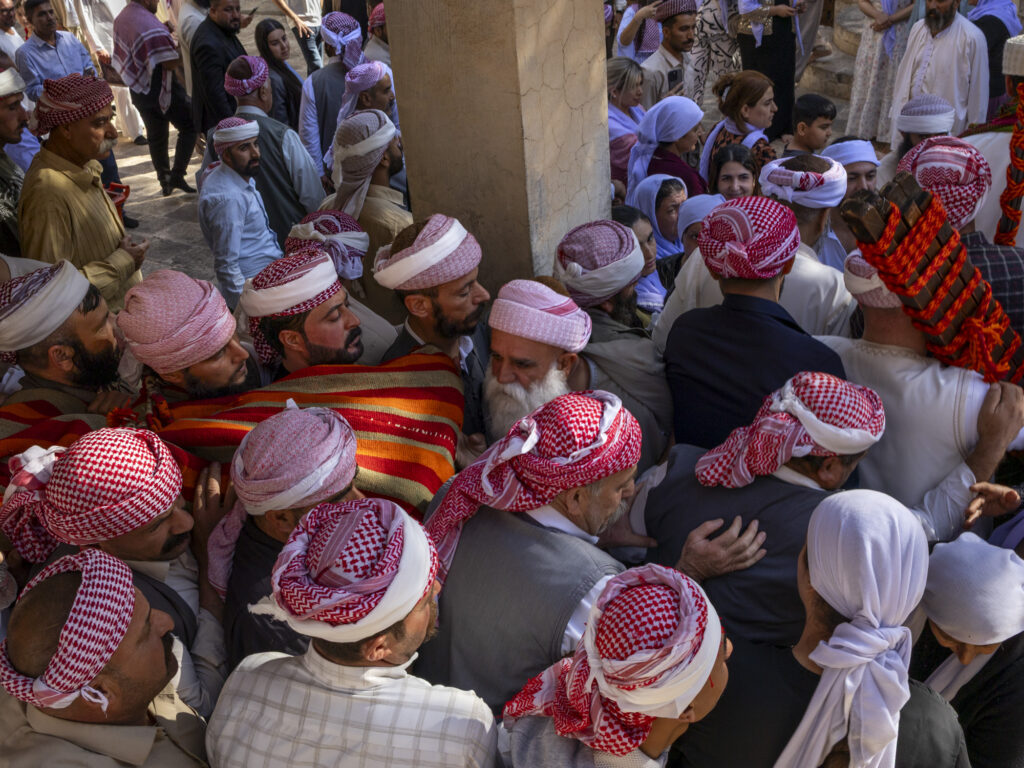
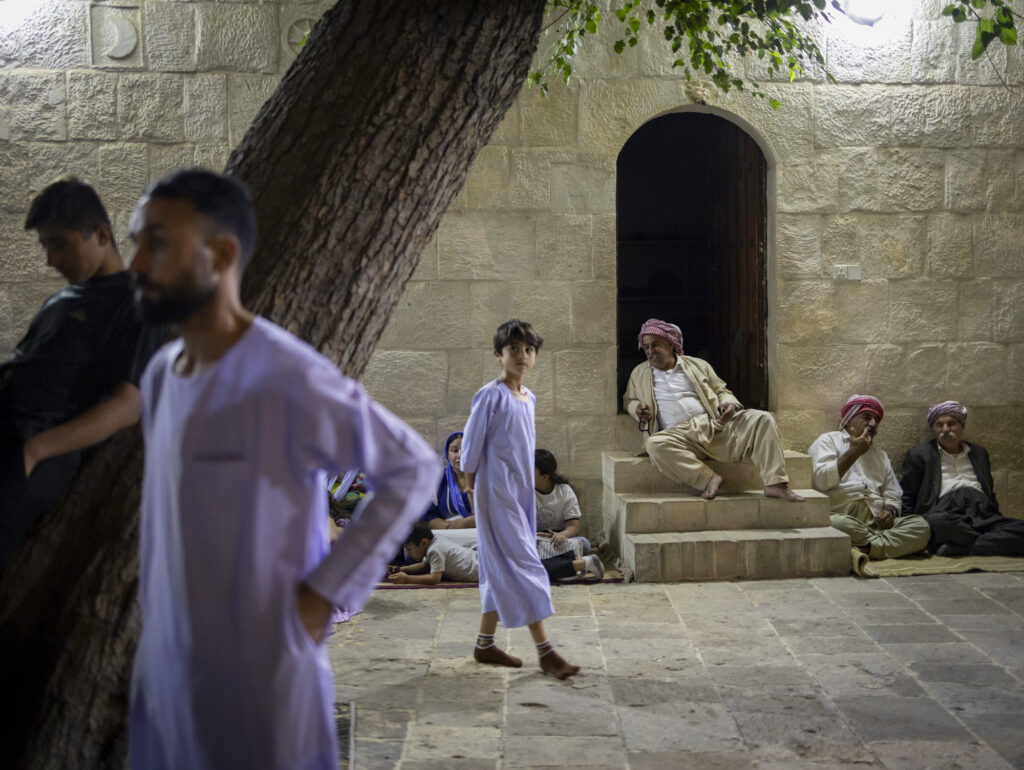
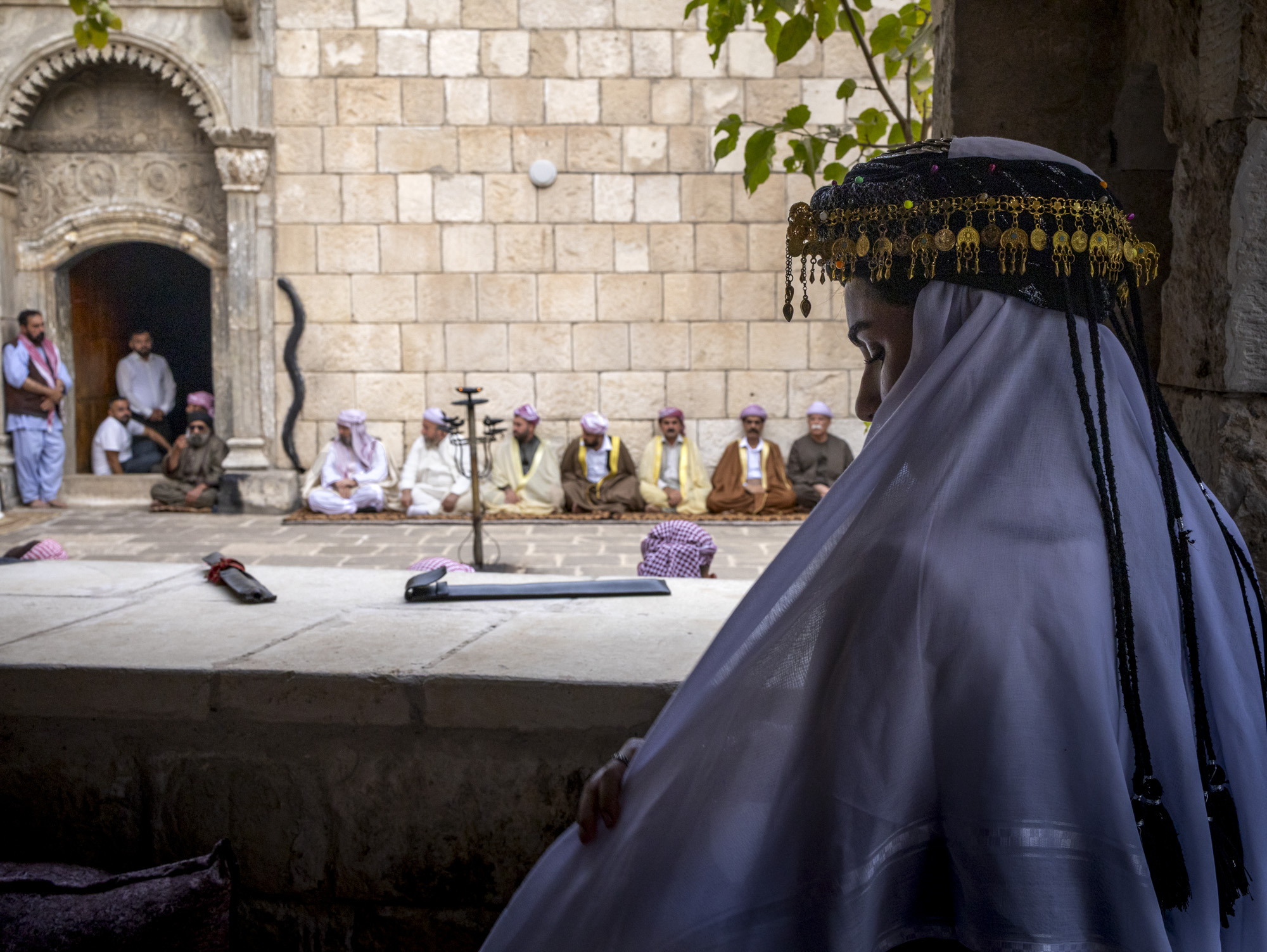
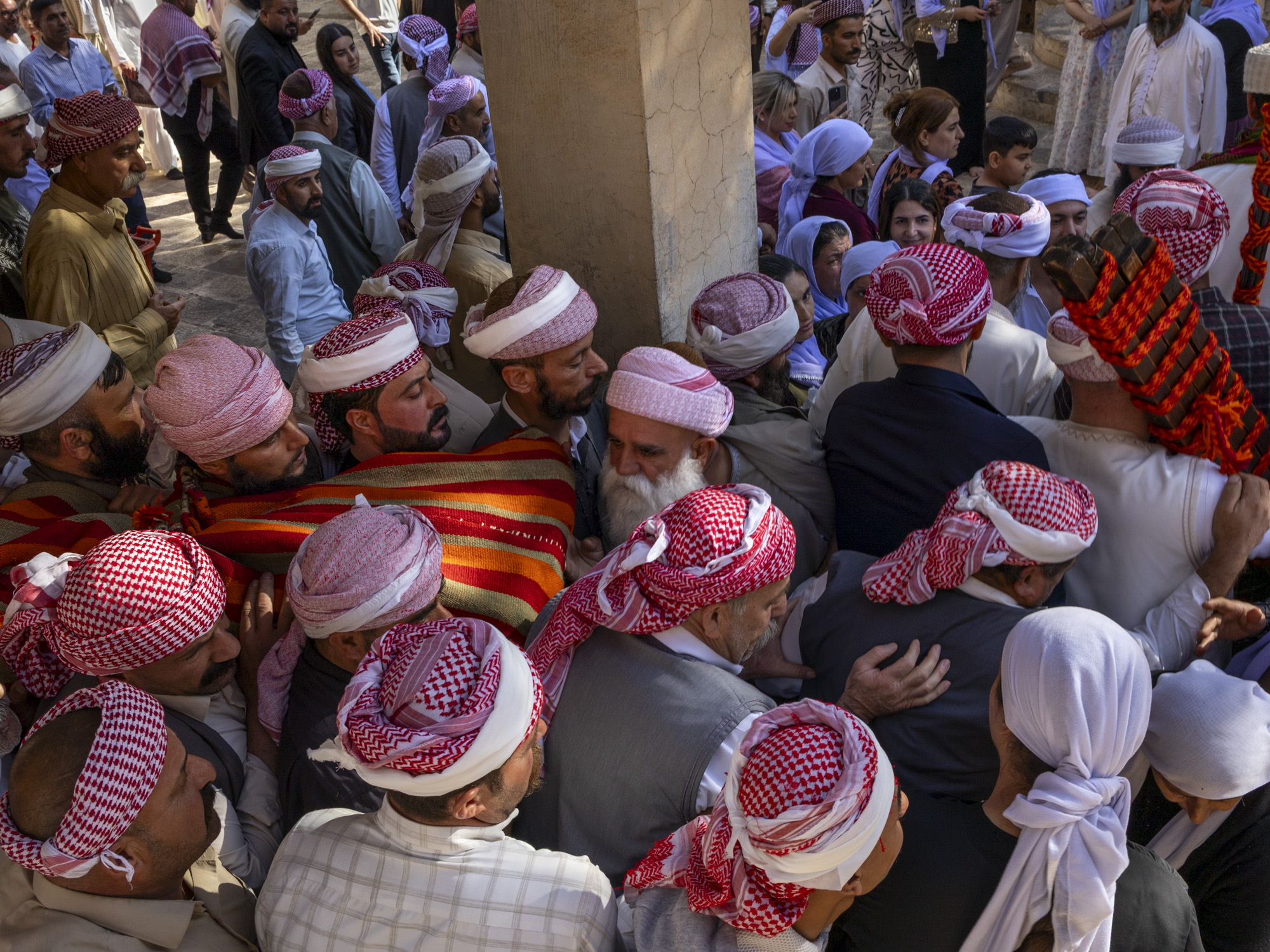
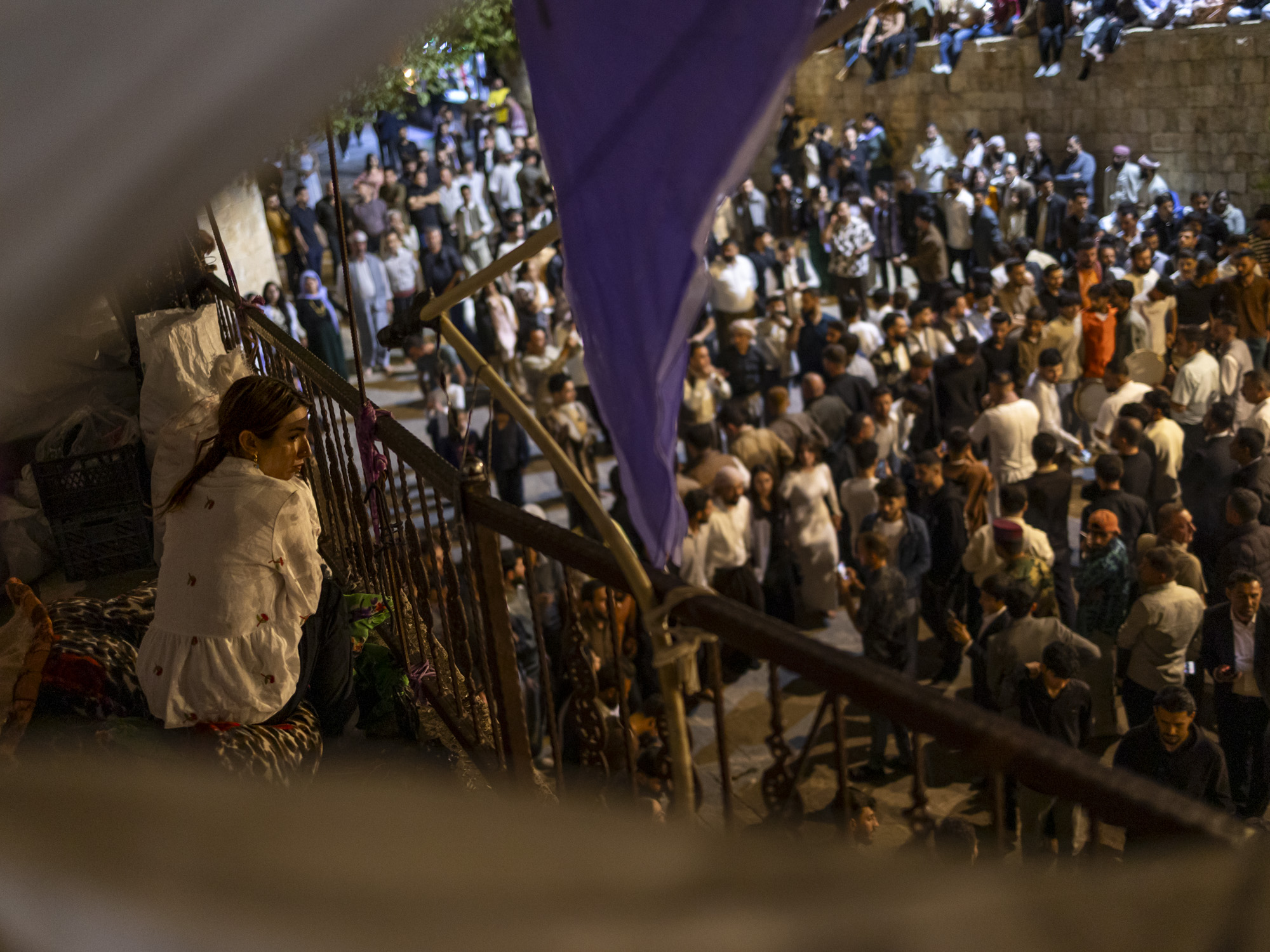
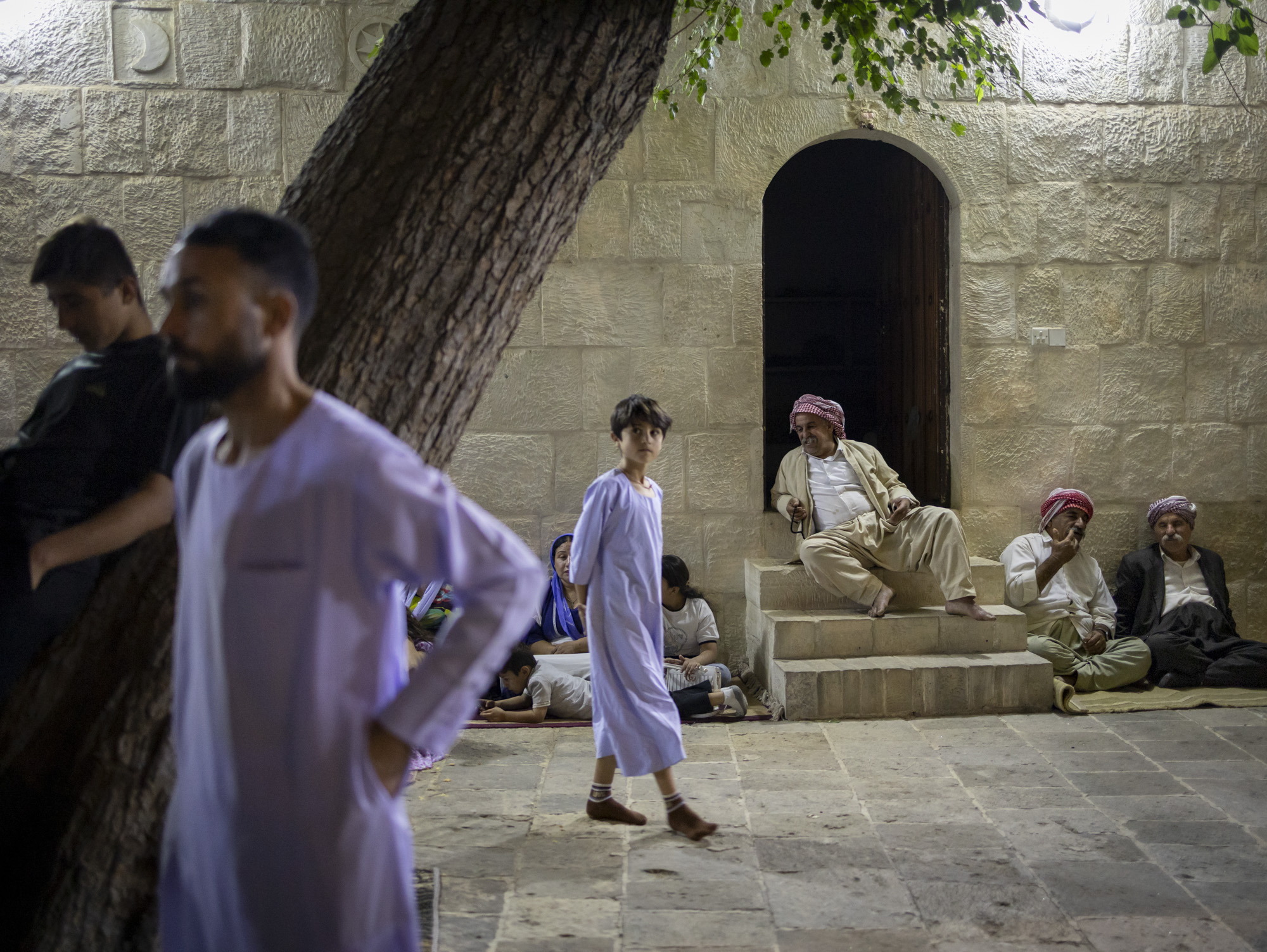
When I arrive, I don’t immediately understand what is happening. Already two kilometers from the village, the road is full of cars. People walk up the slope while others descend; car horns mix with voices. A group of blond-haired children falls in alongside me as I pedal slowly, waving and laughing. Cars move at a snail’s pace, and the crowd occupies every space. It is October 12, and I discover that I have arrived during the last days of the Cejna Cemayê, the most important celebration in the Yazidi calendar. Every year, for a full week, thousands of people come to Lalish to honor Sheikh Adi ibn Musafir, the Sufi mystic who arrived from Syria in the 11th century and shaped the Yazidi faith.
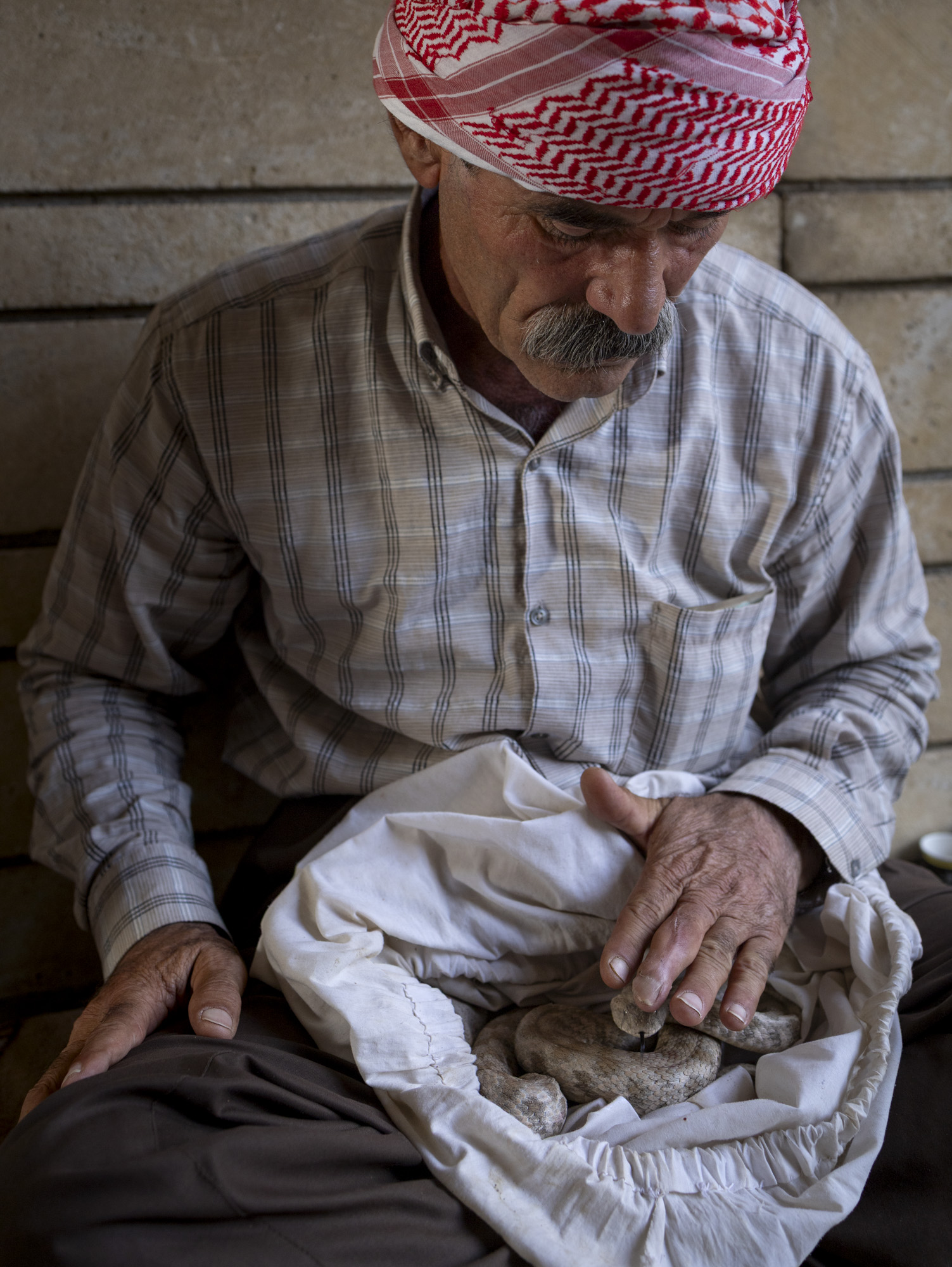
Their religion is an ancient mosaic, blending Mesopotamian, Zoroastrian, Christian, and Islamic elements. God entrusts the governance of the world to seven Holy Angels. The first and most important is Tawusî Melek, the Peacock Angel. He is also the figure who, for centuries, has fueled persecution against this people. According to Yazidi theology, Tawusî Melek refused to bow to Adam because only God deserves worship. In the traditions of other Abrahamic religions, the same story has been associated with Lucifer’s rebellion. From this misunderstanding comes the accusation, repeated over generations, that Yazidis are “devil worshippers.” This theological misinterpretation justified massacres, forced conversions, and campaigns of extermination. In Yazidi collective memory, seventy-four genocides are recounted.
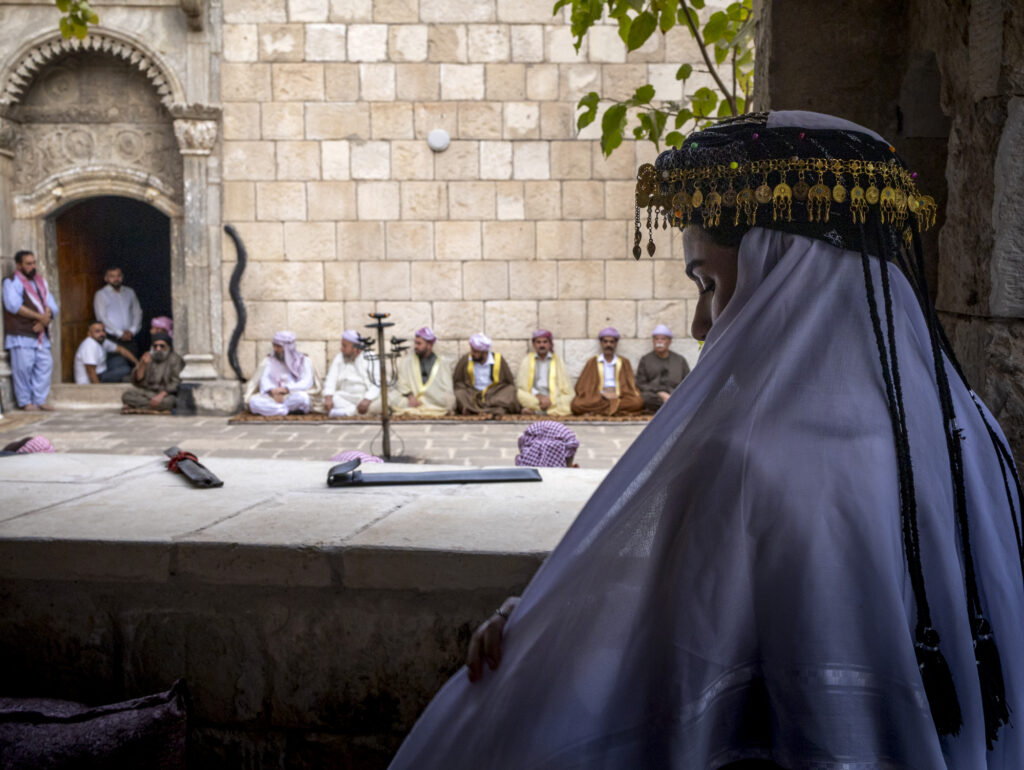
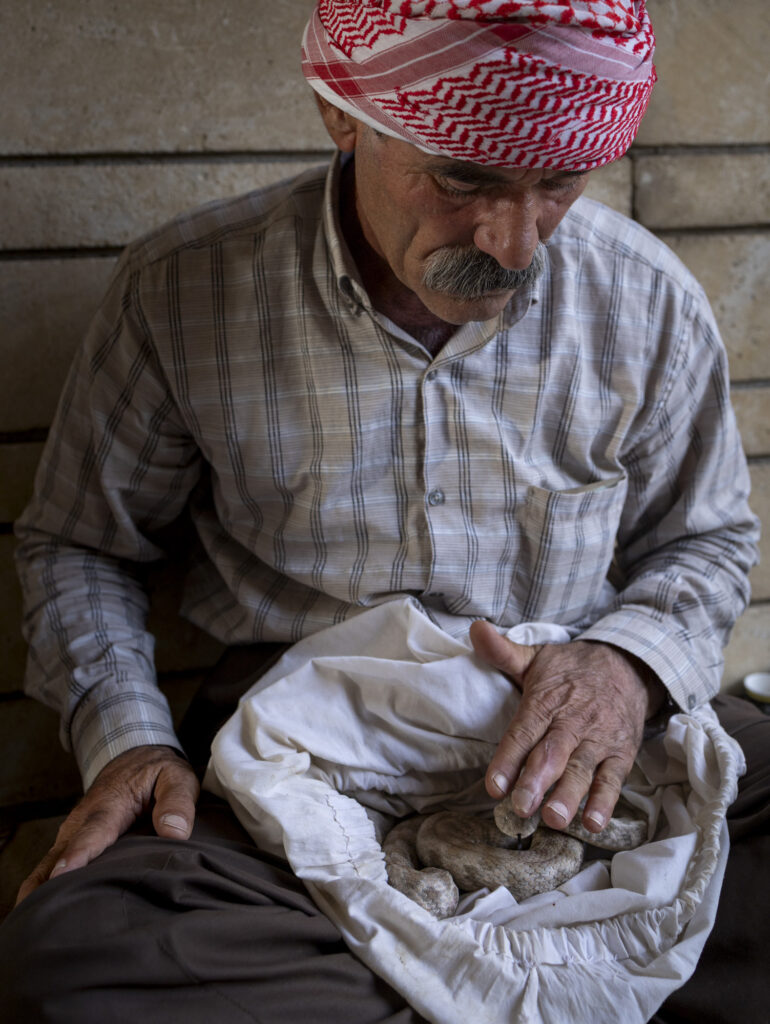
At Lalish, I leave my shoes at the sanctuary entrance. Here, everyone walks barefoot. A boy named Serekan, who doesn’t speak a word of English, decides to accompany me among the temples. In the main sanctuary, I am invited to perform a series of rituals: untie a cord, retie it, and kiss it; circle a large rock three times; walk through an almost completely dark hall in the belly of the mountain. Inside, there are no windows, and the electricity keeps cutting out. People pray in silence, enveloped in the scent of candles. At the exit, I am asked to throw a wet cloth at a rock step protruding from the wall. I close my eyes and throw—it sticks on the first try. Applause erupts around me.
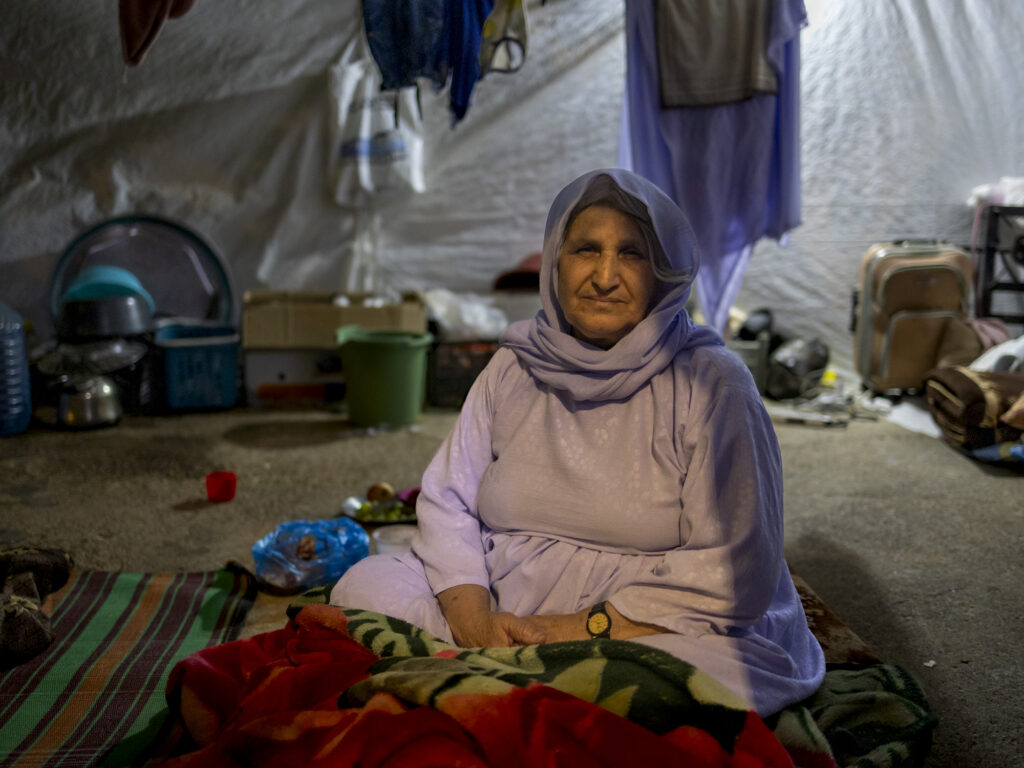
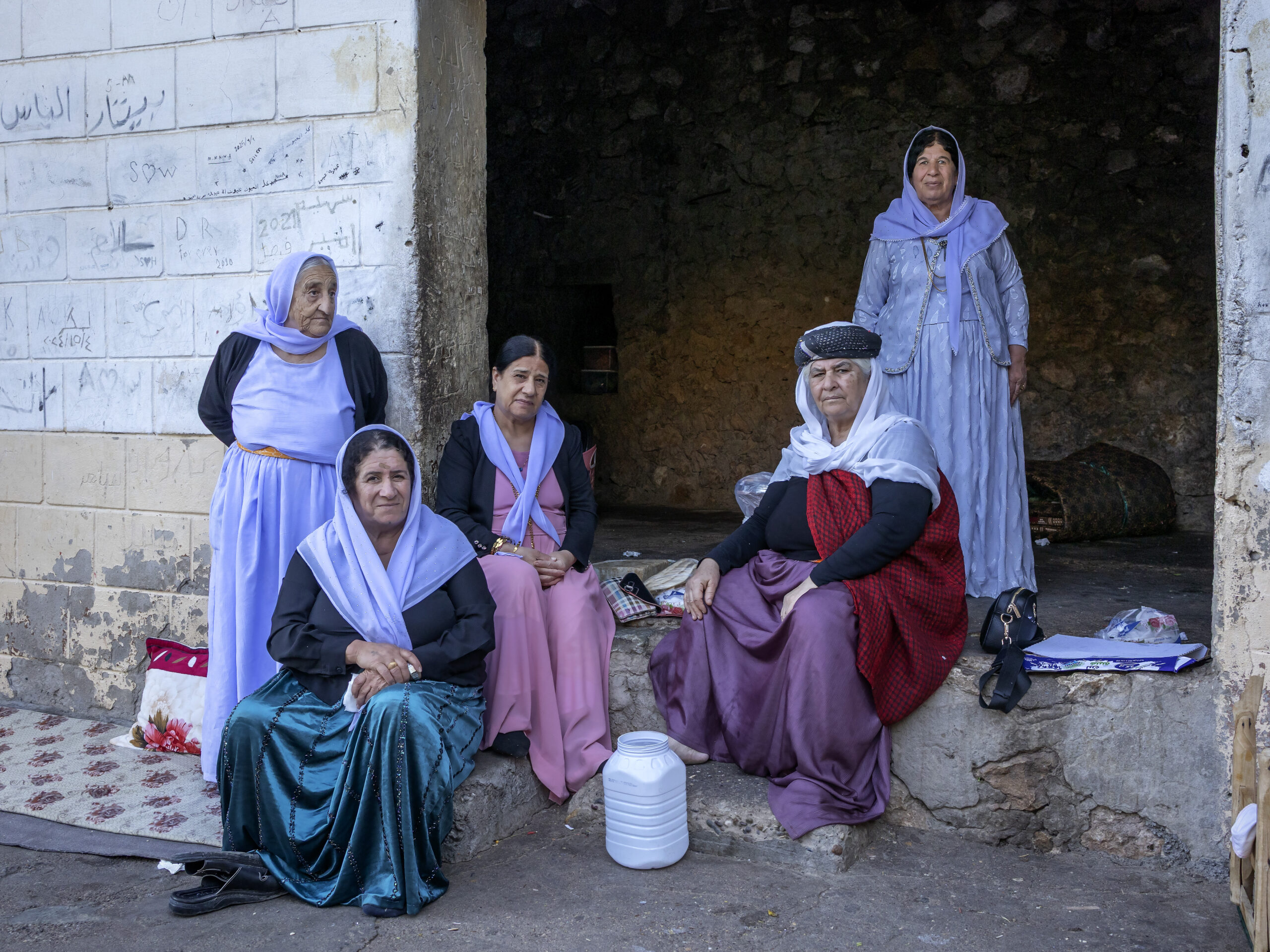
Outside, I meet Haji, a man in his fifties enlisted in the Peshmerga. He invites me into his family’s tent for tea. Like many other families, they have been camped here for days to participate in the celebrations. Soon, I find myself having dinner with him and his friends: a Kurdish policeman, an Iraqi police officer, a soldier in the federal army, and several Peshmerga. For many Yazidis remaining in Iraq, joining the security forces is one of the few ways to earn a stable salary. It is a choice fraught with painful contradictions. In 2014, when the Islamic State advanced toward Sinjar, the very Peshmerga forces tasked with defending the area suddenly withdrew, leaving the population unprotected. Yet for many young Yazidis, the army remains one of the few avenues of survival.
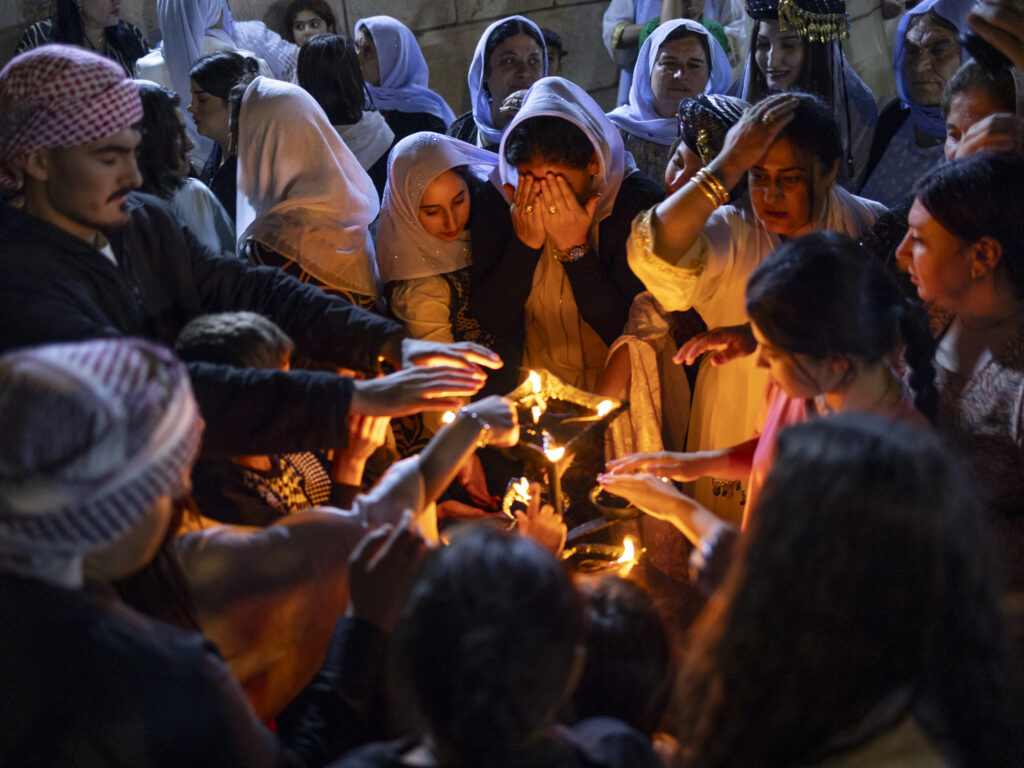
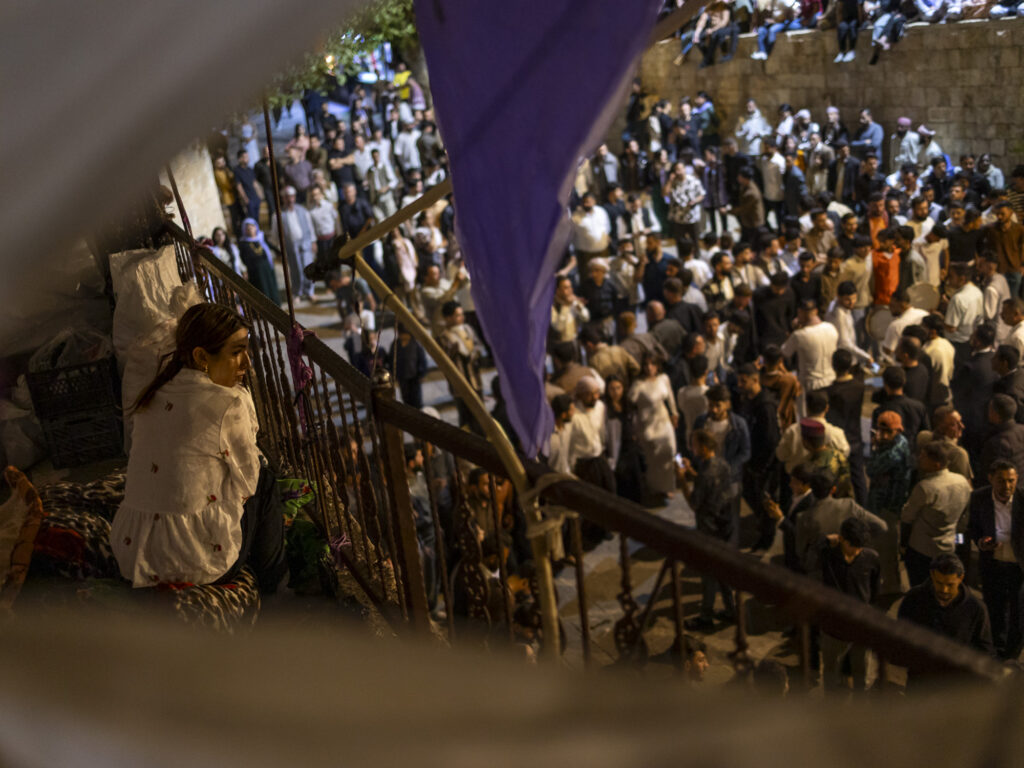
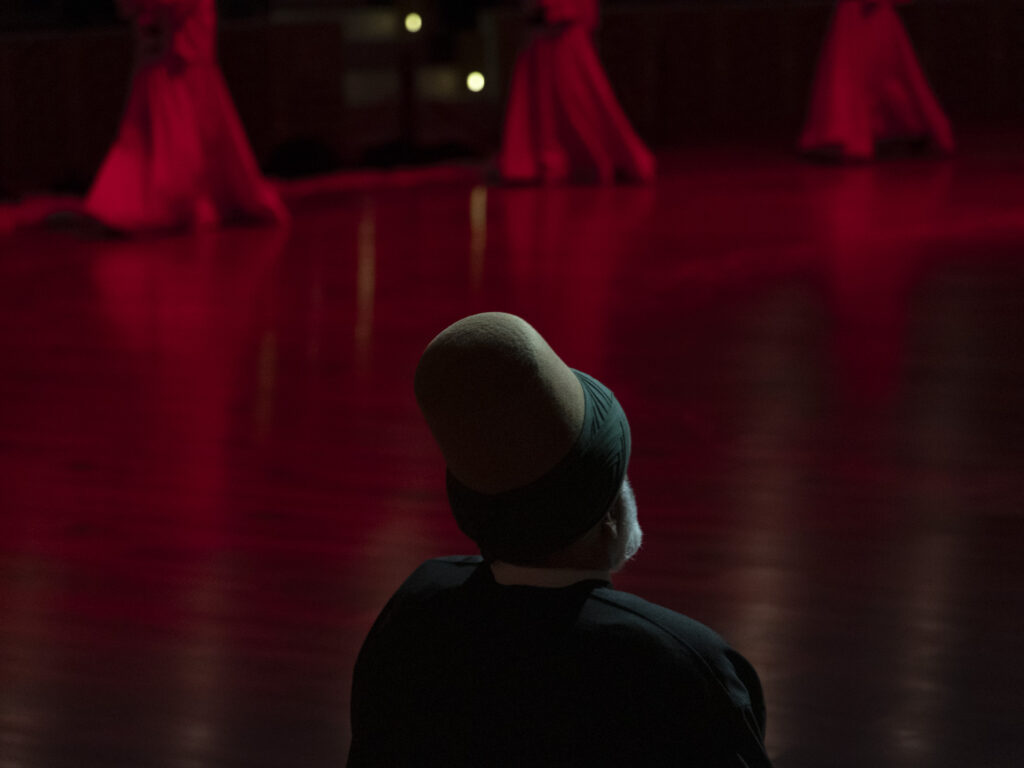
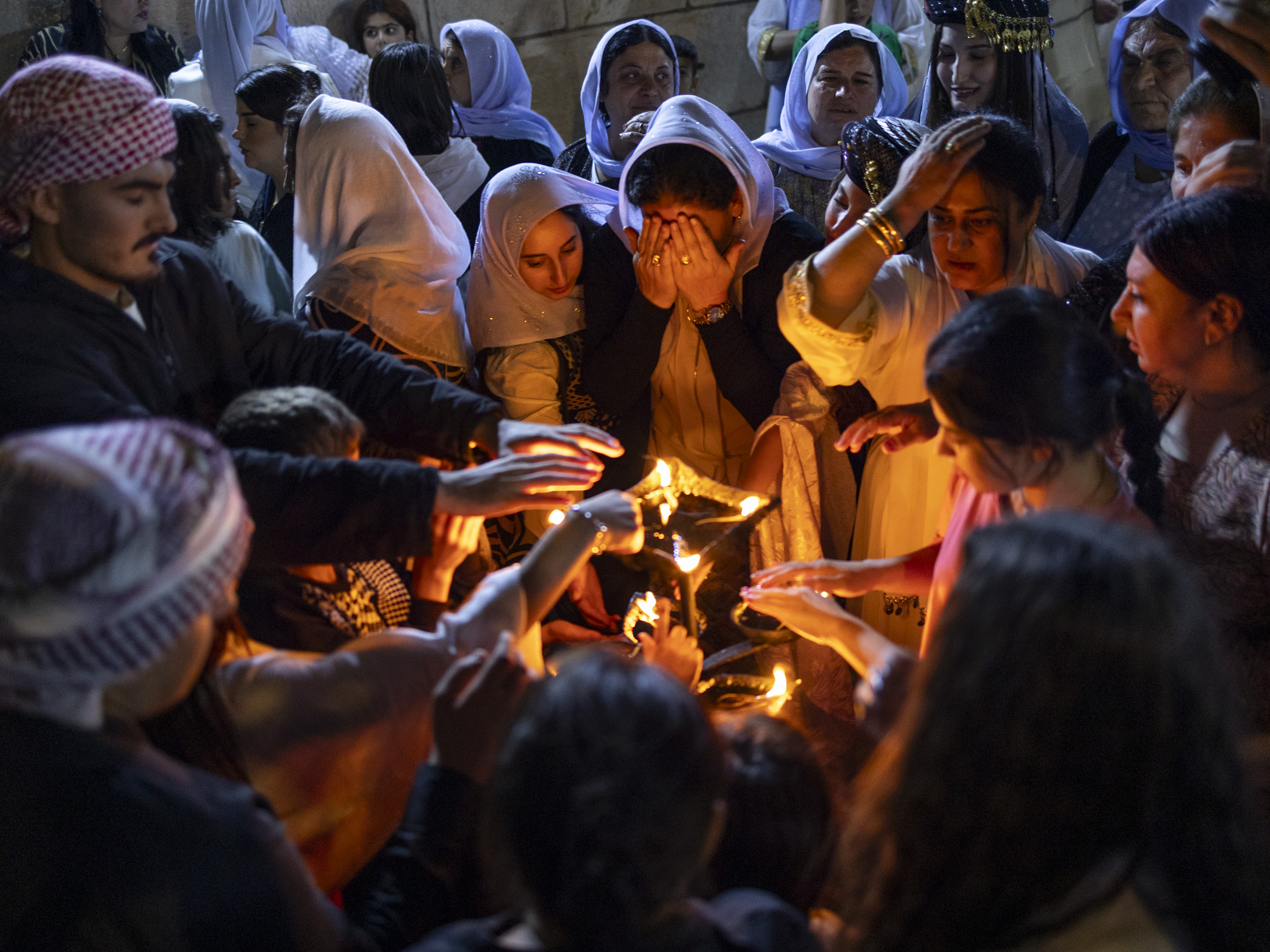
In the evening, in the courtyard of the main temple, hundreds of people wait for the ceremonies to begin. The doors close, and the sound of a flute cuts through the silence. Photography is strictly forbidden: guards monitor the crowd while people climb ladders and rooftops to watch the ritual. When the music subsides, the crowd flows toward the Sanjaq, the sacred banner on which small flames burn. Worshippers pass their hands over the fire and then to their faces. Soon after, the ceremony turns into a celebration. Drums, dances, songs. In a few hours, I shake perhaps two hundred hands.
The Black Saturday
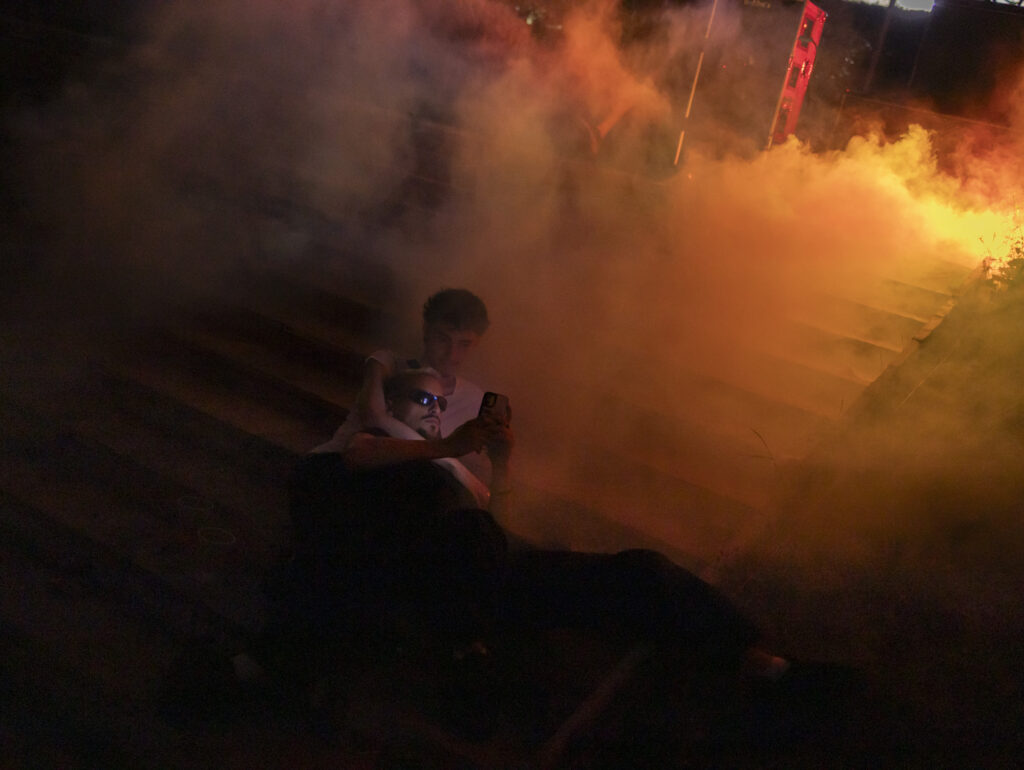
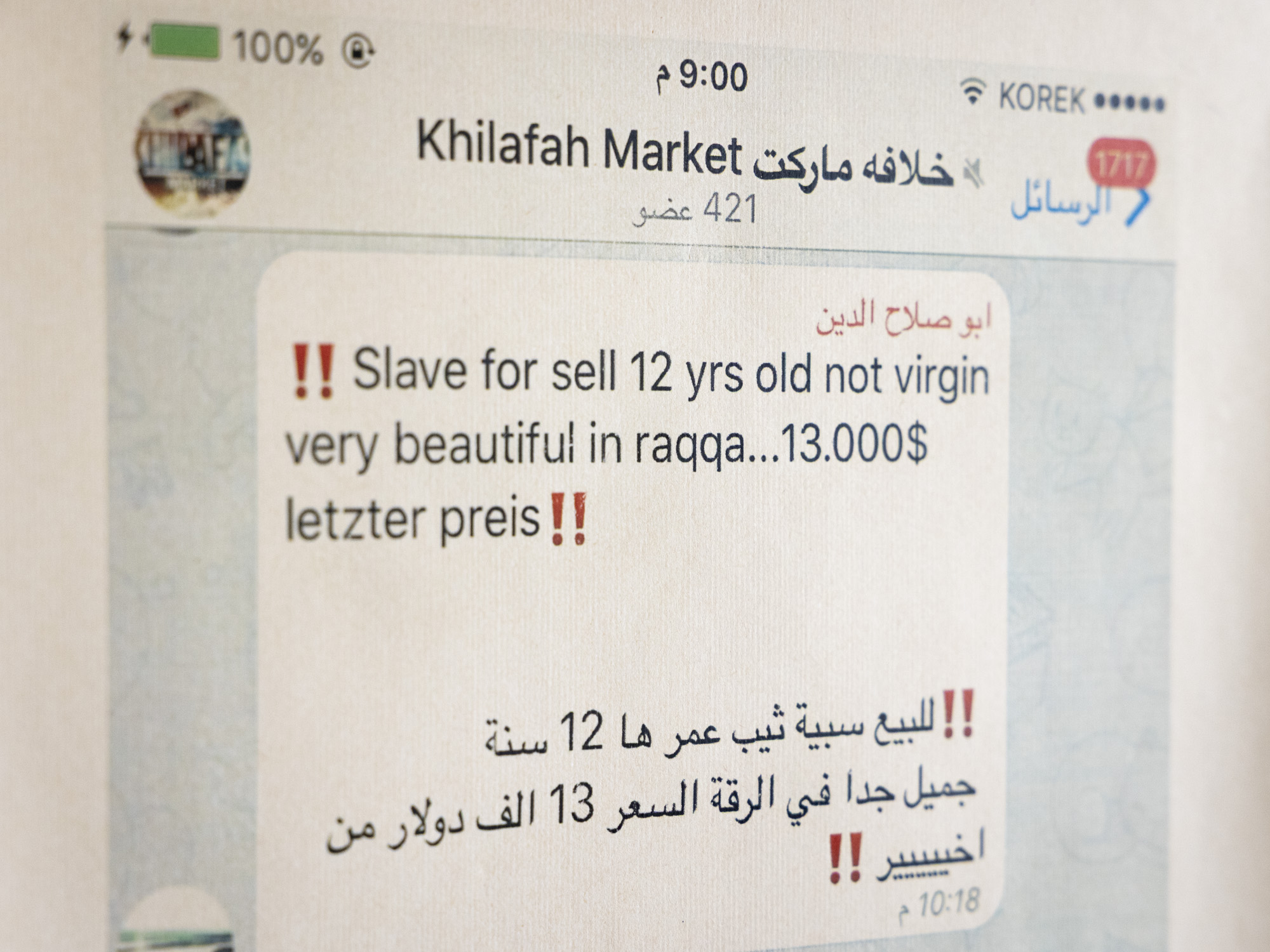
While the festival fills Lalish with music and pilgrims, it is impossible to ignore the shadow that still hangs over this people. Later, I sleep on a meadow outside the village with three young men: Zydan, Jovan, and Saadi. The flame of an oil well illuminates the makeshift camp where we have pitched our tents. It is there that Zydan tells me his story. When the Islamic State militants attacked Sinjar, on the day Yazidis call “Black Saturday,” he was in his village. The men were executed on the spot, the elderly women killed shortly after, the younger women kidnapped and turned into sexual slaves. Children were separated from their families.
“I stayed on the mountain for seven days,” he says. “Without food and without water.” Only when PKK fighters opened a corridor toward Syria was he able to escape. In the first days of the offensive, over ten thousand people were killed or kidnapped, and nearly four hundred thousand were forced to flee. More than eighty mass graves have been discovered in the following years. The tragedy found an international voice in Nadia Murad, a survivor of sexual slavery and one of the main witnesses to the genocide. In 2018, she was awarded the Nobel Peace Prize. But justice remains incomplete.
The Search for the Missing
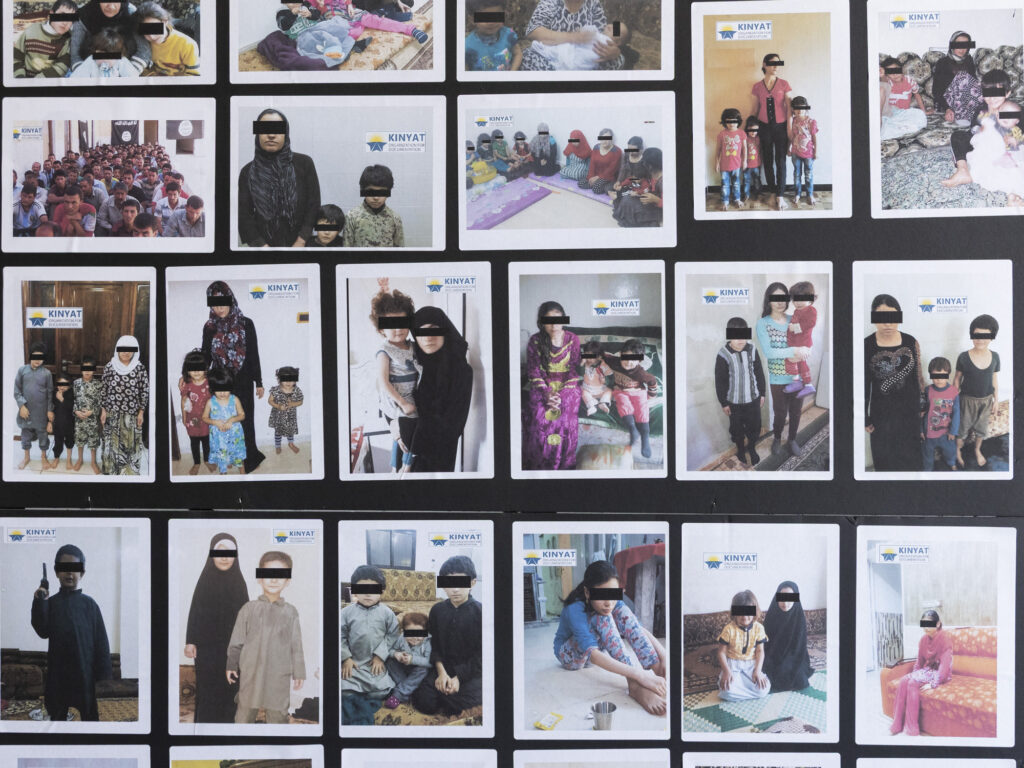
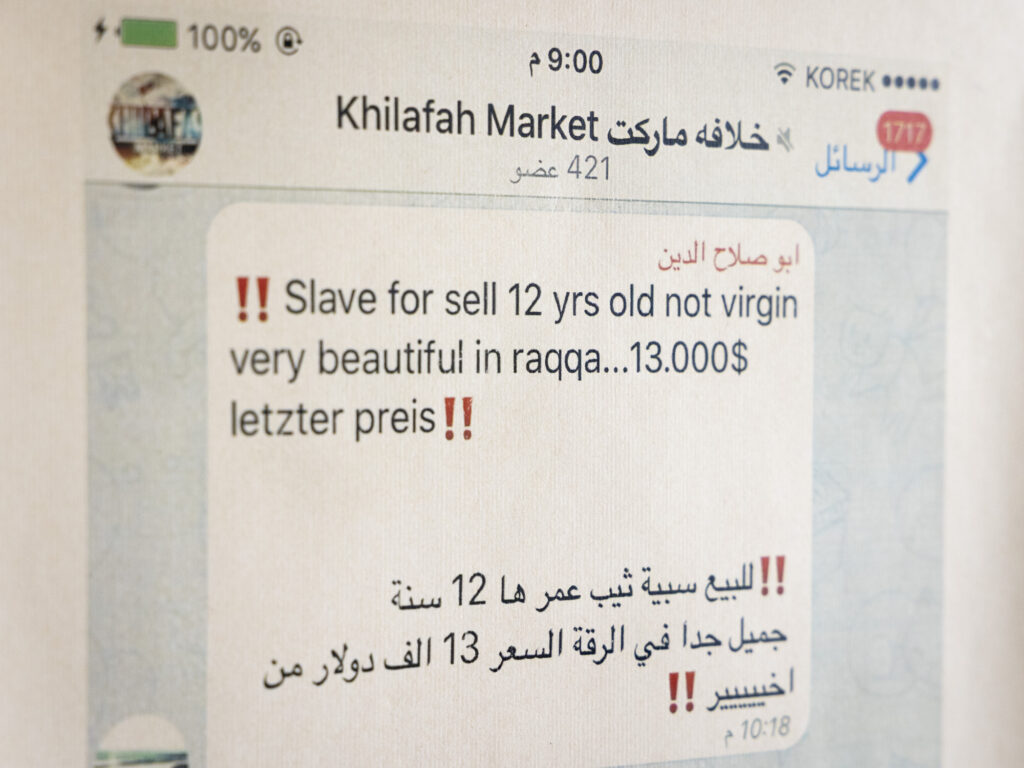
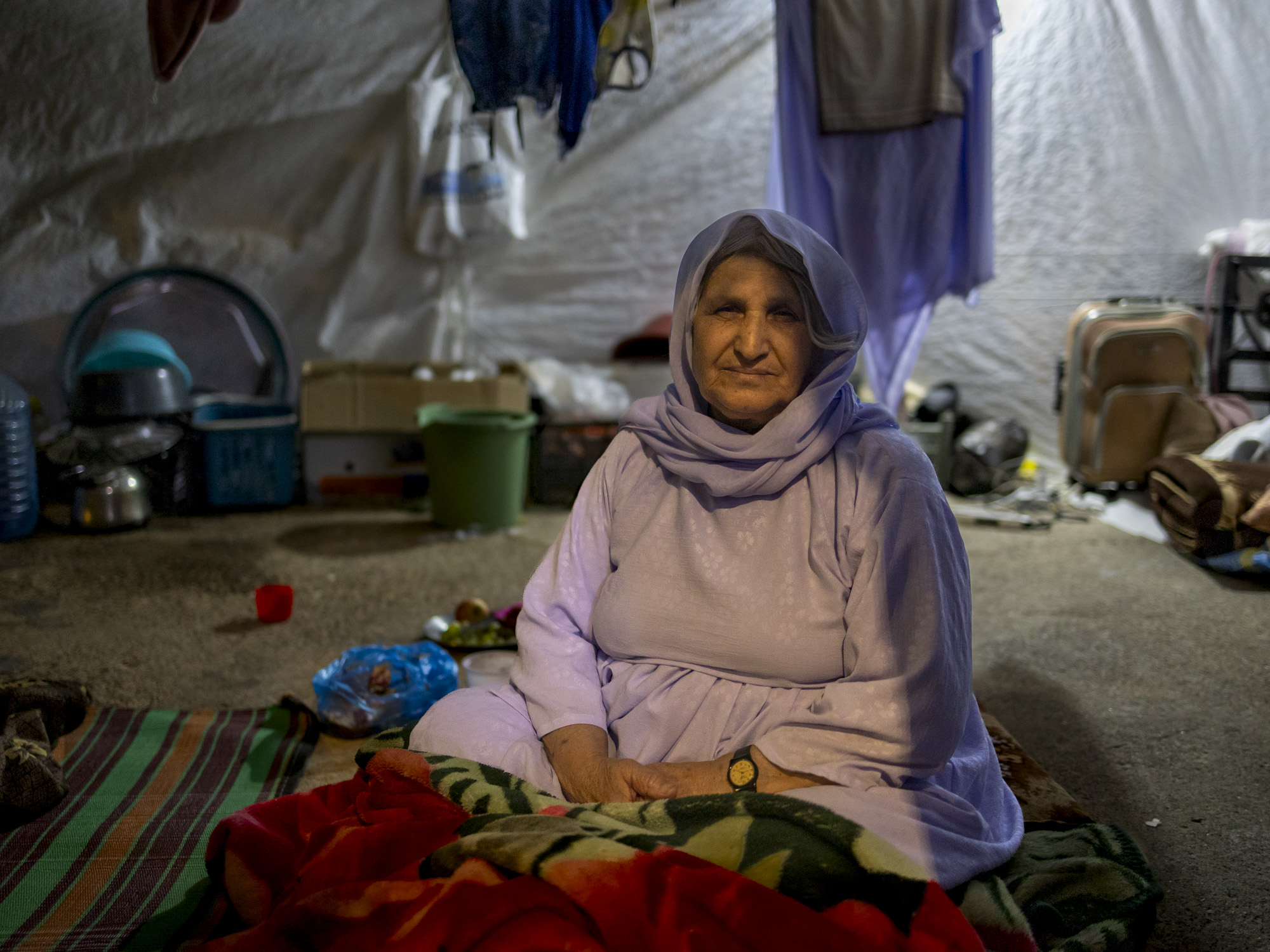
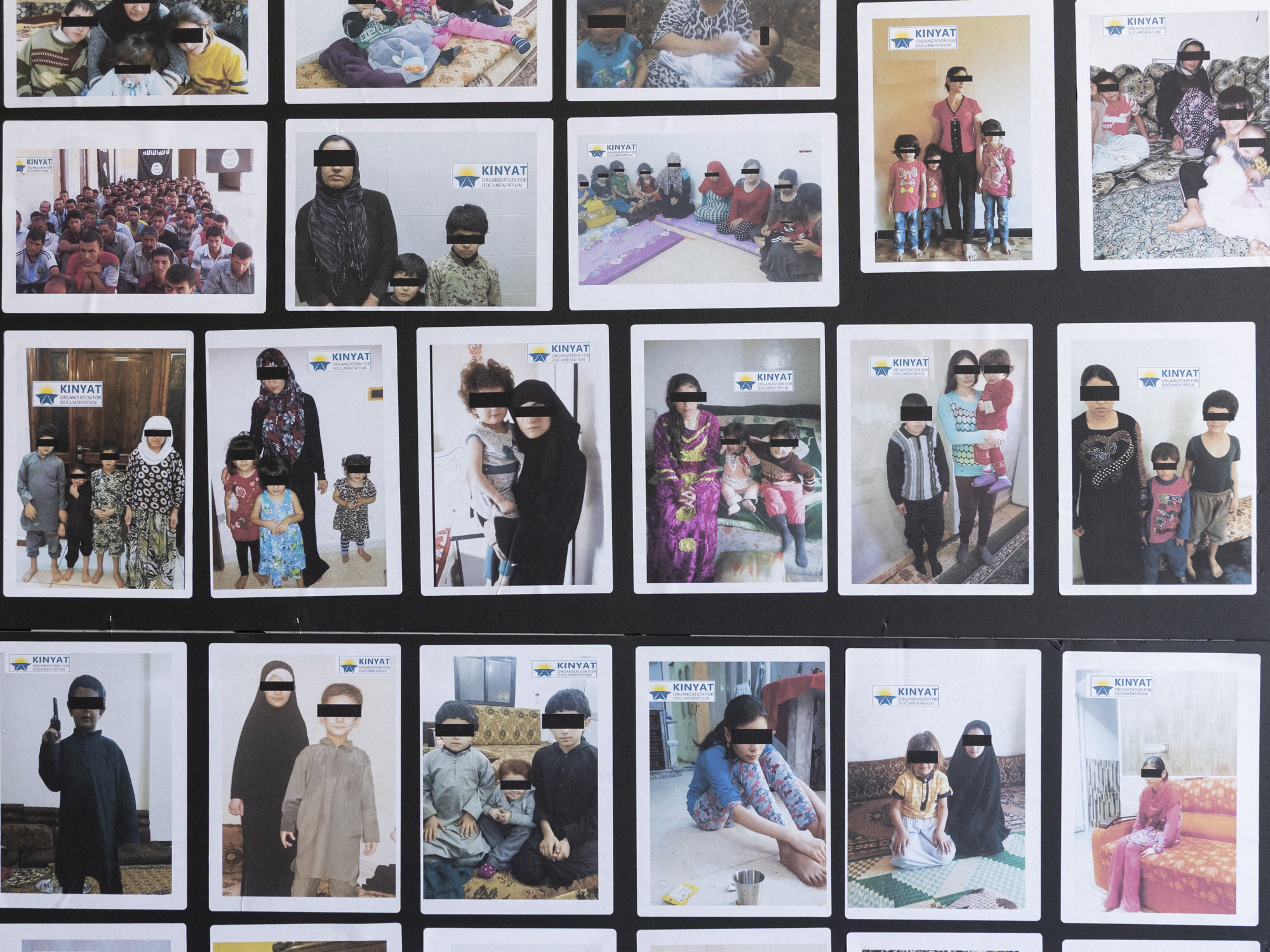
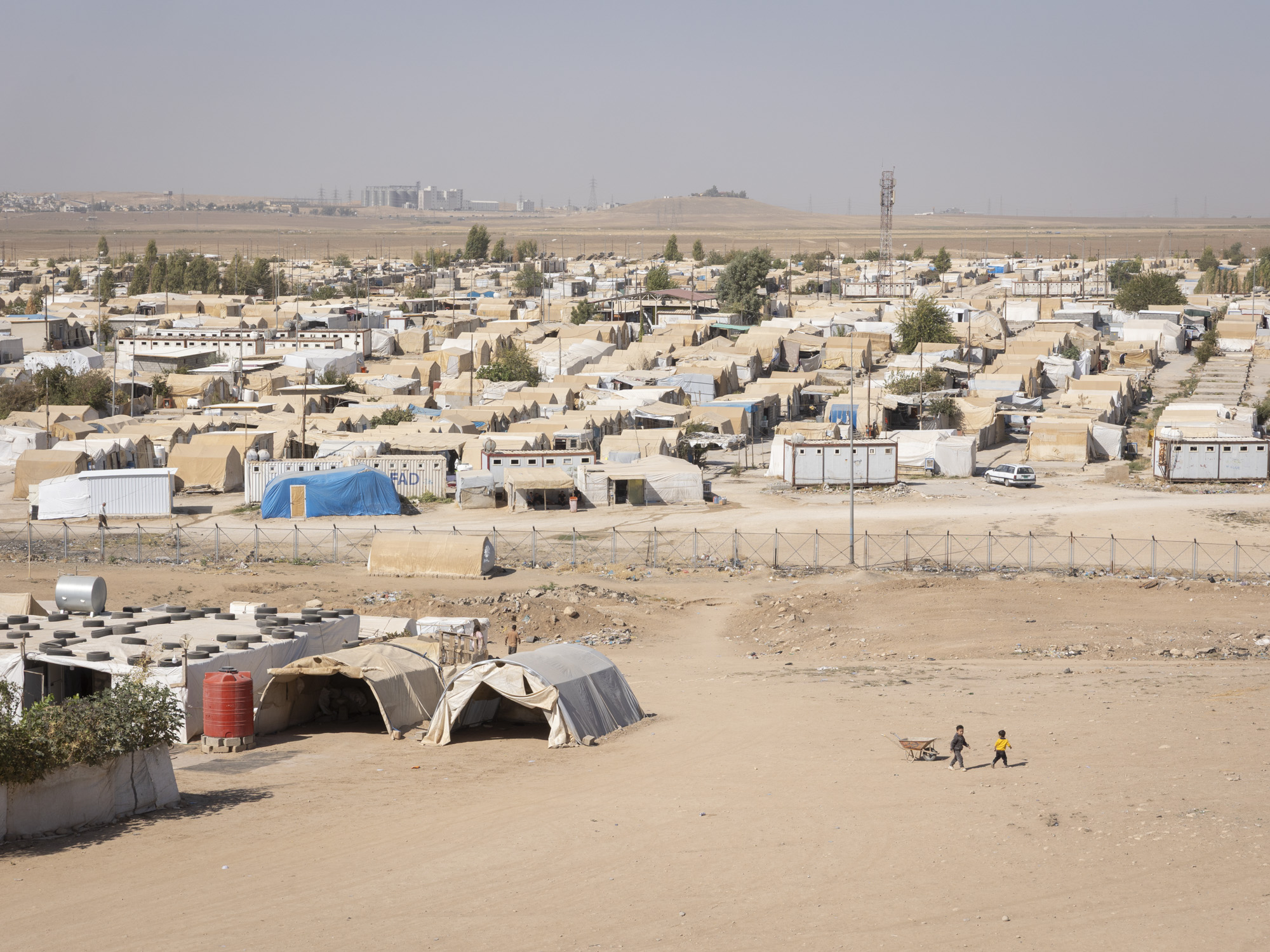
Twelve years later, the genocide is far from over. Thousands of people are still missing. In the Sharia refugee camp, near the city of Duhok, I meet the NGO KINYAT. In 2025, more than twelve thousand Yazidis still live there. The office walls are covered with photographs: women, children, teenagers. Some have been found, others remain missing. Since 2016, the organization has infiltrated ISIS-linked human trafficking networks to locate prisoners and negotiate ransoms. In nine years, they have managed to free fifty-six people. Yet around 2,700 remain missing. Many were one or two years old when they were kidnapped. Today they are teenagers raised in jihadist families, often with no memory of their Yazidi origins. Among the photographs, I also notice mothers with their children—children born from the violence endured during captivity. For them, life remains suspended in limbo. Yazidi doctrine requires that both parents be Yazidi for a child to belong to the community. According to Iraqi law, however, they are automatically registered as Muslims. Many women face an impossible choice: abandon their children or live at the margins of their own community.
The Impossible Return
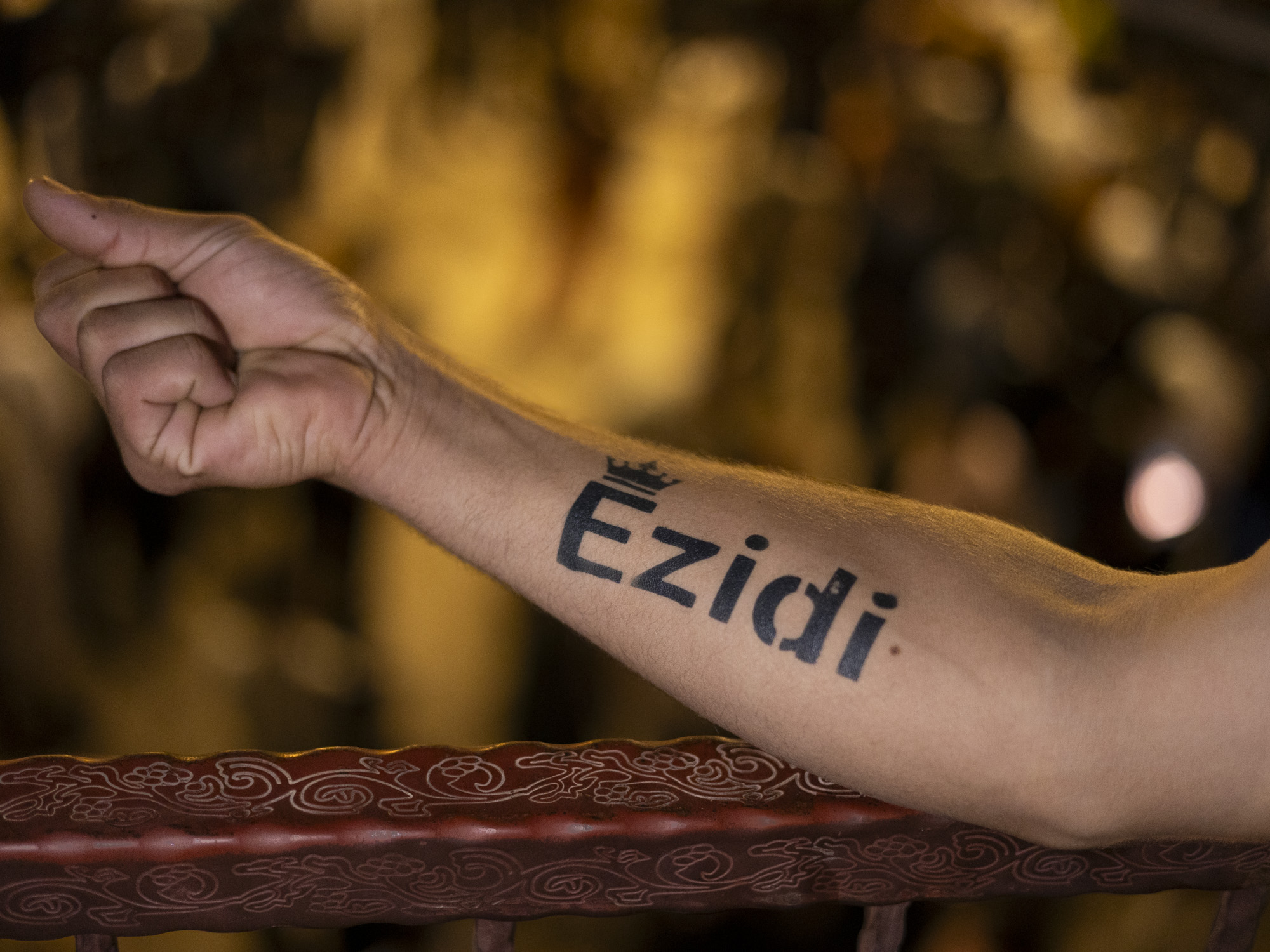
Today, the Yazidi population worldwide is estimated between eight hundred thousand and one million. A large diaspora lives in Europe, especially in Germany, but the heart of the community remains in Iraq. In Lalish, I also meet Helin. She is twenty-one and comes from Sinjar. On the day of the ISIS attack, she was ten.“I would like to go to Europe and study,” she tells me. “Study a lot. We Yazidis mean nothing to anyone. We have no rights. It’s a sad life.” Then she falls silent and only asks me: “Will you come to Sinjar?”On my last night in Lalish, the village slowly empties. Families dismantle their tents and bid farewell to the temples before leaving. In the dark sky, the flame of the oil well continues to burn over the valley. I am about to leave the sanctuary when a little girl runs toward me. She fills my hand with sunflower seeds and runs away laughing. I remain standing with those seeds in my palm as the valley empties and the last families depart Lalish.In this land, the Yazidis have counted seventy-four genocides. The last one is still ongoing. Yet every year, they return here, to the valley of Lalish, barefoot among the temple stones, reigniting the same flames and repeating the same rituals. Perhaps their story is all about this: continuing to return.
Read this and other stories about Iraq in Iraq: 10 Photographs, 10 Stories
This project is reader-supported.
If you’d like to support independent slow reportage from the road and receive field notes, unpublished photographs and behind-the-scenes writing from the journey across Asia by bicycle, you can join the project on Substack.
You can also support the journey directly via PayPal or Ko-fi.