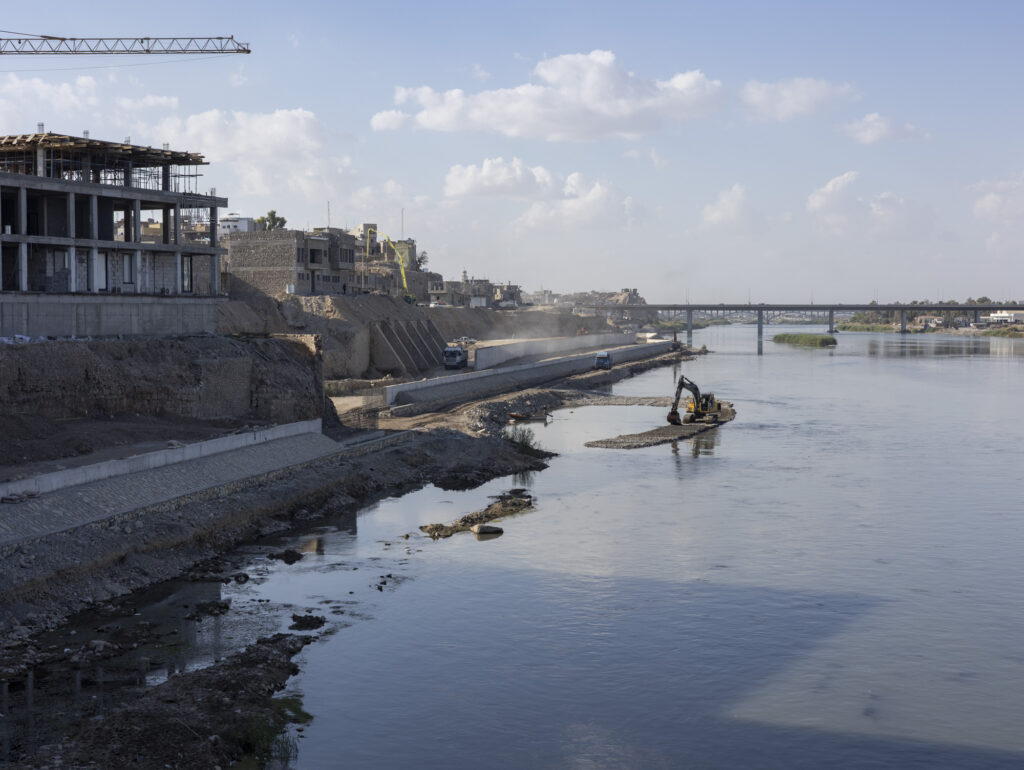
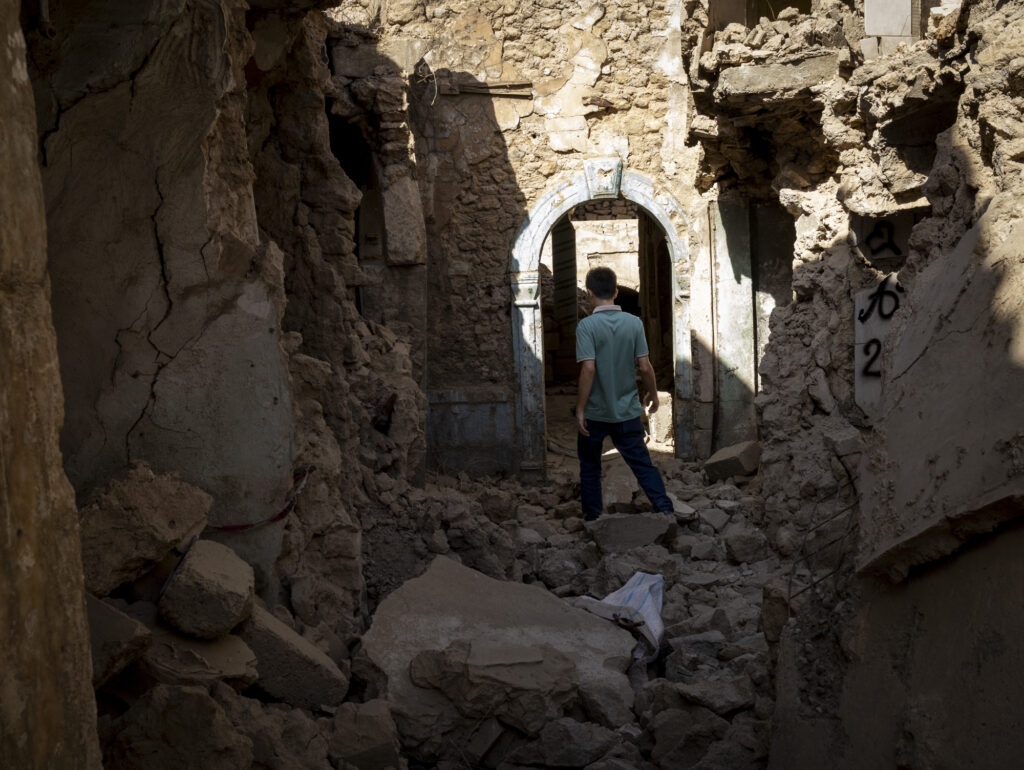
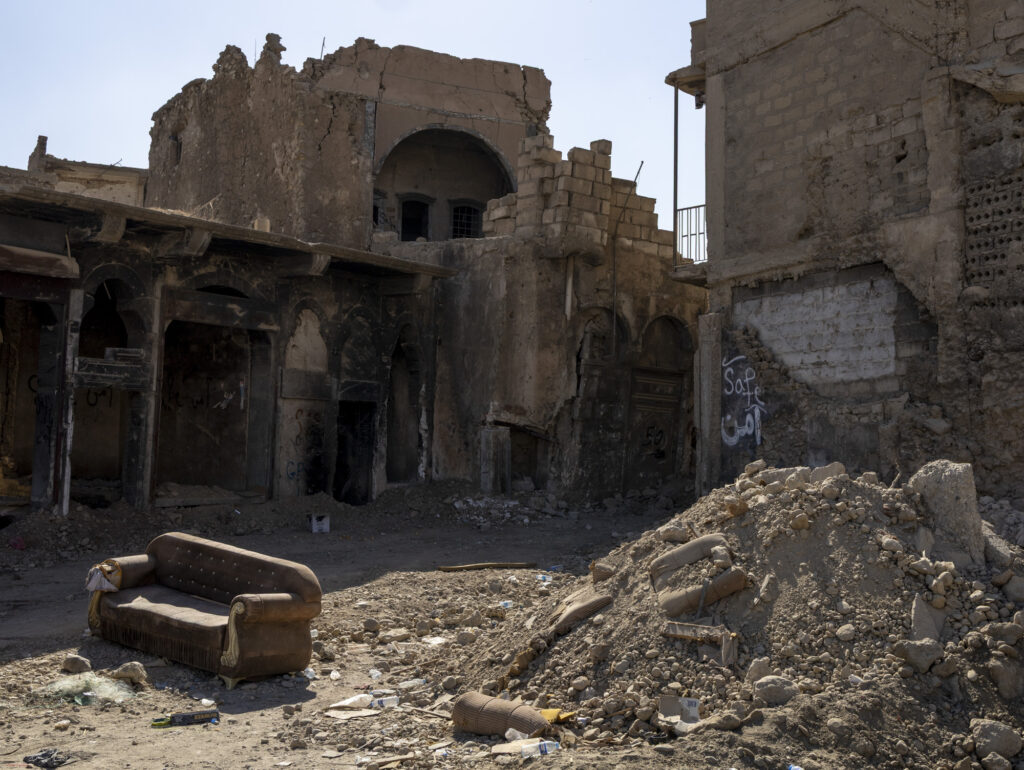
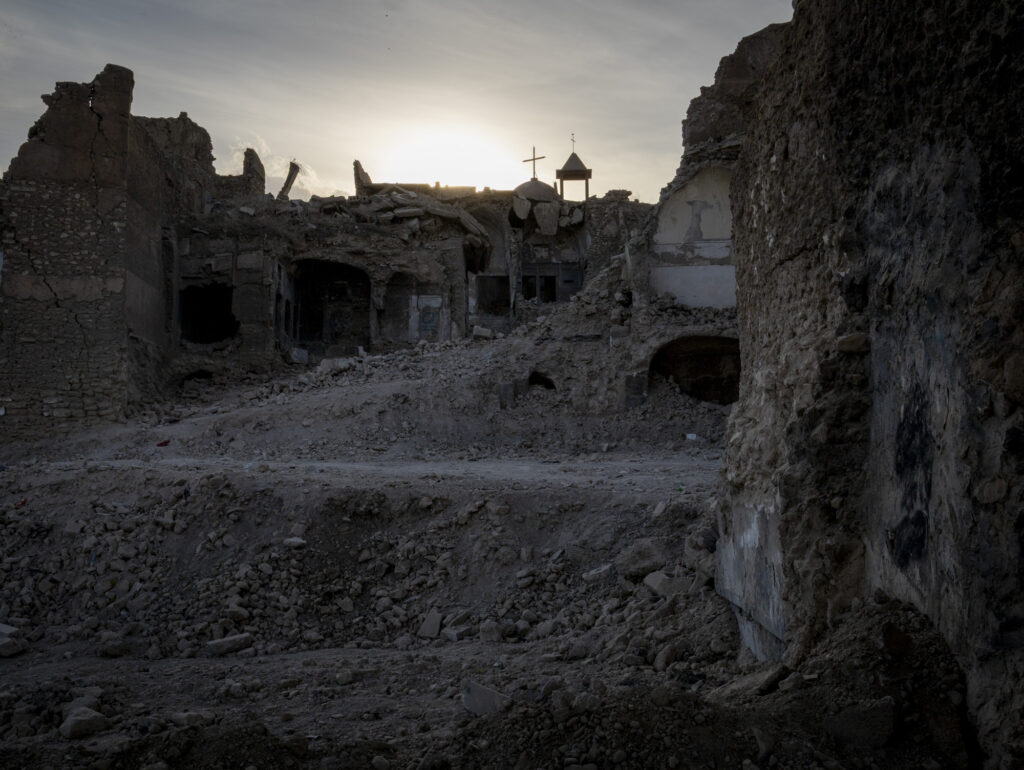
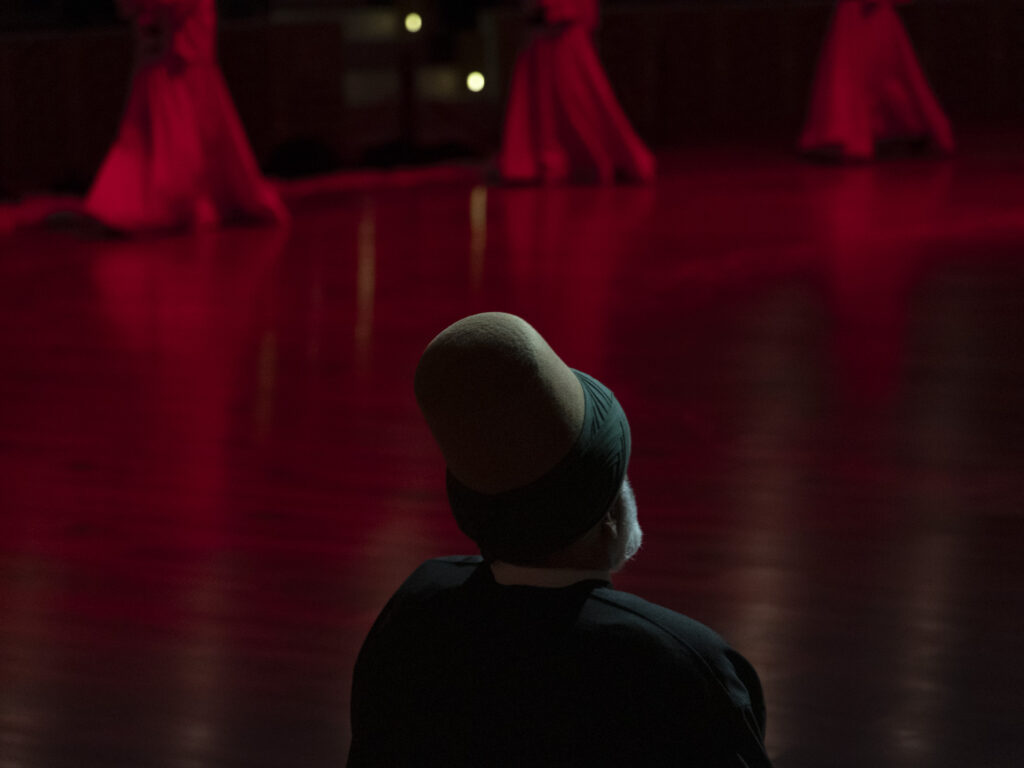
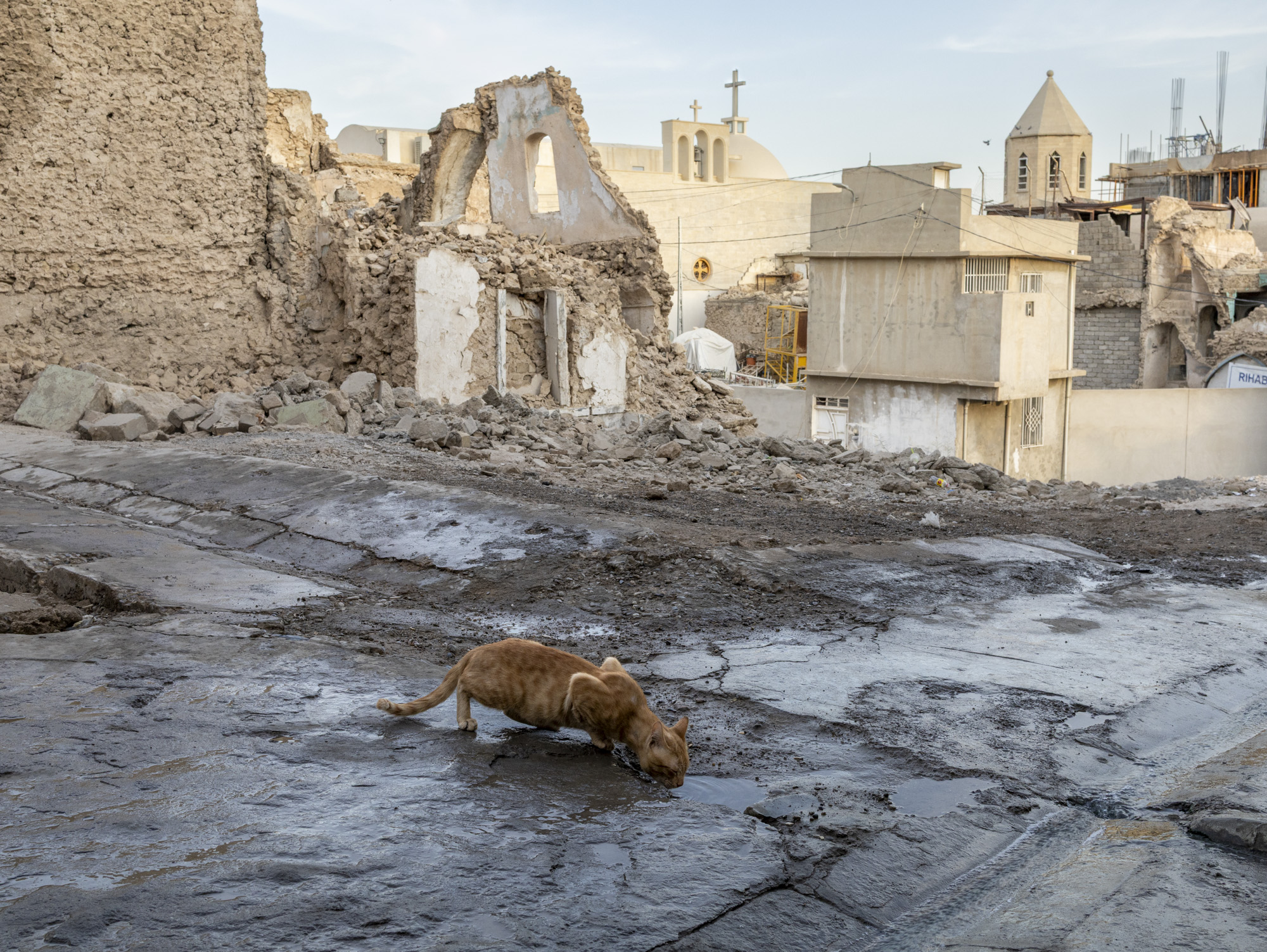
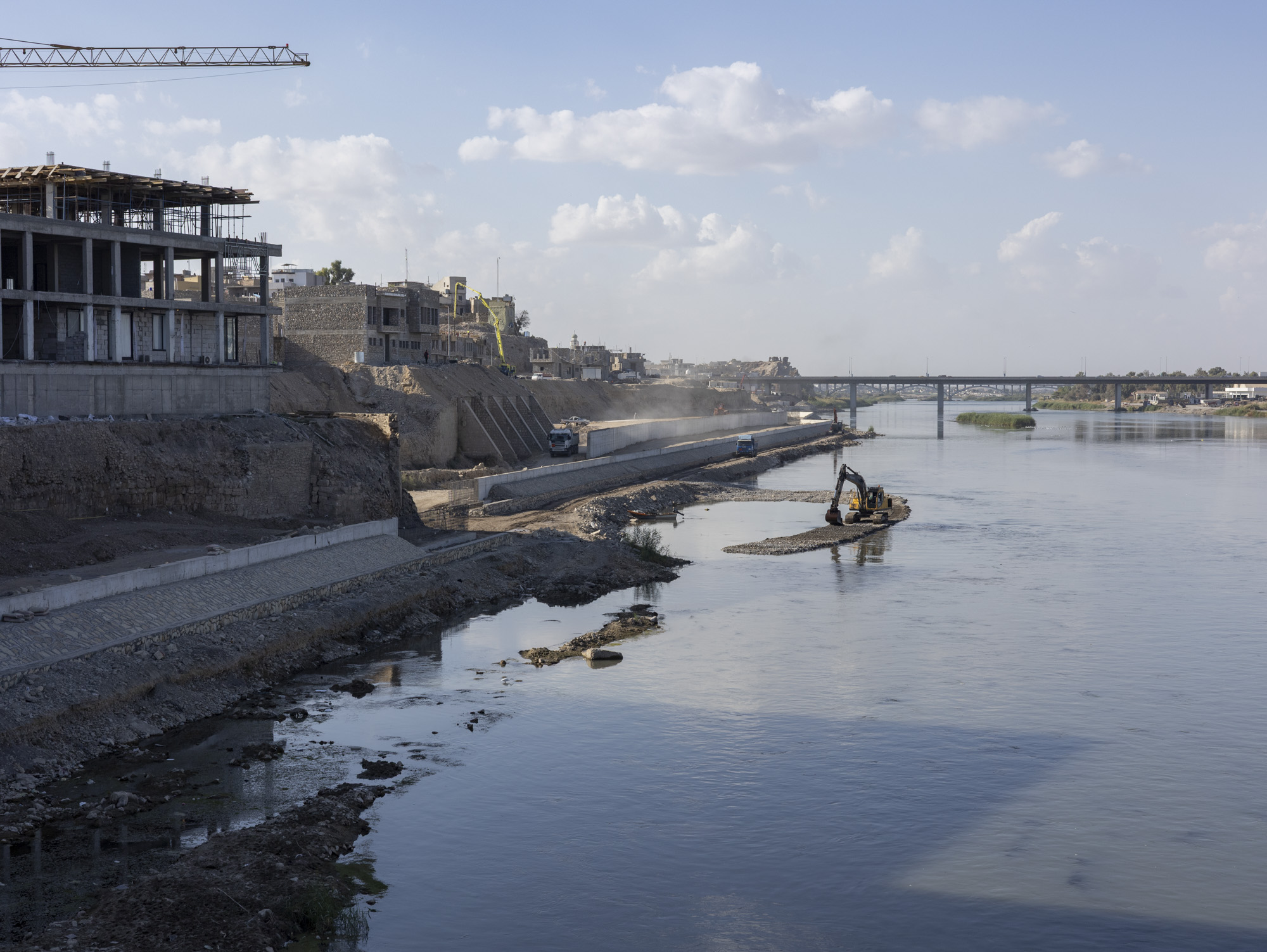
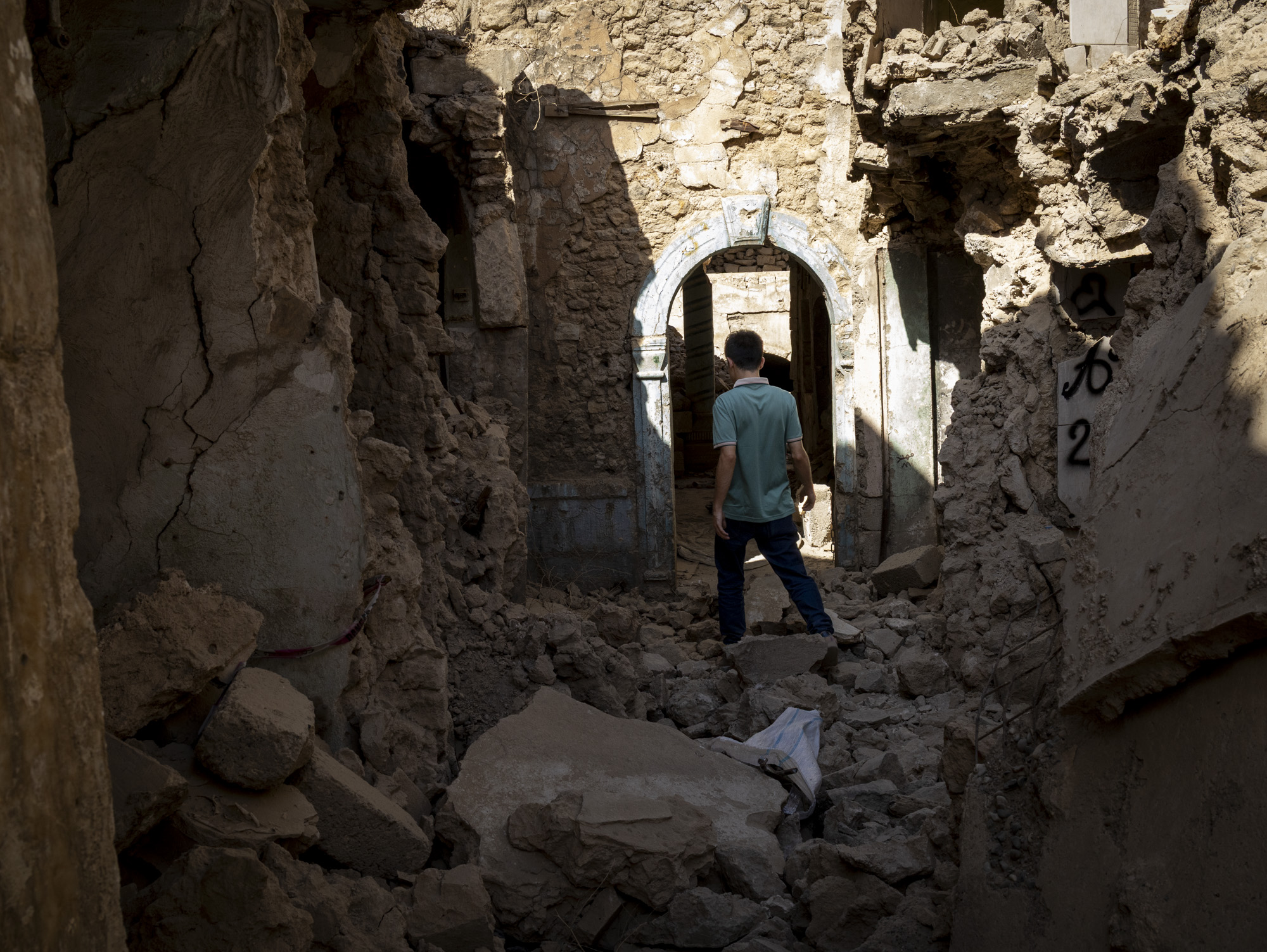
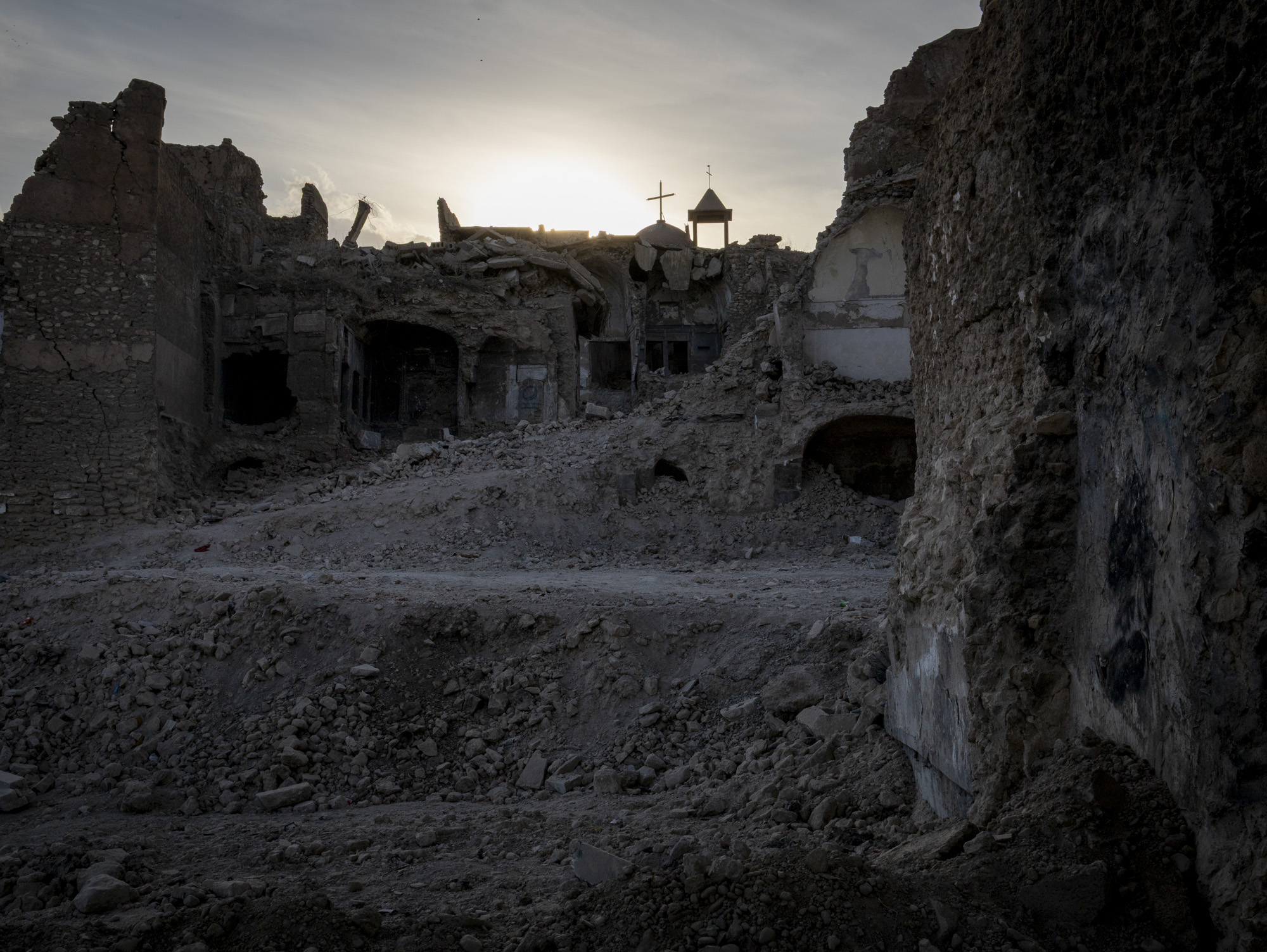
From the impact of a bomb reverberates the echo of hammer blows. Shattered stones lie slumped one on top of the other, sleeping alongside the bricks of a new building under construction.
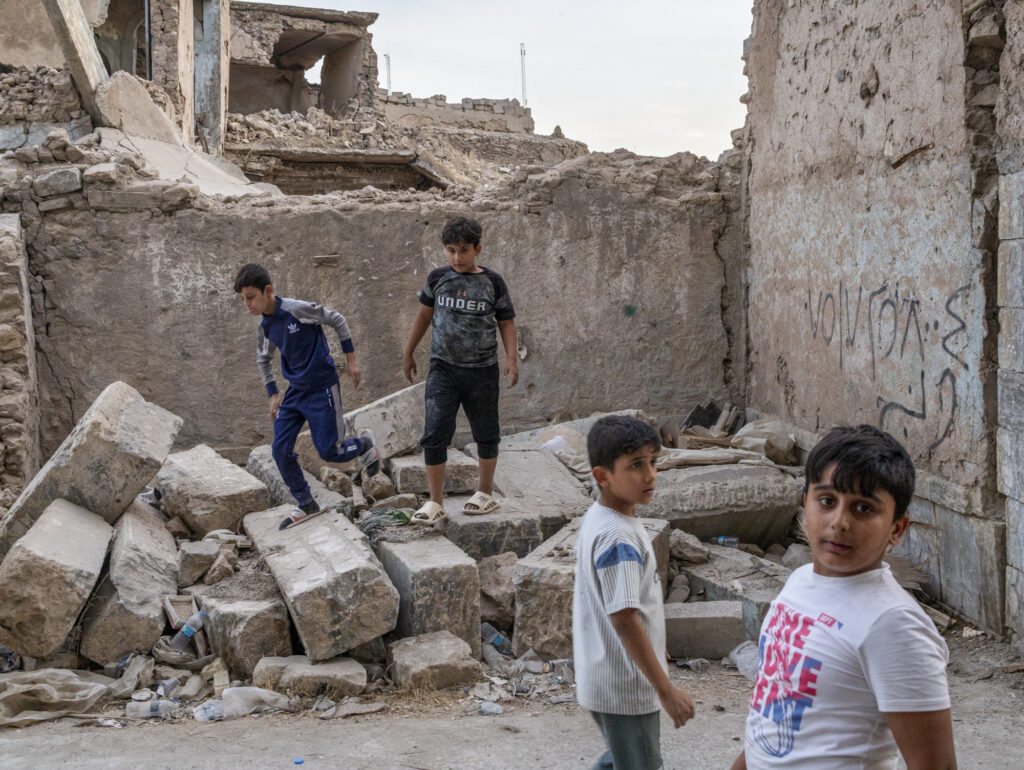
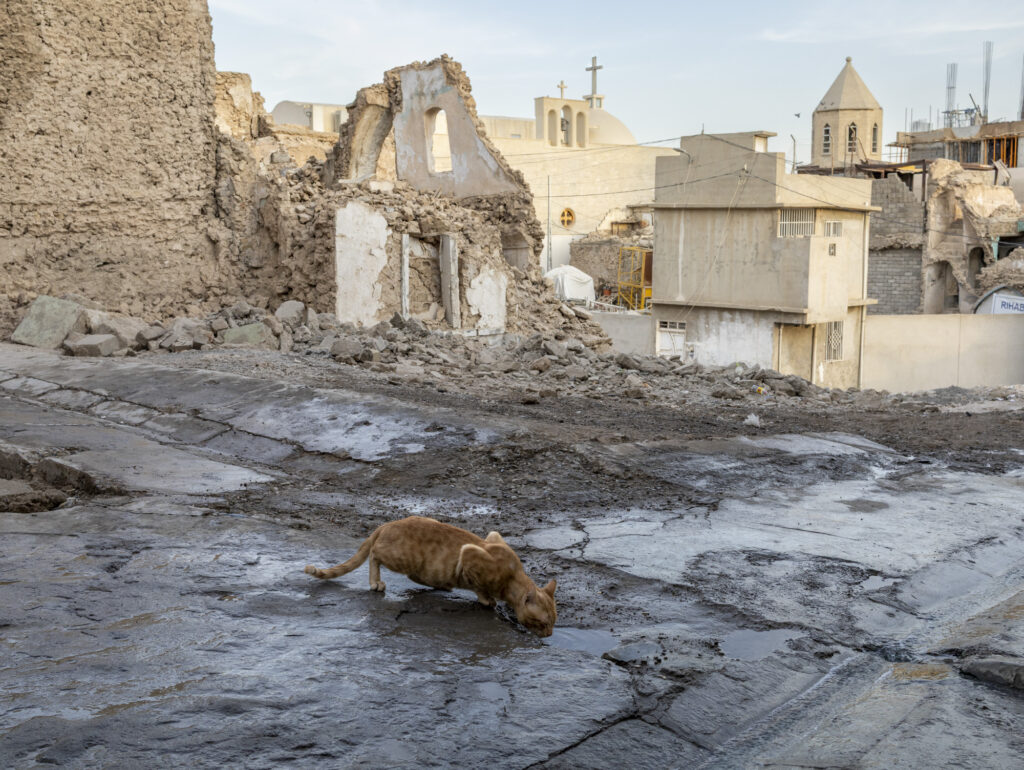
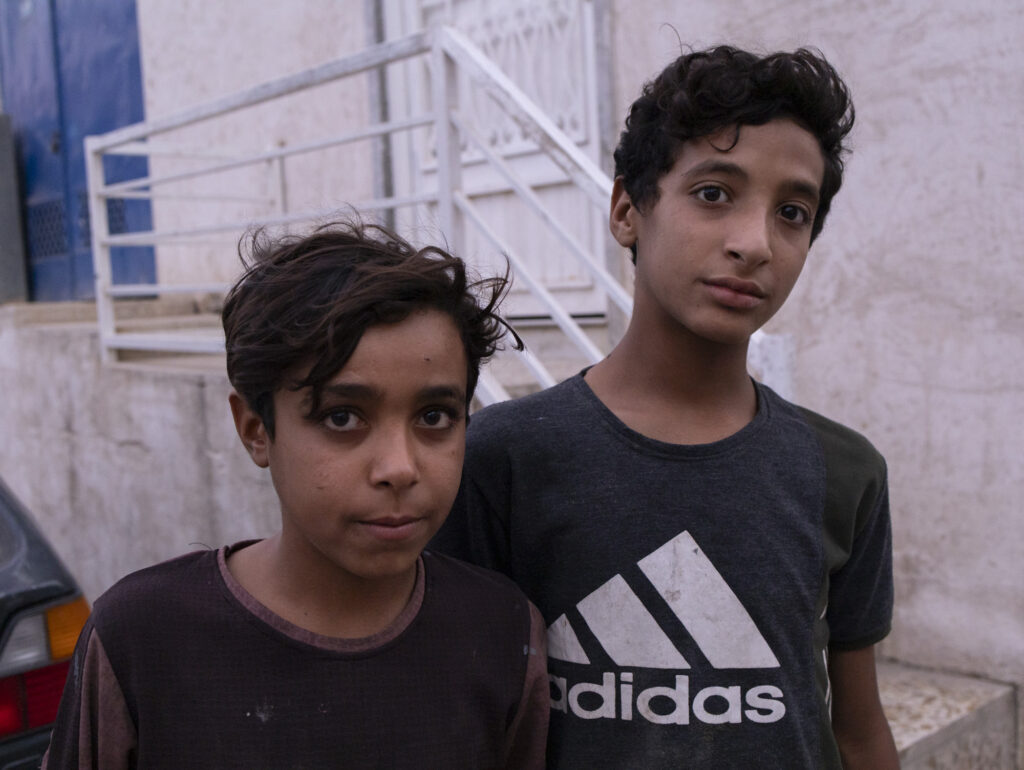
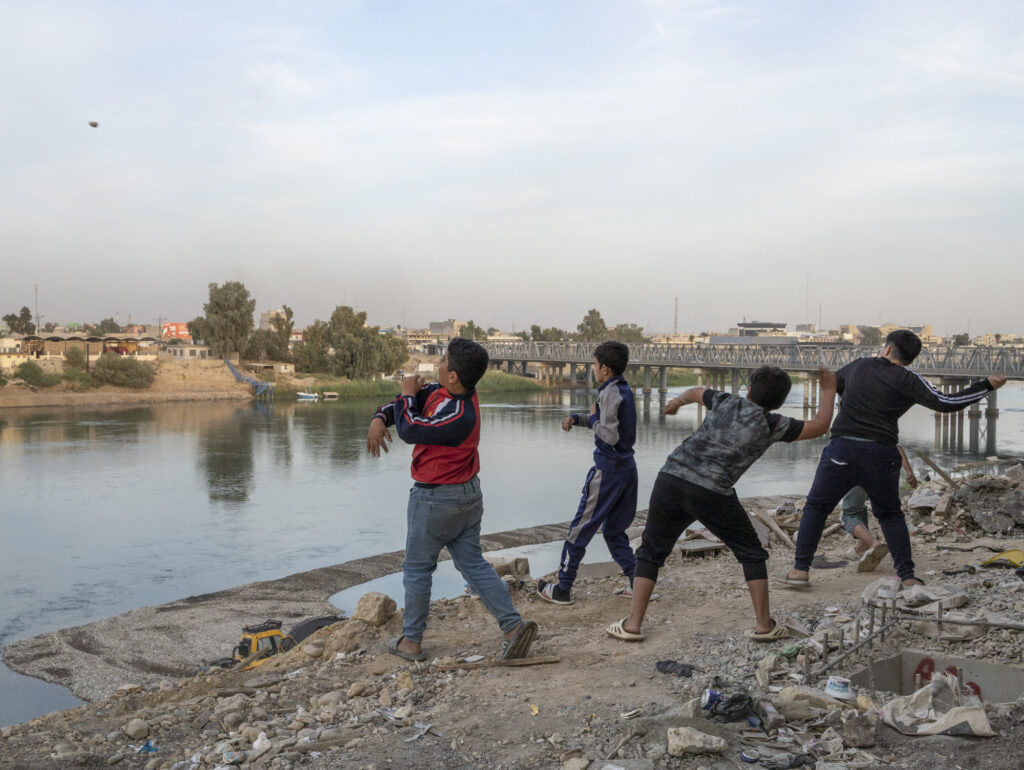
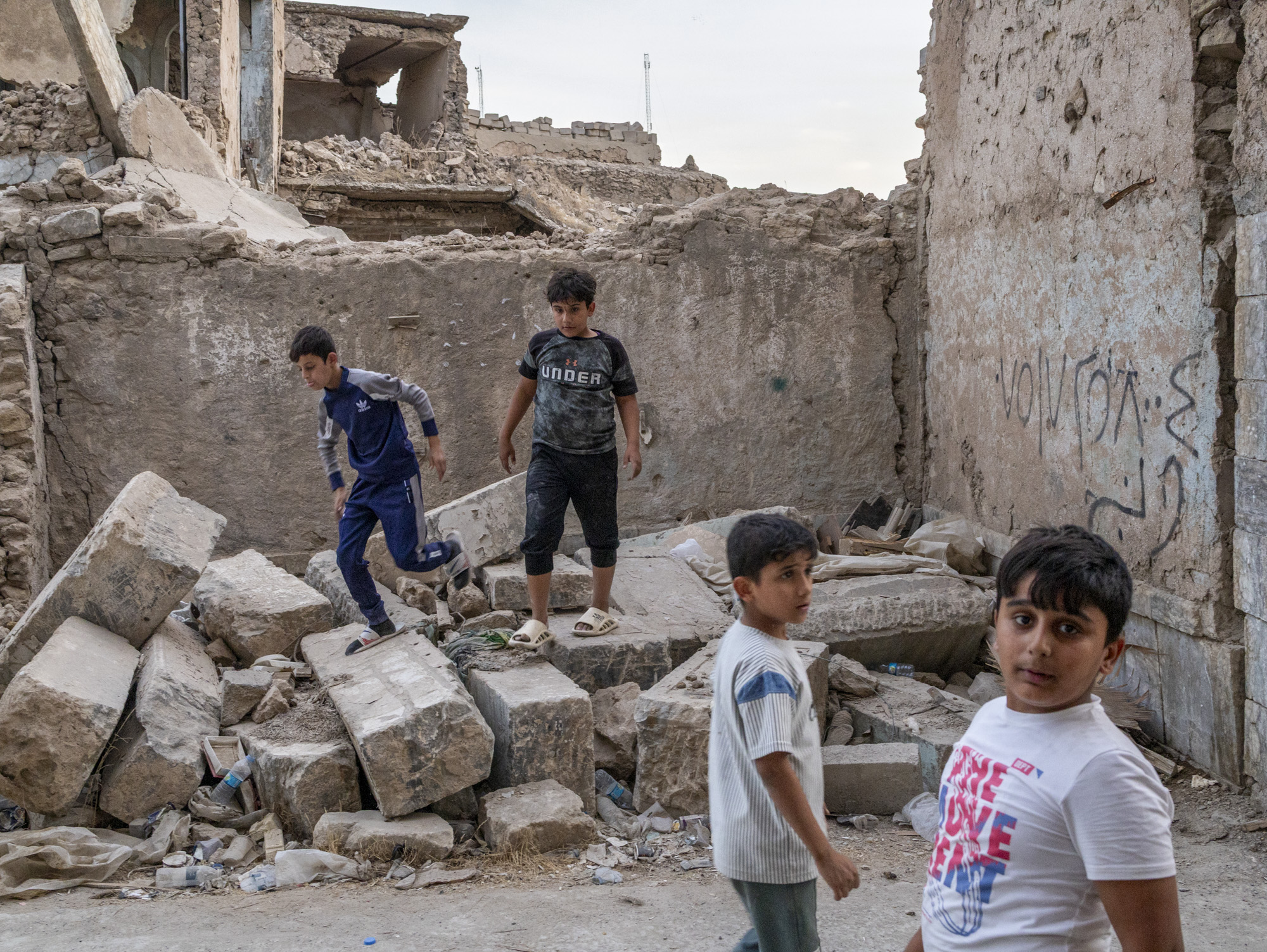
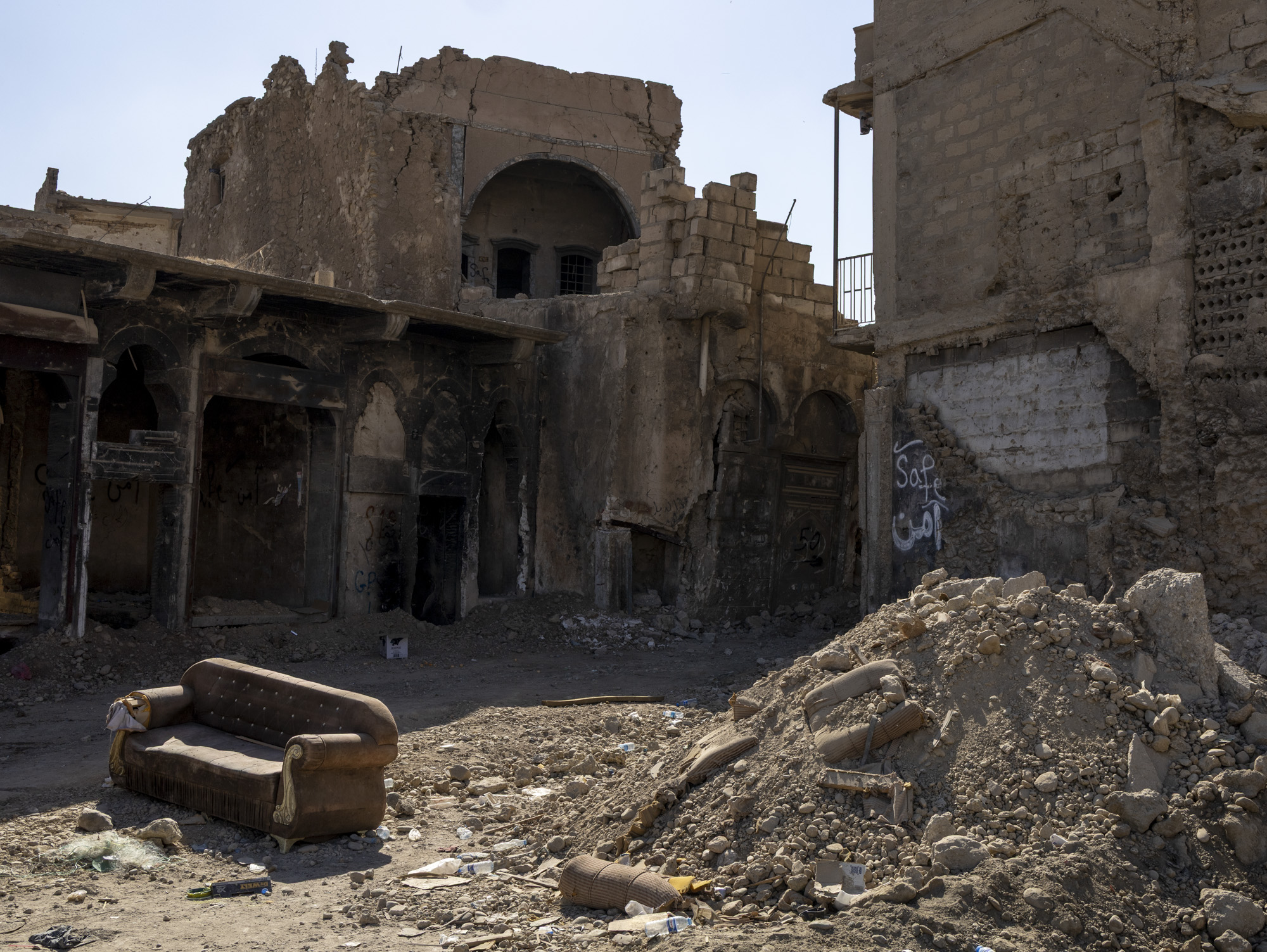
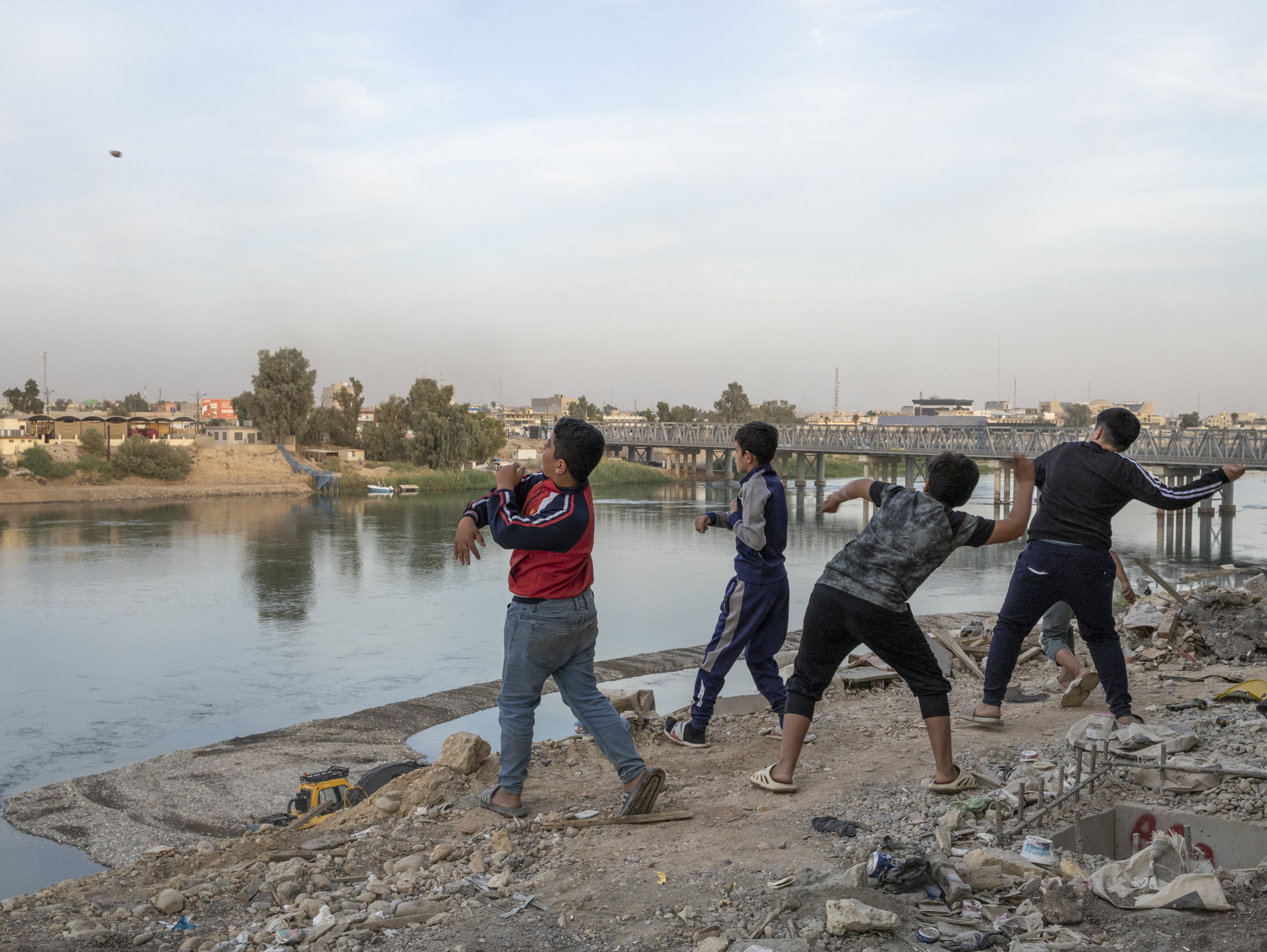
In the afternoon, a group of children wander through the empty streets of the old city, searching for the packs of stray dogs that now reside there. In their hands, they clutch rocks, which, when they don’t cut through the sky and fall into the waters of the Tigris, are destined for the dogs that live among the rubble, almost as if to reclaim those spaces that until a few years ago housed homes and shops and which today can still no longer be considered a memory of the past. They are still open veins, living lacerations of a city that has survived.
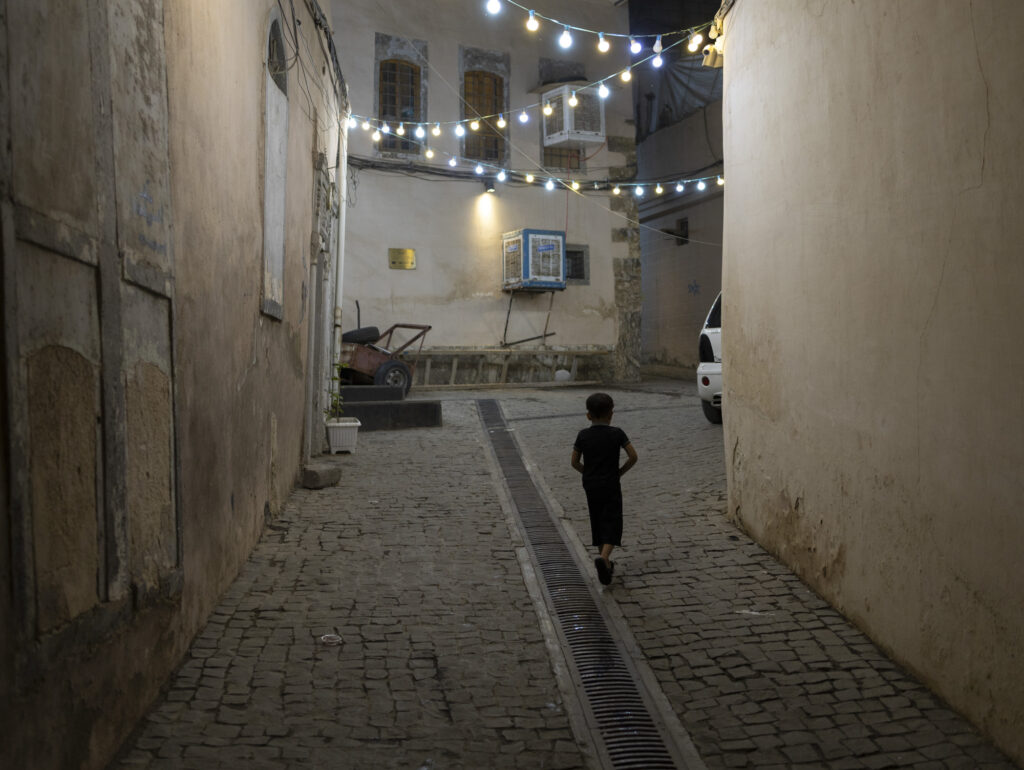
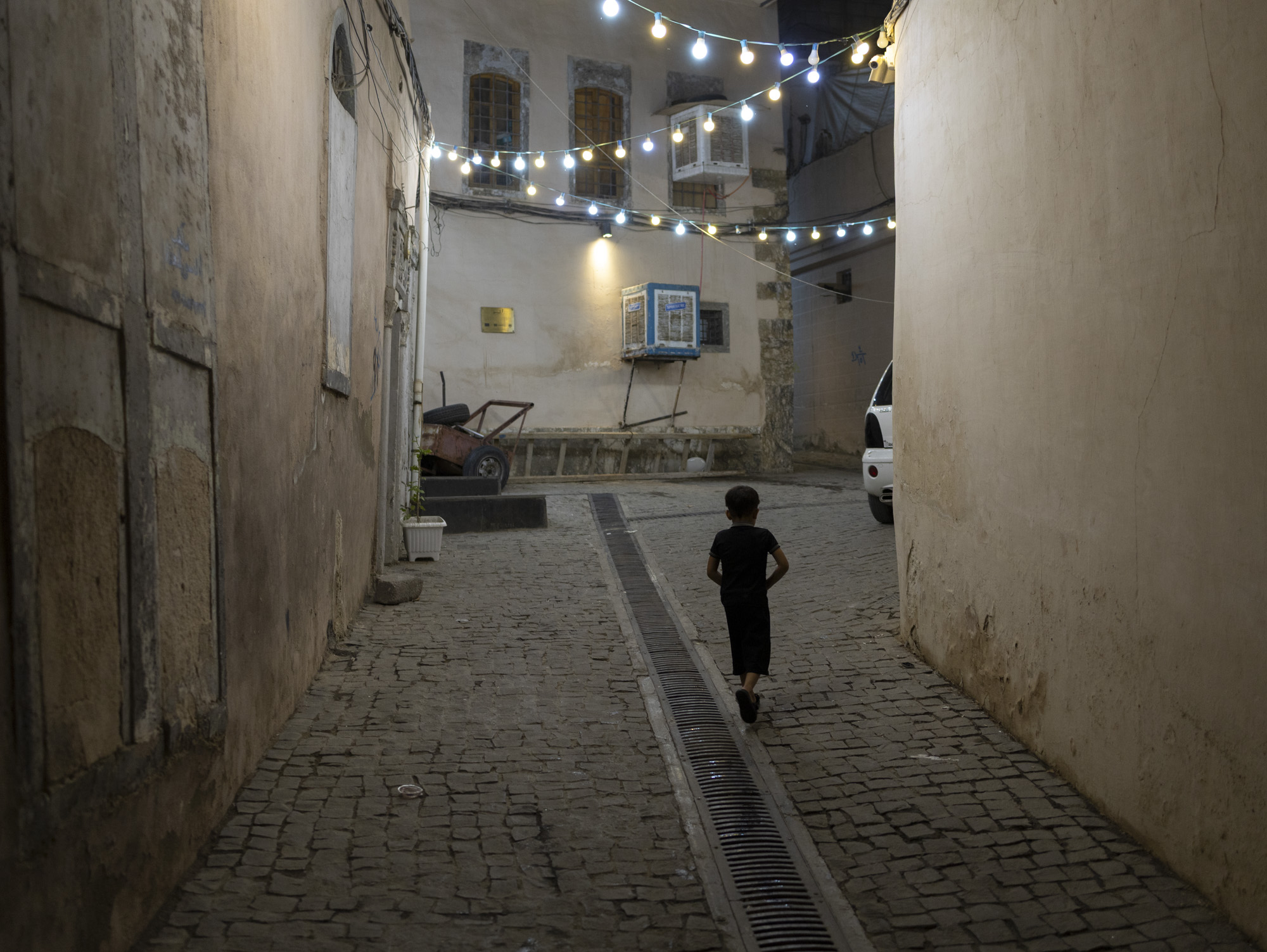
In Mosul, today, you can turn on the lights at night. Eight years after the liberation of the city from the forces of the Islamic State, when you look up at the sky, you no longer have to fear fighter-bombers. During the nearly three years of occupation, a brightly lit house meant a seat of power, a center of militants, a target to be blown up. And so, as soon as the sun set, much of the city disappeared into darkness. The Black Warriors, however, knew how to protect themselves, or at least how to hinder the strategies of enemy forces. Some of the buildings where they stayed were filled with civilians, human shields whose value became difficult to assign: what price in lives would be paid to liberate the city? How many civilian deaths was the death of an Islamic State militant worth?
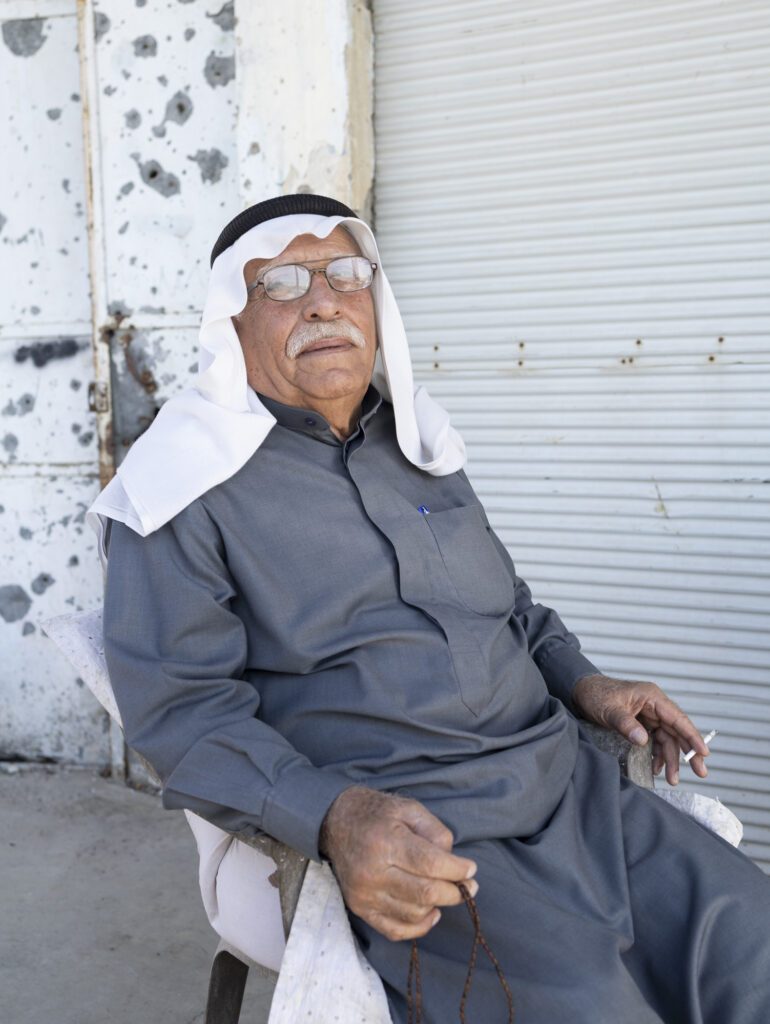
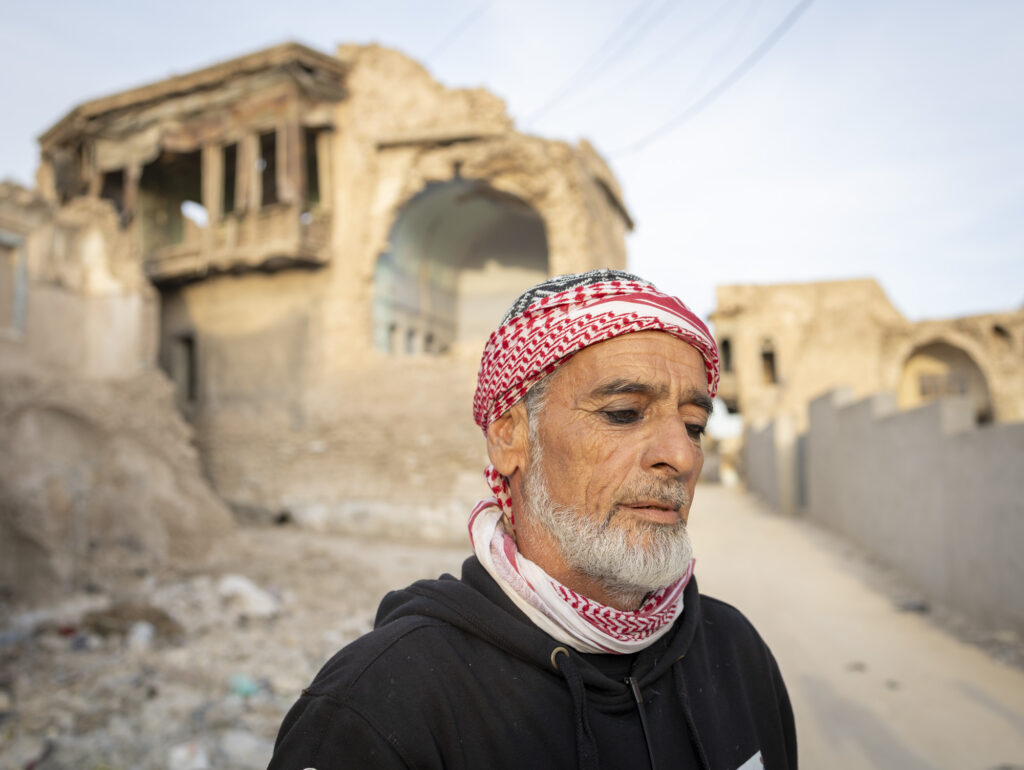
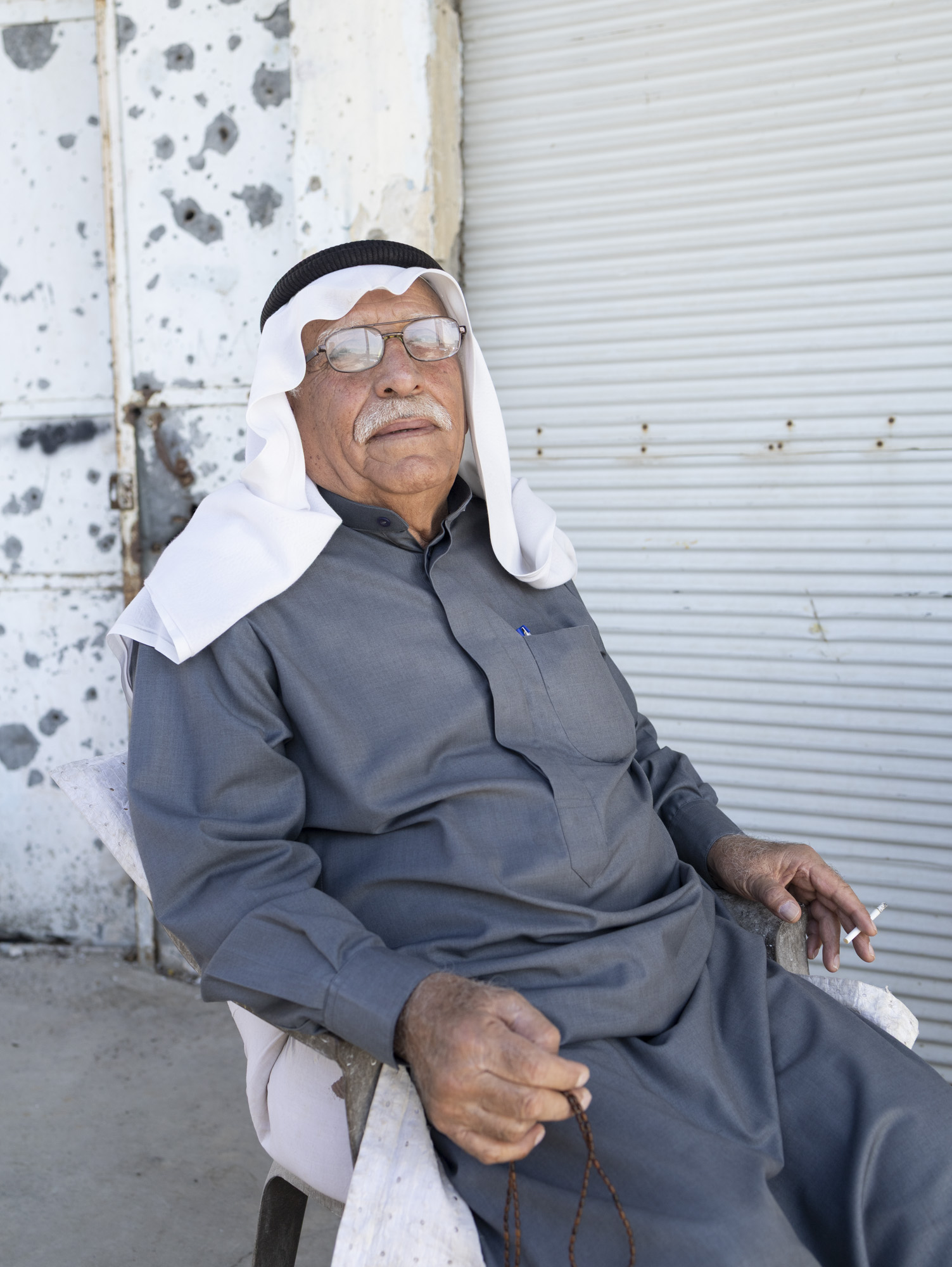
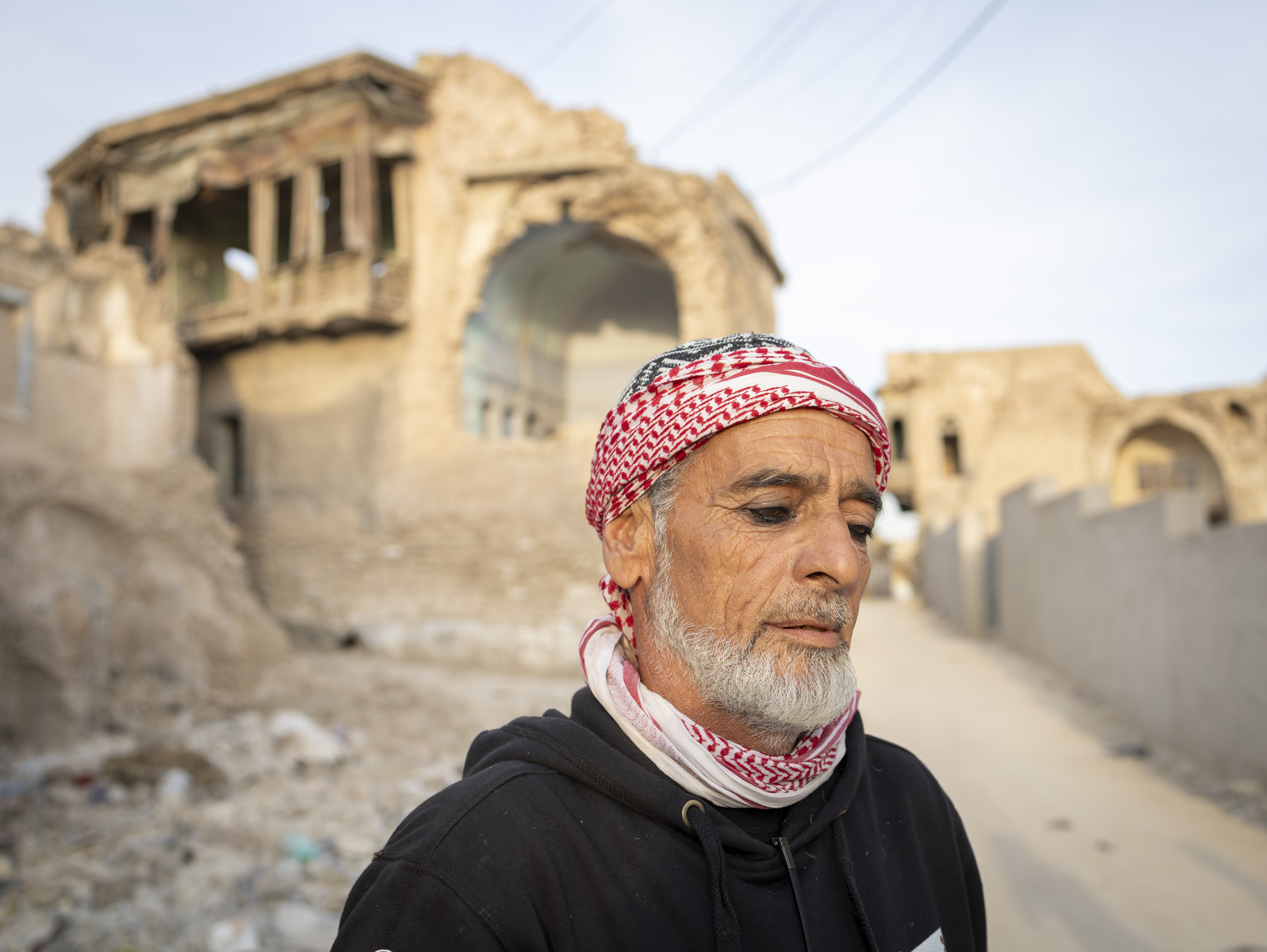
In 2025, the bazaar is more alive than ever. Noor Al Deen, a copper and brass worker, proudly recounts having rebuilt the top of the famous leaning minaret, the symbol of the city, which ISIS had destroyed. Ismail has reopened the small shop where his family has sold honey for three generations. He had been forced to close it, and the bombs had subsequently destroyed it. Shams Al Deen rebuilt an entire building with his own hands and transformed it into a house-museum: he recovered objects that tell the story of his homeland, leaving a legacy of Mosul’s Arab past and culture. Mustafa was a teenager during the occupation. Today he welcomes foreigners who arrive in the city and accompanies them through the streets with a sense of mission: “During those years, I learned English. For two years, I almost never left the house and spent my time watching movies and reading books. Outside, it was too dangerous, even for an Arab. The beard too short, the clothes inappropriate: militants easily found a pretext to arrest people, and from there, it was a short step to execution. We lived in terror.”
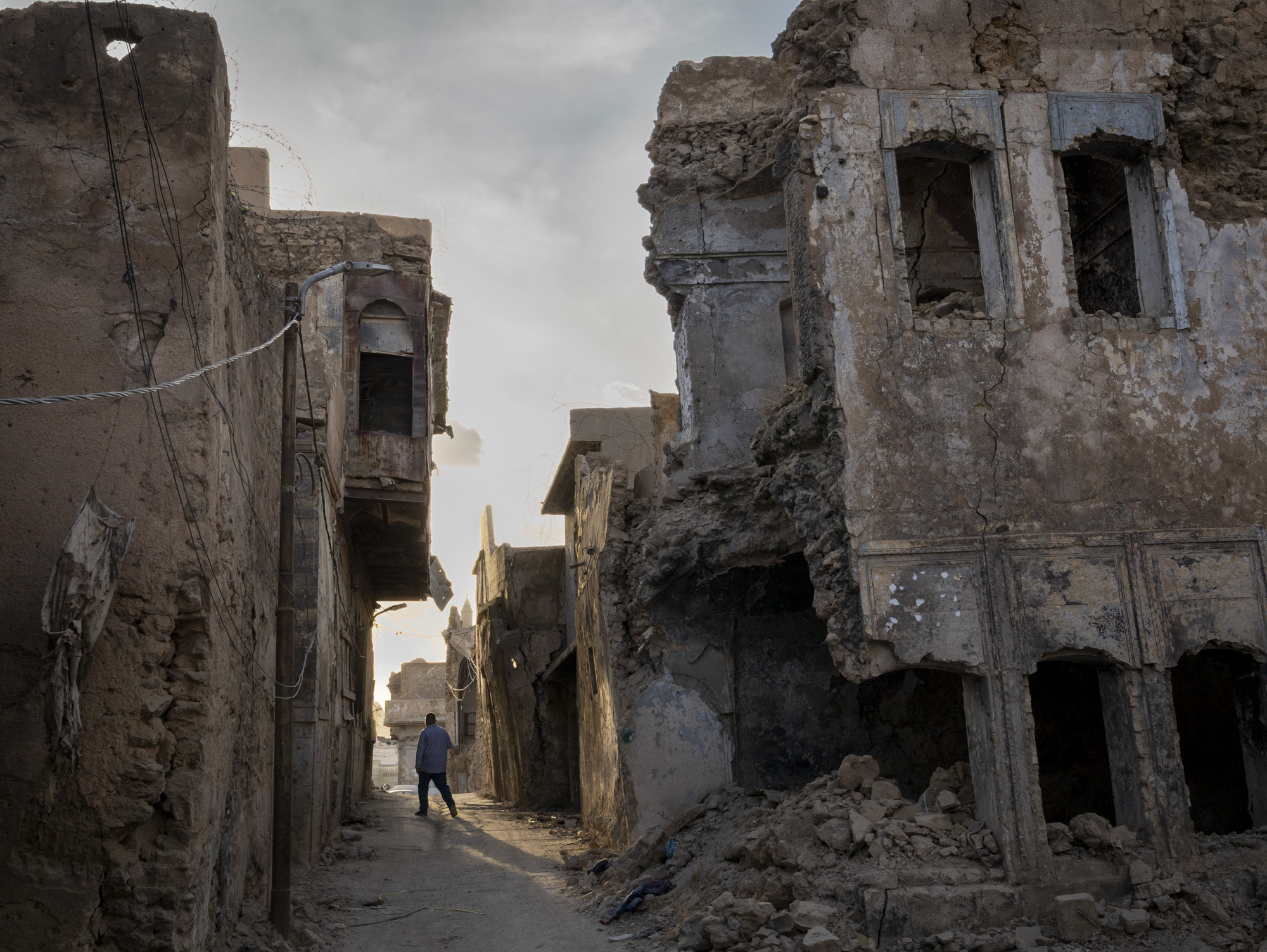
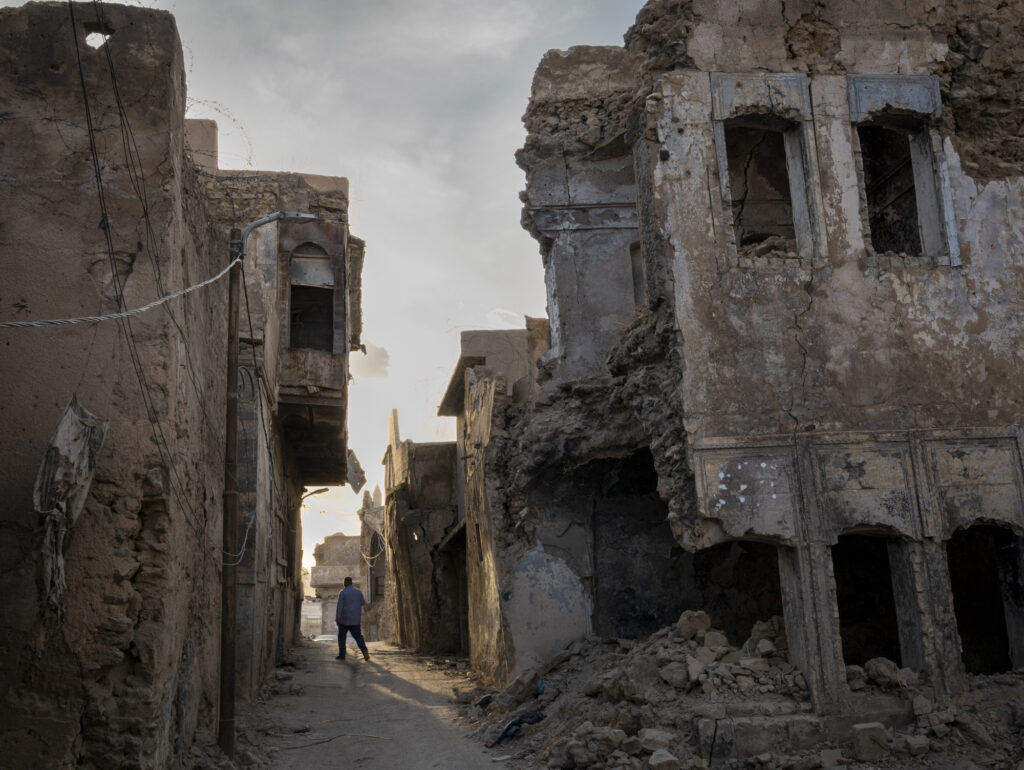
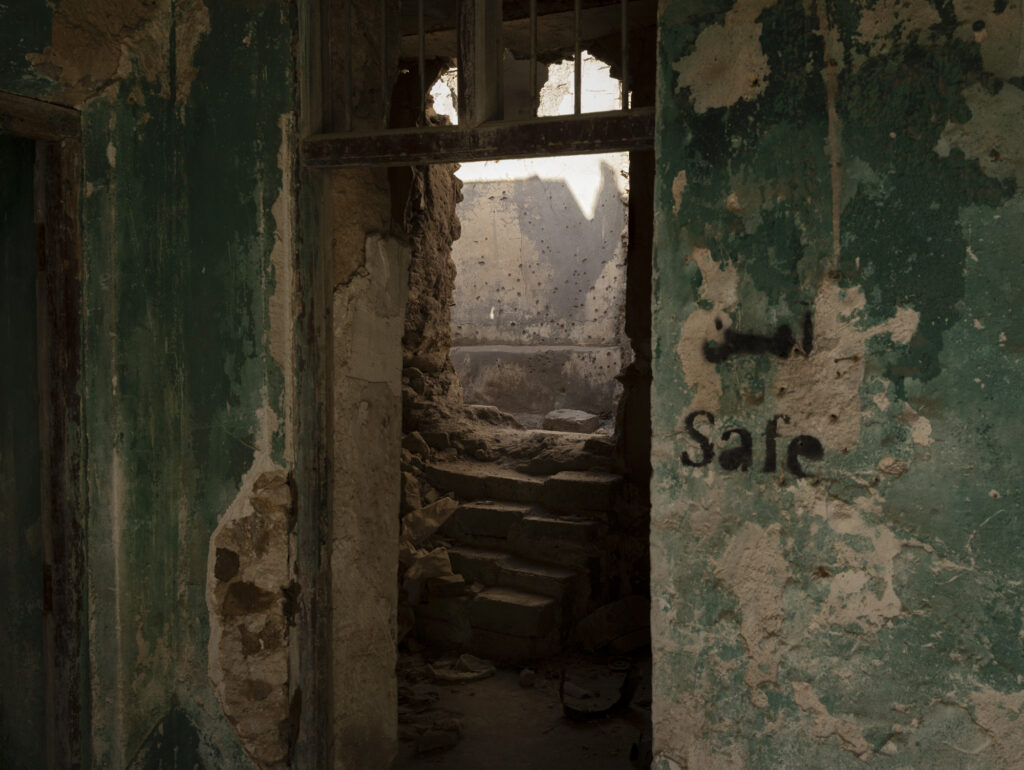
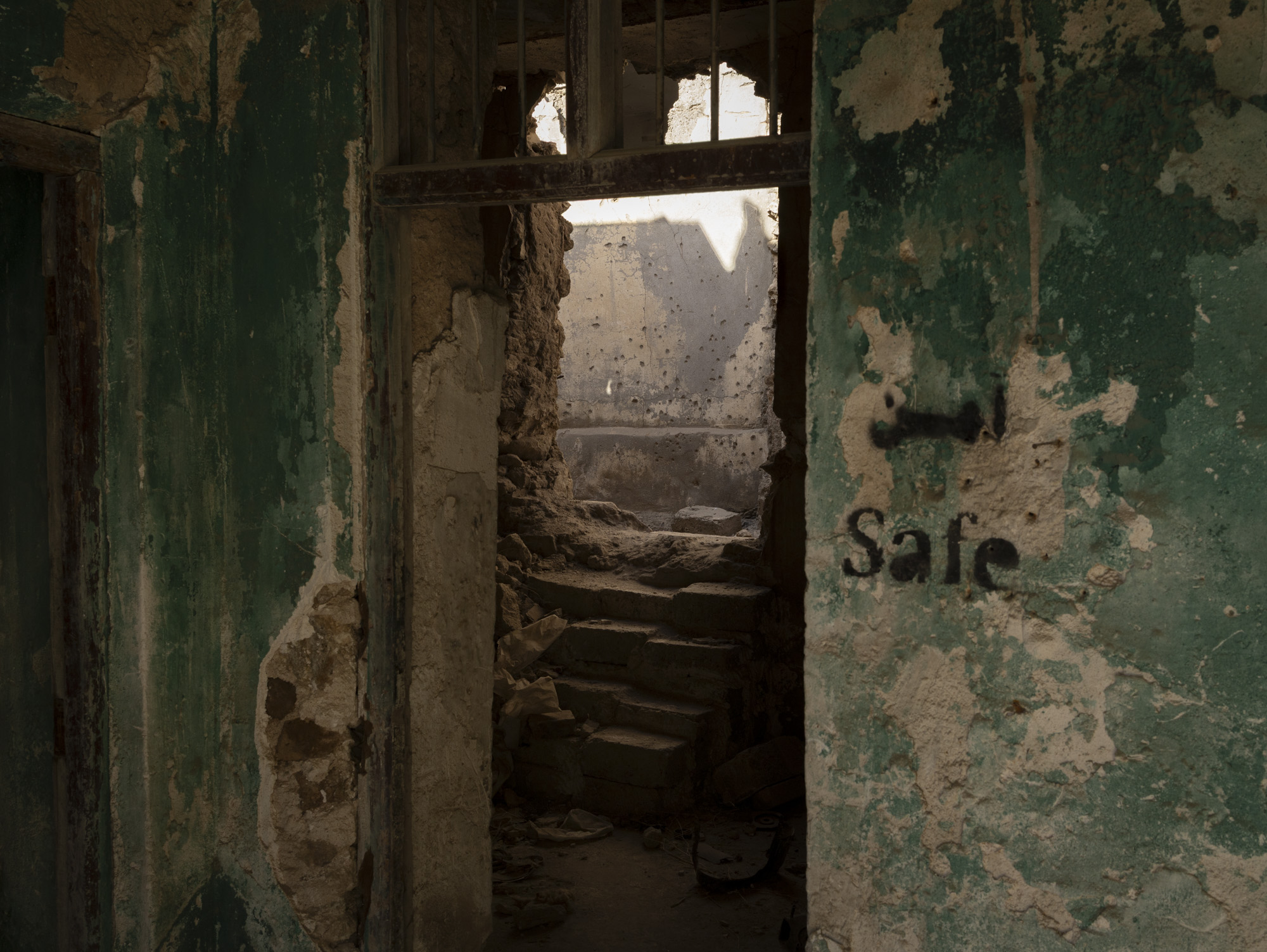
The city streets alternate between new buildings and destroyed ones. Some have come back to life on the ground floor, with shops and cafes, while the upper floors remain consumed by fire, offering glimpses of the life they once hosted. Others, survivors, bear the scars of machine gun and mortar fire. In some areas, unexploded mines remain, marked by signs warning against trespassing. The shadows of cranes are a frequent pattern on the asphalt.
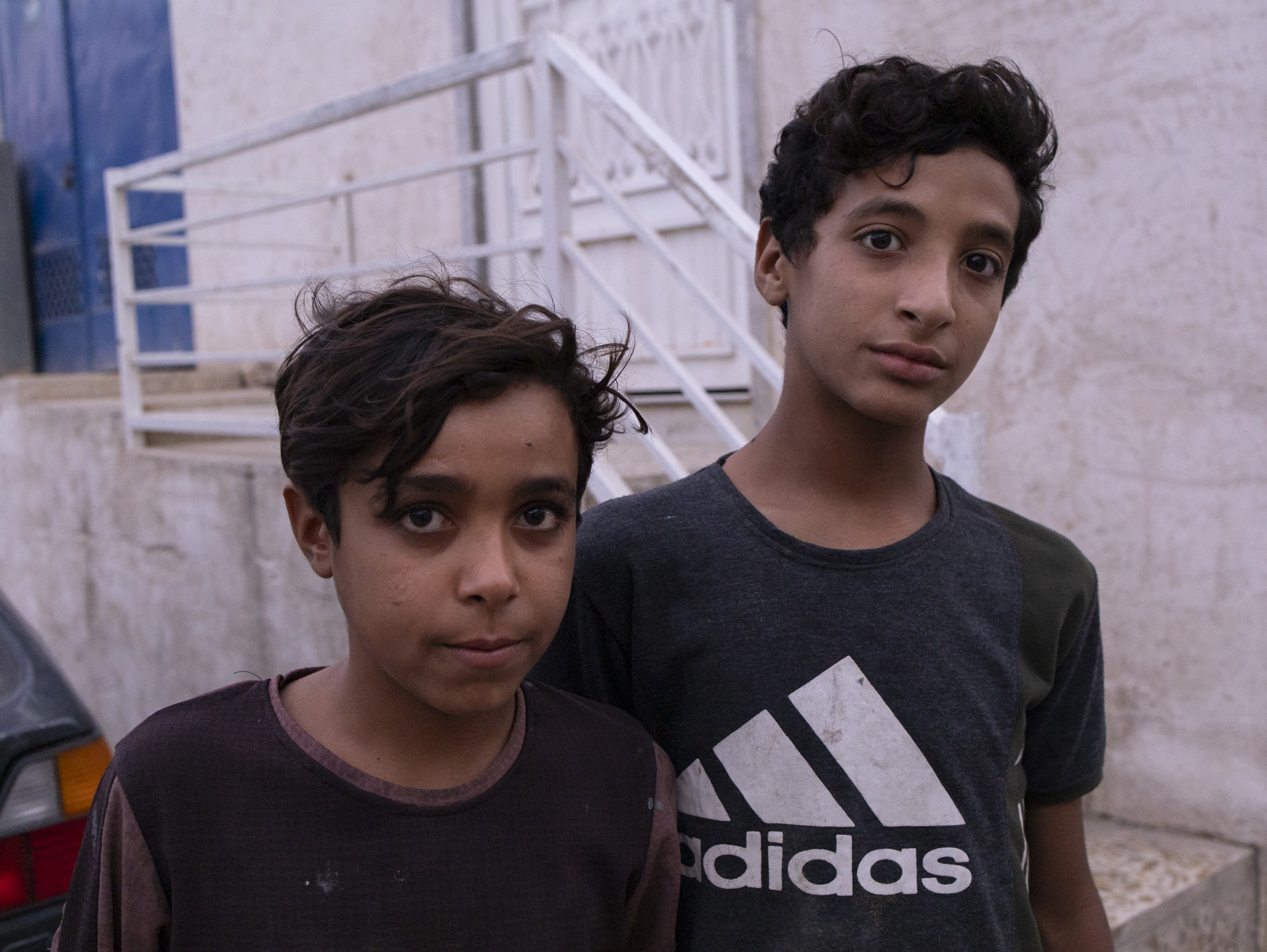
In the streets, people have lively expressions and open arms, ready to welcome the few foreigners who are beginning to venture out to learn about their history. The welcomes are warm, the hospitality gently erases fears, teaching that the most important history to be written is today’s.
Inevitably, the past reverberates blackly in the soul of the city and its inhabitants, like a dream from which one has only recently awakened and has not yet digested. But one thing is clear: in Mosul, no one wants to turn off the lights anymore.